







Nationwide Ground Stop Causes Flight Disruptions for Over Four Hours
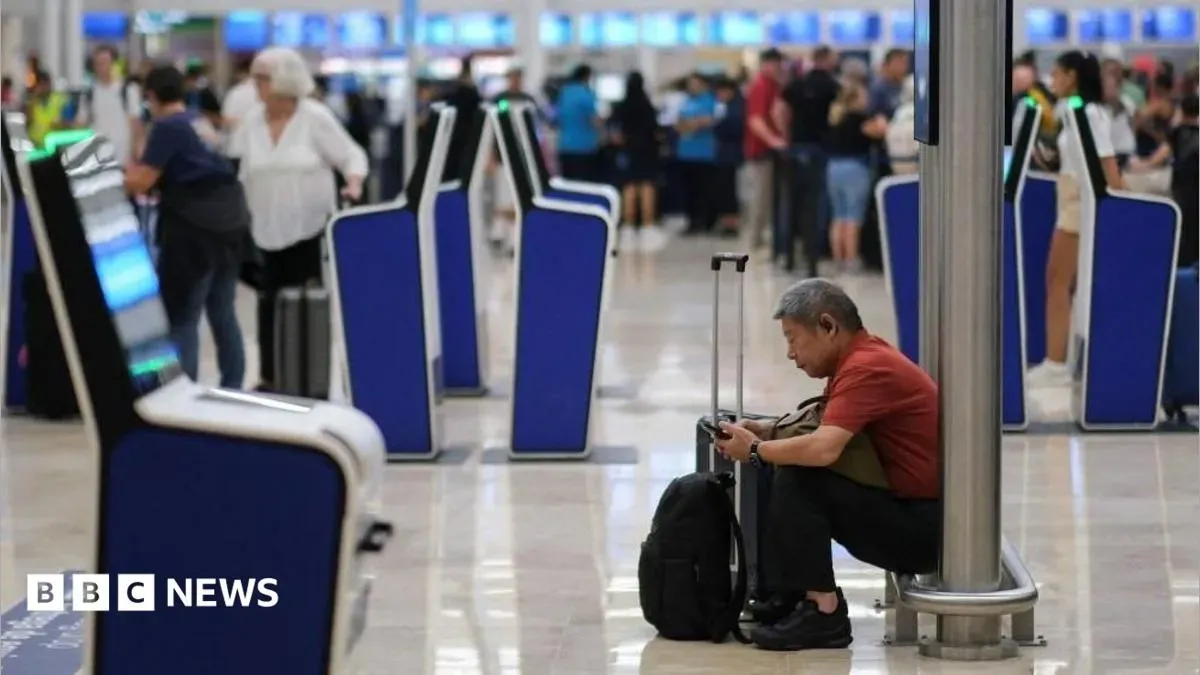
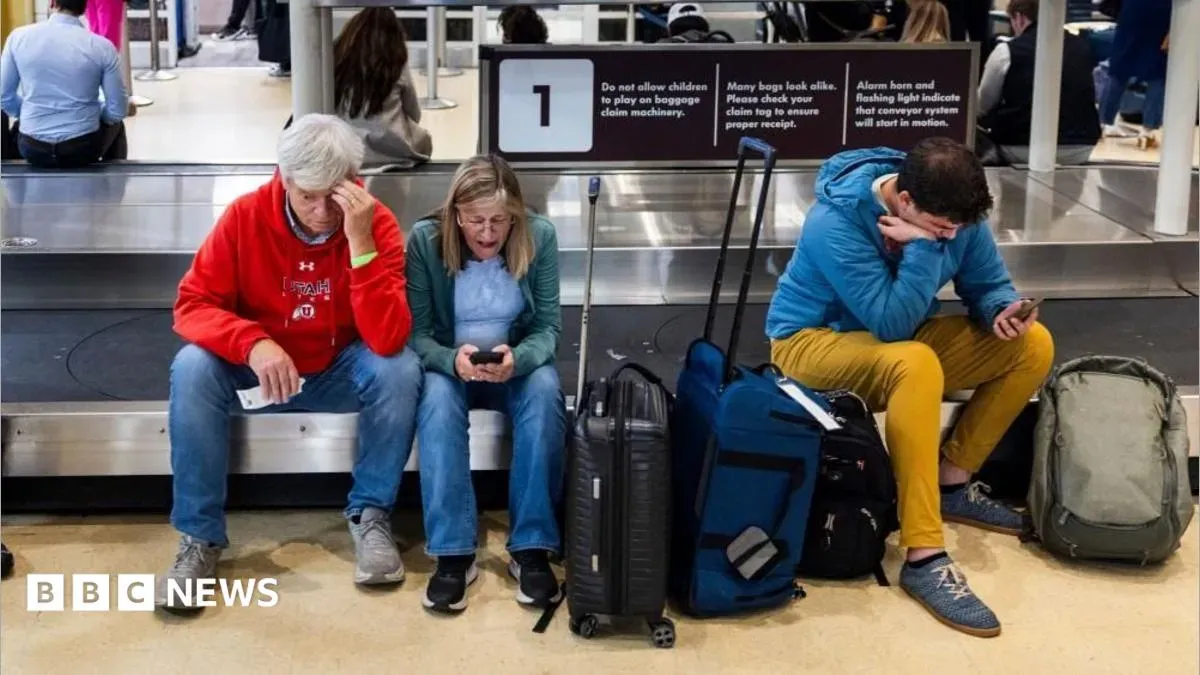
More than 1 million passengers were affected, resulting in over 12,000 canceled flights.
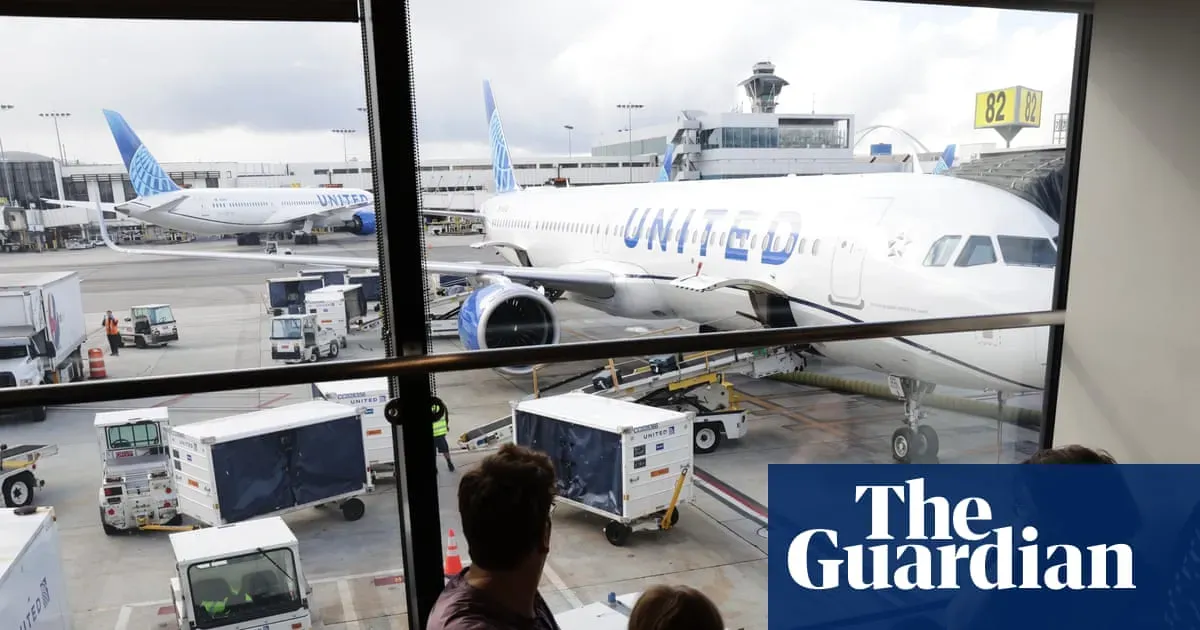
The US Federal Aviation Administration (FAA) is expected to reveal the root cause behind the nationwide ground stop that brought flight departures to a standstill for over four hours on November 13. The incident had far-reaching consequences, affecting more than 1 million passengers and resulting in the cancellation of over 12,000 flights.
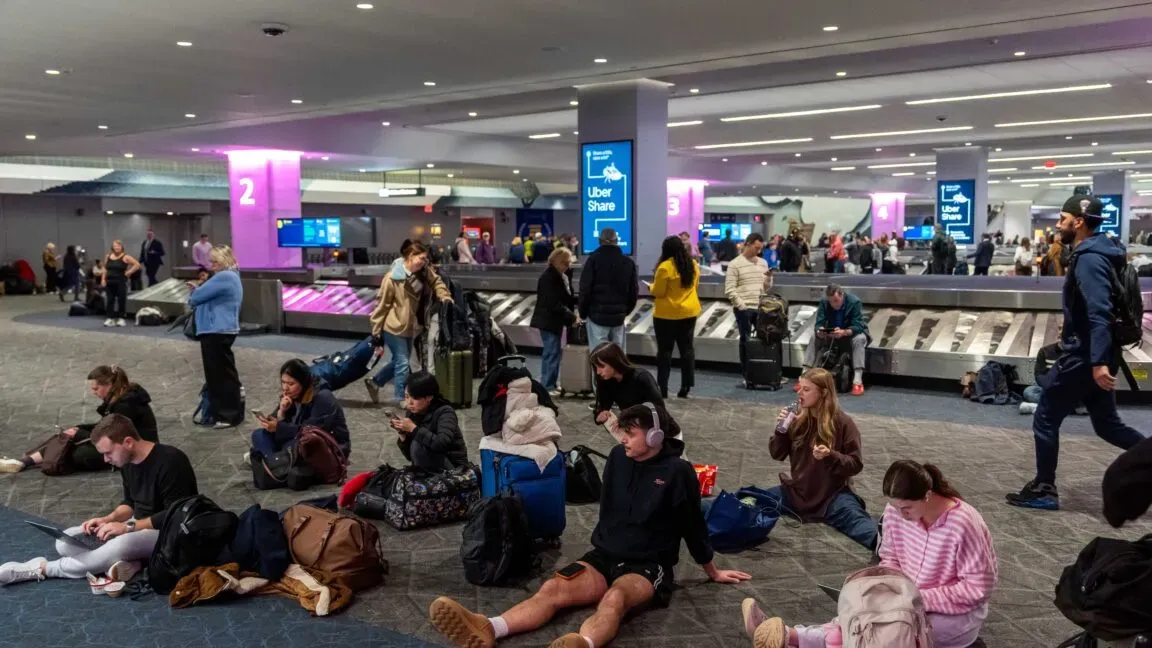
Flight disruptions continued into the weekend as stranded travelers sought alternative accommodations or transportation, with the number of canceled flights rising to over 20,000 by Sunday. Some international flights were allowed to depart before air traffic resumed nationwide.
Investigations are underway, with FAA Administrator Bryan Bedford stating that officials are "very close to determining the root cause of the incident. Transportation Secretary Sean Duffy is set to announce the findings at a news conference as soon as November 20.
The nationwide ground stop was preceded by technical issues in the FAA's Telecommunications Infrastructure (FTI) network, which experienced an influx of connection attempts reaching 1,000 every four to five seconds.
This surge in data led to instability with aircraft communications and radar feeds at 17 out of 22 Air Route Traffic Control Centers, as well as several Terminal Radar Approach Control facilities. These centers are responsible for guiding aircraft both on approach and departure from airports across the country.
An investigation into the incident has identified a radar site in Amarillo, Texas, and a radio communications site in El Dorado, Arkansas, as key factors contributing to the excessive data flooding the systems. L3Harris, the FAA's network service provider, was installing a new router at the El Dorado site when the incident occurred.
The recent installation of a similar router in Texas has raised questions about whether adequate risk assessments and agency oversight are being conducted on private contractors involved in modernizing the national airspace system.
The recent incident at El Dorado has raised questions about the upgrade process of Juniper Networks routers by L3Harris contractors.
FAA employees typically conduct risk assessments and coordinate with contractors on system maintenance or upgrades, but in this case, it seems that direct oversight was lacking.
According to the Professional Aviation Safety Specialists union, none of its FAA technicians were involved in the upgrades that led to the ground stop, suggesting a lack of coordination between agency personnel and contractors.
The router replacement at the remote radio communications site in El Dorado was done by an L3Harris engineer without direct FAA oversight, CNN reported. An FAA technician merely escorted the contractor into the facility but did not supervise the work being done.
This lack of supervision raises concerns about the adequacy of risk assessments and agency oversight on private contractors involved in modernizing national airspaces.
Philip Mann, a principal consultant at Vector Strategic Consulting LLC, offered his insights on the potential contributing factors behind the nationwide ground stop. As someone who has worked extensively with the FAA, Mann has a unique perspective on how upgrades are supposed to work.
Mann pointed out that the timing of the work being done was a crucial factor in understanding what might have gone wrong. His extensive experience as a technician and instructor at the FAA Academy gave him valuable insight into the processes involved.
To improve safety and prevent similar incidents, Mann suggests that more attention should be paid to the coordination between agency personnel and contractors on system upgrades and maintenance.
The FAA's nationwide ground stop has raised questions about the agency's approach to system upgrades and maintenance. One area of concern is the coordination between agency personnel and contractors on these projects. According to experts, this is a critical aspect that requires careful planning and attention.
In contrast to top-down command-control approaches, many FAA technicians work at the field level, where they must cultivate a sense of responsibility for potential risks. They are encouraged to think critically about the worst-case scenario and take maximum mitigations to prevent accidents.
The nationwide ground stop was unprecedented in its scale, affecting a vast network of air traffic control centers across the country. As such, the potential blast radius was at its largest, necessitating extreme caution and preventive measures. This meant that multiple layers of protection were put in place to minimize disruptions.
In smaller-scale projects, FAA technicians often work on individual components or systems, such as approach lighting or electronic equipment. In these cases, the impact is typically localized, affecting only a specific runway or area. However, even in these situations, careful planning and coordination are essential to ensure smooth operations.
The scale of the recent incident highlights the importance of regional and national coordination in system maintenance and upgrades. This involves considering the potential consequences of an accident and taking steps to mitigate risks. In this case, working at night with reduced air traffic was a crucial factor in minimizing disruptions.
Critics argue that the FAA's approach to risk management has been misguided, with a misplaced emphasis on physical location rather than network reach. This oversight led to a failure to appreciate the system's potential impact on national airspace.
The FAA's air route traffic control centers play a critical role in managing air traffic across the country. The recent incident highlights the importance of these facilities and the need for robust systems that can handle high volumes of data and communication.
In the aftermath of the nationwide ground stop, experts are calling for a more nuanced approach to system maintenance and upgrades. This includes greater emphasis on coordination between agency personnel and contractors, as well as a deeper understanding of the potential risks and consequences of an accident.
The apparent lack of basic safety protocols in the FAA's recent nationwide ground stop is striking.
A fundamental aspect of any technical work involves analyzing potential impacts and managing risks, but it appears that these essential steps were completely overlooked.
In some industries, there's a common rule that prohibits making changes on Fridays to avoid having to deal with unexpected issues over the weekend. This practice acknowledges that mistakes made late in the week can lead to inconvenient fixes on weekends.
This mindset was not evident in the recent FAA incident, where it seems that basic safety precautions were disregarded.
L3Harris, the company responsible for the system malfunction, should be aware of the importance of thorough risk assessment and impact analysis. They have a history of making mistakes, including a notable network outage in 2009 caused by a technician's error.
In that incident, a small team initially identified only two dozen potential areas of impact, but it ultimately turned out to be six times as many. This experience should have taught them the importance of being more thorough and accurate in their work.
When contractors are involved in technical work, there is often an FAA representative who serves as the primary point of contact, responsible for coordinating with airport authorities and ensuring that all necessary steps are taken.
This includes tasks such as clearing contractors to access restricted areas, scheduling their work, and physically performing certain actions like flipping switches to activate critical systems.
The FAA's protocols for maintenance and upgrades of critical systems are being scrutinized in the wake of the nationwide ground stop. Historically, contractors have worked under a protocol where FAA employees conduct risk assessments and coordinate the maintenance process.
A statement from the Professional Aviation Safety Specialists union representing FAA technicians highlights this point. According to the union, PASS-represented technicians were not involved in the upgrades on contractor-owned and maintained routers that led to the ground stop.
The union's emphasis on qualified personnel raises questions about who exactly is qualified for such tasks. In some cases, a person may have completed specific training or certification programs, but this is not always the case.
In one instance, the FAA had only sent a handful of employees through expensive and lengthy vendor schools. These individuals were then deployed to various projects as the definition of a qualified person.
The union's push for clarity on what it means to be qualified highlights the importance of having the right personnel in place, especially when dealing with complex systems that span multiple locations.
It is unclear whether the FAA had an employee on site who was qualified to work on the affected routers. The individual may have had administrative clearance but lacked relevant technical expertise.
The absence of a clear definition for qualified person" has led to confusion and inconsistencies in the past. This case serves as a reminder of the need for standardization and clarity in this area.
The FAA's protocols are subject to review and revision, and it remains to be seen how these incidents will impact future procedures. In the meantime, concerns about qualified personnel continue to dominate the conversation.
The union's efforts to define what it means to be qualified are likely to have far-reaching implications for the industry as a whole.
The union's leadership, comprised entirely of former technicians and engineers, is uniquely positioned to identify potential blind spots in the industry.
Their understanding of the technical aspects of air traffic control systems allows them to recognize when management and contractors may be overlooking critical issues.
According to Duffy, the FAA leadership mistakenly believed that the remote location of the site was a network issue rather than a physical one. This misjudgment had significant consequences for the safety of air travel.
The acknowledgment by the FAA leadership that they underestimated the potential blast radius highlights the importance of understanding the complexities of their own systems and networks.
Facts based on reporting originally published by Ars Technica.
You may republish this story, in full or in part, if you credit Noti Group and link to it (licence CC BY 4.0). Photos are not included.