





Kevin Roose Launches New Podcast Machine Gods
Kevin Roose, a prominent journalist and author, has launched a new podcast called Machine Gods, which explores the rapidly evolving field of artificial general intelligence (AGI).
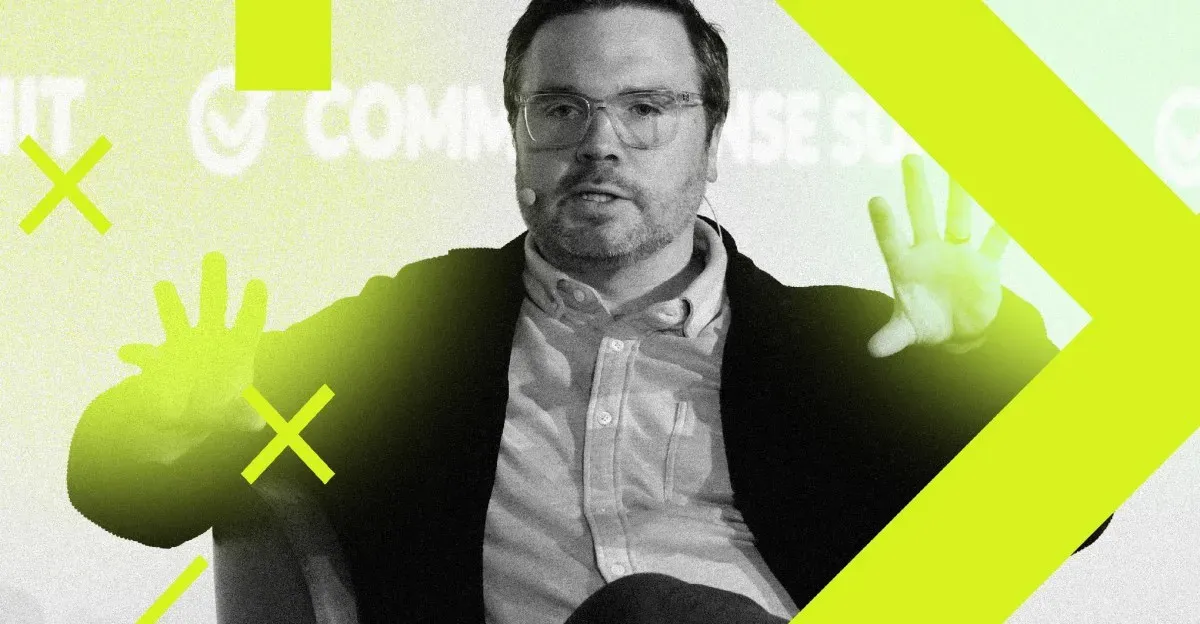
Kevin Roose is known to many as a prominent journalist and author who has recently left his position at The New York Times to start anew in the tech world. His latest venture involves co-founding and co-hosting a podcast called Machine Gods, which launched last week. This exciting development marks a significant change for Roose, who previously hosted the popular podcast Hard Fork while working as a reporter for The New York Times.
Roose has also been busy writing his new book, The AGI Chronicles, which delves into the rapidly evolving field of artificial general intelligence (AGI). His in-depth research and reporting on this topic have garnered significant attention, making him an expert voice in the industry. As an author and podcaster, Roose is now navigating uncharted territory as he transitions from a traditional media outlet to an independent creator.
The launch of Machine Gods has been met with great enthusiasm, and its first episode sparked an interesting conversation about titles and roles within the company. It was revealed that Roose won a coin flip to determine who would hold the title of CEO, which is necessary for official purposes but also brings a touch of humor to the situation.
As co-founder and co-host of Machine Gods, Roose finds himself in an unusual position as a "CEO on his own show. This irony isn't lost on him, and he humorously acknowledges that it means he'll have to ask himself the tough questions, much like he would with any other guest on Decoder.
Roose's experience as a journalist has given him a unique perspective on the tech industry, which is evident in his writing and podcasting work. His new book, The AGI Chronicles, offers a thought-provoking exploration of the companies racing to develop artificial general intelligence.
As an author and podcaster, Roose is now in the position to share his insights with a wider audience, exploring the complexities and implications of emerging technologies like AGI. His shift from traditional media to independent creation has opened up new opportunities for him to engage with his readers and listeners on a deeper level.
The conversation with Kevin Roose takes a philosophical turn as he reflects on the significance of his work and the potential impact of AGI on society. This thought-provoking discussion offers valuable insights into the minds of those driving innovation in the tech industry.
Roose's journey from The New York Times to Machine Gods has been marked by significant changes, but it also presents a unique opportunity for him to explore new ideas and share his expertise with an engaged audience. As he navigates this new terrain, he remains committed to shedding light on the complexities of emerging technologies and their potential consequences.
The conversation between Roose and Decoder delves into the intricacies of his work, from the development of AGI to the launch of Machine Gods. This in-depth discussion provides a fascinating glimpse into the mind of an expert who is shaping the narrative around these cutting-edge technologies.
The AGI Chronicles is a book that offers a detailed look at the main frontier labs and the cultural shift they've undergone due to AI advancements.
Machine Gods, on the other hand, is another book by Kevin Roose, which explores the intersection of technology and humanity in the age of artificial intelligence.
As a seasoned journalist who spent many years working for The New York Times, Kevin's experience and expertise bring a unique perspective to his writing.
The conversation then shifts to Kevin's decision to leave The Times and start his own podcast with Casey Newton, a move that some might see as a bold career change.
Kevin reveals that he has been wanting to transition into YouTubing for a long time, but acknowledges that it's not an easy leap for someone from the traditional media world.
The conversation also touches on the challenges faced by media companies in adapting to new platforms and formats, such as YouTube.
Many media outlets have been wary of fully committing to video content due to concerns about financial sustainability and the risks associated with investing heavily in a new medium.
There are structural economic reasons for this hesitation, but also a lack of institutions equipped to make long-term bets on emerging technologies.
The shift towards video content has been a significant trend in recent years, particularly on platforms like YouTube. However, despite its importance, high-quality journalism has historically not had a central place within this ecosystem.
When examining YouTube as a whole, it becomes clear that the portion dedicated to serious journalism is relatively small compared to other types of content. This disparity presents an opportunity for innovators and experimenters to crack the code on how to produce sustainable video journalism.
To achieve this goal, individuals must be willing to take risks and try new approaches. Some have found success by creating engaging formats that cater to a specific audience. For instance, The Verge has established itself as a leader in video content, showcasing its ability to create compelling stories through innovative storytelling techniques.
Other notable creators have also made significant contributions to the world of YouTube journalism. Joanna Stern and MKBHD are just two examples of individuals who have leveraged their expertise to produce high-quality content that resonates with audiences. Their success is a testament to the potential for video journalism on platforms like YouTube.
Machine Gods, a podcast in partnership with NPR, represents an exciting development in this space. The project aims to create a unique blend of audio and video content, catering to both listeners and viewers. By prioritizing visual elements, creators can provide a more immersive experience that complements the podcast's narrative.
The decision to focus on video-first content is driven by the recognition that audiences are increasingly seeking multimedia experiences. This shift has led to a blurring of lines between audio and video podcasts, with many creators now incorporating both formats into their work.
In order to compete in this evolving landscape, it is essential for media outlets to adapt and innovate. By embracing new technologies and formats, they can create engaging content that resonates with audiences and sets them apart from the competition.
Ultimately, the future of journalism will be shaped by those who are willing to experiment and take risks. By doing so, they can unlock new opportunities for storytelling and connect with their audience on a deeper level.
The AI story is unfolding rapidly, and with it comes a platform shift that's hard to ignore. New companies are emerging, new characters are taking center stage, and fresh ideas are being introduced into the conversation.
This development often triggers a media shift as well, where the way we tell stories or the formats we use adapt to the changing landscape. However, in this case, YouTube stands out as a relatively stable foundation for creators to build upon.
Despite its own changes, such as the introduction of YouTube Shorts and A/B testing features, YouTube remains a constant presence in the ever-changing media landscape. In contrast, other platforms like Instagram have undergone significant transformations that may continue into the future.
As a result, many creators are turning to YouTube as a solid foundation for building their stories and connecting with their audience. However, it's also essential to diversify one's reach by distributing content across multiple platforms, such as Apple Podcasts and Spotify.
The question of what would it take to replace YouTube is an intriguing one. Many companies have attempted to replicate its success, but doing so requires not only creating a better experience for creators and users but also replicating the vast visual corpus of humanity, including six million videos on plumbing topics.
It's clear that displacing YouTube would be a monumental task due to its widespread adoption and ingrained presence in popular culture. The platform has become an integral part of many people's lives, and it shows no signs of slowing down.
The creator economy is undergoing significant changes, and those who adapt to these shifts will be better positioned to thrive. However, the most surprising aspect of this transition may lie in the ways that creators find new opportunities for storytelling and connection with their audience.
As the AI story continues to unfold, it's clear that the media landscape will undergo further transformations. Creators must remain agile and open to new ideas and platforms if they hope to stay ahead of the curve.
As I delve deeper into the world of running a business, I'm finding that there's a certain appeal to being a founder. It's not something I've ever done before, and it's been a steep learning curve.
The intricacies of managing finances, negotiating insurance quotes for defamation coverage, and overseeing day-to-day operations are all new challenges for me. While some aspects of running a business excite me, others leave me feeling unenthusiastic.
My colleague Casey, on the other hand, has experience in this area. She's always been drawn to the entrepreneurial spirit, and it's something that I admire about her. It's clear that being a founder can be a fulfilling role, especially during times like these when there are opportunities abound.
As we discuss the future of media, it becomes apparent that taking control of one's business and audience is becoming increasingly essential. This notion resonates with me on a deep level, given my years of experience in journalism. It seems that running a business has become an integral part of being successful in this industry.
When considering the audience for AI coverage, I notice a divide between those who are enamored with it and those who despise it. There's also a growing segment of people who have come to appreciate its practical applications, even if they don't fully understand its intricacies.
The products and technologies themselves have undergone significant improvements in recent years. What was once unfeasible or unreliable is now becoming increasingly useful. It's essential for us to approach AI with an open mind and evaluate it based on its current capabilities, rather than its past shortcomings.
As I ponder the audience for my upcoming book, Machine Gods, I'm aware that our approach will be experimental. We're trying various strategies to engage readers and hope that something resonates with them. It's a challenging task, given the diverse perspectives and opinions surrounding AI.
The landscape of AI coverage is constantly shifting, with new developments emerging daily. It's crucial for us to stay adaptable and responsive to these changes in order to effectively serve our audience. By doing so, we can provide readers with a nuanced understanding of this complex and rapidly evolving field.
As we continue to explore the complex and rapidly evolving field of AI, it's clear that our audience is shifting in response to this new reality. Gone are the days when people sought out cope, content that dismissed or downplayed the significance of AI, as a way to avoid dealing with its implications.
Instead, many online communities, including YouTube and Reddit, have begun to focus on more realistic discussions about AI's impact. While there are still pockets where anti-AI sentiment prevails, it seems that most people are now resigned to or even excited about the prospect of living in an AI-driven world.
Our goal is not to sensationalize or oversimplify the benefits of AI, nor is it to dismiss its challenges and risks as unfounded. Rather, we aim to provide a nuanced understanding of this complex field by presenting a balanced view of both its potential benefits and drawbacks.
This approach, which Casey has dubbed AI realism", seeks to acknowledge the legitimate concerns and fears that many people have about AI, while also offering a more informed perspective on its possibilities. By doing so, we can provide readers with a clear understanding of what's at stake.
Our own reporting experience has borne out this shift in audience interest. When we experimented with different formats for covering AI, such as walkthrough tutorials or hands-on guides to building websites using language models like Claude, our content unexpectedly resonated with viewers.
The response was often visceral, people couldn't stop watching, despite their initial reservations about the subject matter. This reaction underscores the public's growing fascination with AI and its potential applications.
This is exactly why we're excited about the release of a new book on AI, which promises to offer a meticulously reported and engaging exploration of this field.
Facts based on reporting originally published by The Verge.
You may republish this story, in full or in part, if you credit Noti Group and link to it (licence CC BY 4.0). Photos are not included.