







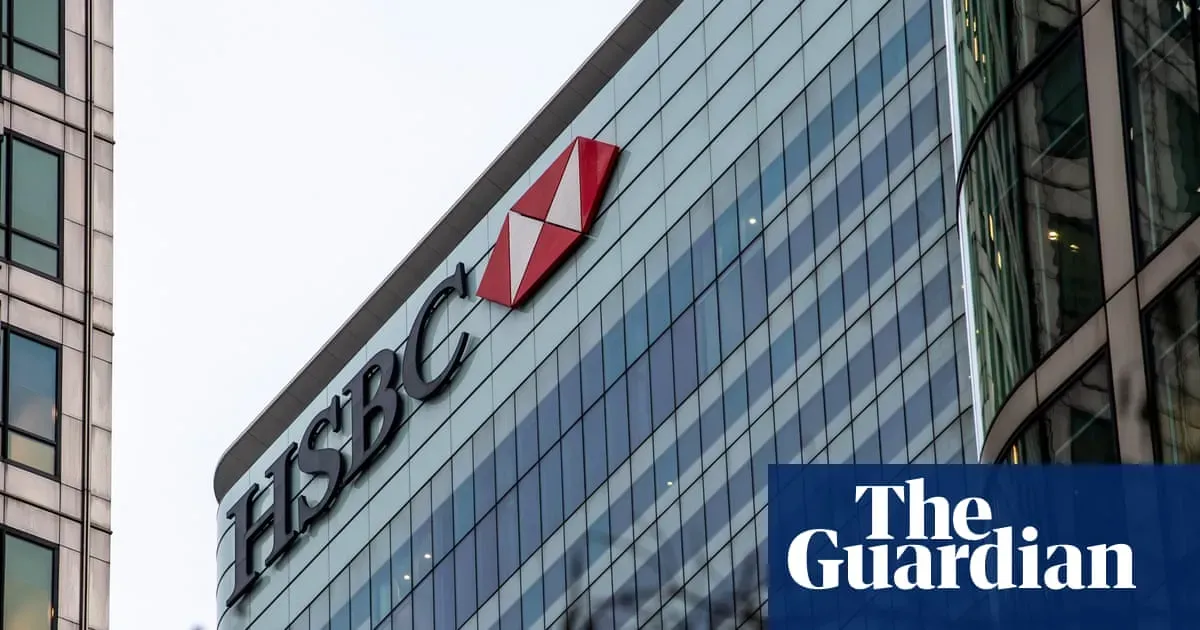
HSBC Dismisses Relocation Rumors Amidst Tax Hike Fears
HSBC has dismissed concerns about relocating its headquarters from London due to anticipated tax increases, with the bank's chief financial officer stating there is "no pressure on HSBC to move out of the UK".
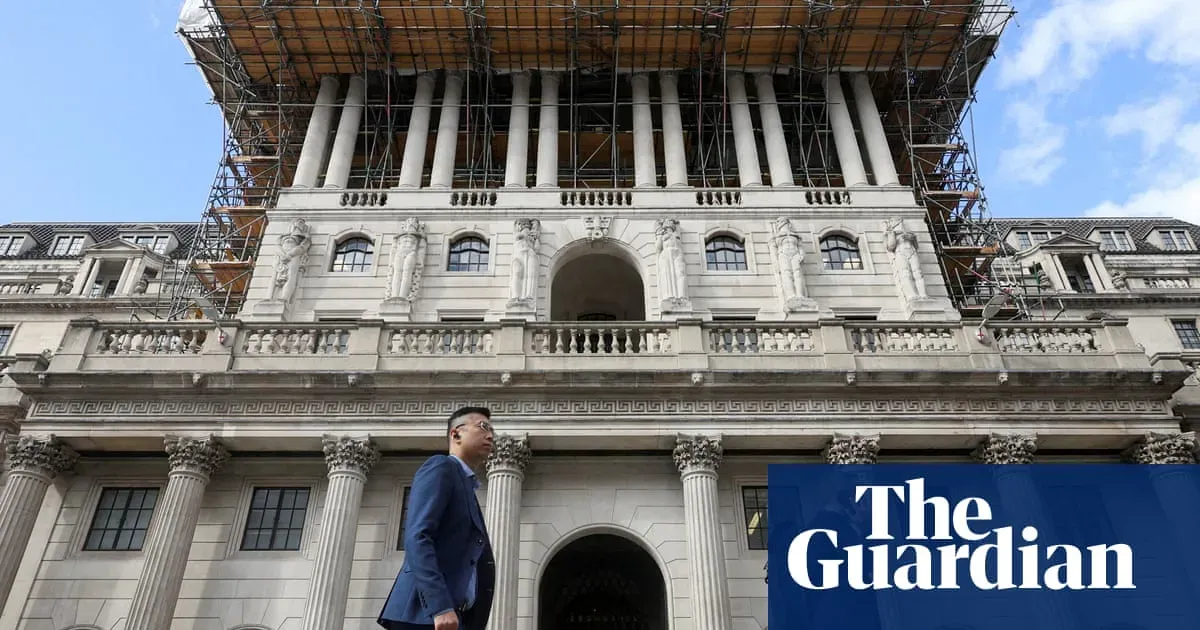
HSBC's chief financial officer has dismissed concerns that the bank might relocate its headquarters from London due to anticipated tax increases in the upcoming budget.
Pam Kaur emphasized that there is "no pressure on HSBC to move out of the UK, particularly not from shareholders based in Hong Kong, a key market for the bank. Despite warnings from lobbyists that higher taxes could prompt big banks to shift their operations abroad, Kaur stated that the bank has no intention of doing so.
HSBC's financial performance has been robust, with a significant 32% surge in third-quarter profits to $9.6bn (£7.2bn) announced on Tuesday. The bank also plans to distribute $2.7bn to shareholders through dividends and buybacks as part of its strategy.
The potential relocation of banks' headquarters due to tax hikes has been a contentious issue, with some business leaders expressing concerns about the impact on their operations. JP Morgan's chief executive, Jamie Dimon, recently warned that he might cancel plans for a new £3bn London headquarters if Britain became hostile to banks.
HSBC's commitment to its UK operations remains unwavering despite growing tensions between banks and the British government.
The bank's chief financial officer, ERT Kaur, downplayed the prospect of relocating or splitting its operations in response to potential higher taxes on banks. She stated that HSBC has a strong presence in the UK and is domiciled there, indicating no plans to abandon ship. This stance comes as the government considers increasing bank levies.
HSBC's history with the UK government is marked by back-and-forth negotiations over regulatory burdens and tax policies. In 2015, the bank was forced to consider relocating its headquarters due to a new bank levy that affected profits. However, after the Conservative government scaled back the levy, HSBC chose to stay put.
The bank has faced pressure from shareholders in east Asia, where it generates most of its profits. Kaur expressed support for the government's growth agenda, but also acknowledged that the bank will need to monitor how businesses and customers respond to any changes in policy.
HSBC's quarterly profit surged thanks to higher interest rates and lower loan losses, but its UK-listed shares plummeted almost 6% on Tuesday morning.
This sharp drop put HSBC's status as the largest company on the FTSE 100 at risk, prompting speculation about investor expectations for net interest income. Kaur suggested that investors might have anticipated stronger forecasts for this key metric, which measures the difference between what banks charge for loans and what they pay out in deposits.
HSBC's net interest income did indeed rise to $9.3bn in the third quarter, a significant increase from $8.8bn in the same period last year. Critics of bank profits have pointed to this metric as evidence that banks are benefiting from higher interest rates rather than their own improving performance.
However, HSBC attributed its net interest income growth in the third quarter to hedging strategies and an increase in deposits in Hong Kong, while UK deposits remained flat. This nuanced explanation highlights the complexities of bank operations and the various factors influencing profit margins.
The Trades Union Congress has argued that banks can comfortably absorb higher taxes, citing HSBC's results as evidence of their ability to contribute more to the public purse. The TUC general secretary, Paul Nowak, emphasized that these figures make it clear banks should be willing to pay their fair share of taxes.
HSBC's financial performance has been under scrutiny due to its strong profits, which may be difficult news to swallow" for households struggling with rising mortgage costs.
The bank's profitability is largely attributed to low interest rates on savings accounts and a hidden subsidy from taxpayers via the Bank of England's quantitative easing policy.
Facts based on reporting originally published by The Guardian Business.
You may republish this story, in full or in part, if you credit Noti Group and link to it (licence CC BY 4.0). Photos are not included.