


High Street Brands Revive Fortunes with Luxury Collaborations
Gap and M&S have been struggling in recent years due to the rise of affordable online retailers, but they are now embracing luxury fashion to attract more discerning shoppers.
High street brands are reviving their fortunes by embracing luxury fashion and high-end collaborations in a bid to attract more discerning shoppers.
Familiar names such as Gap and M&S have been struggling to stay relevant in recent years, overshadowed by the rise of affordable online retailers and growing demand for sustainable fashion. However, they appear to be taking a new approach, drawing inspiration from luxury labels to create collections that cater to a more fashion-conscious audience.
This shift is evident in partnerships like Gap's collaboration with Victoria Beckham, as well as M&S's decision to showcase its catwalk collection at London Fashion Week, complete with A-list attendees and same-day availability of select pieces priced under £50. Topshop has also relaunched and expanded its presence through concessions in 30 John Lewis stores.
The head of design at M&S, Lisa Illis, describes the brand's recent catwalk show as a way to make the buzz of London fashion week accessible to everyone. The strategy appears to be paying off, with an increase of 16% in under-35s shopping at the retailer year on year.
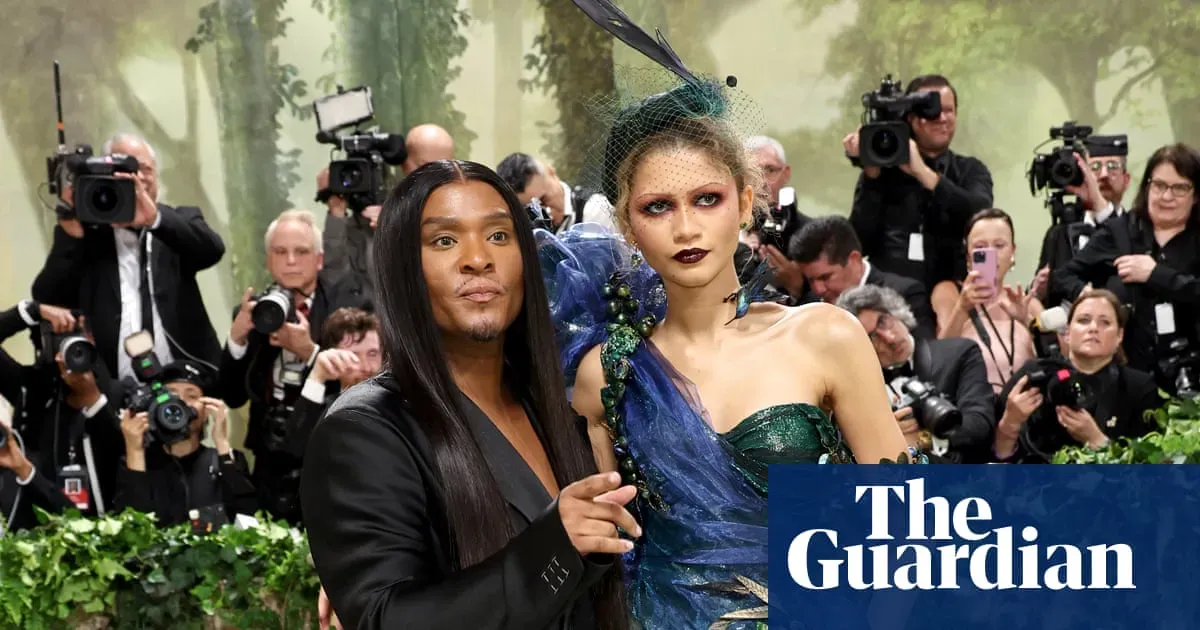
Asos has appointed Hollywood stylist Law Roach as its stylist-in-residence, a move that will see his influence extend beyond advertising campaigns to product suggestions across the site.
The decision is based on research by Asos, which found that 68% of consumers want guidance on how to wear items. This insight has led the online retailer to introduce various features aimed at helping customers make informed purchasing decisions.
One such feature is AI stylists, which provide personalized fashion advice based on individual tastes and preferences. Additionally, virtual try-on tools allow shoppers to see how clothes would fit without having to physically try them on.
The shift in approach reflects a broader trend in the retail industry, where brands are adapting to changing consumer behavior. According to Ella Baynes of Savvy Marketing, retailers are borrowing cultural cues from luxury fashion while still catering to price-conscious consumers.
Asos has demonstrated its commitment to inclusivity by launching an extensive adaptive collection for disabled customers, in collaboration with consultancy Tilting the Lens. The collection features a range of items that can be customized and mixed-and-matched to create a variety of outfits. According to founder Sinéad Burke, who has achondroplasia, this approach allows customers to develop their own unique capsule collections.
The affordability of these items is also a key consideration, with none priced above £65 - a crucial factor for disabled people, many of whom face significant financial challenges. In the UK, 46% of people with disabilities are not in work, highlighting the importance of accessible and affordable fashion options.
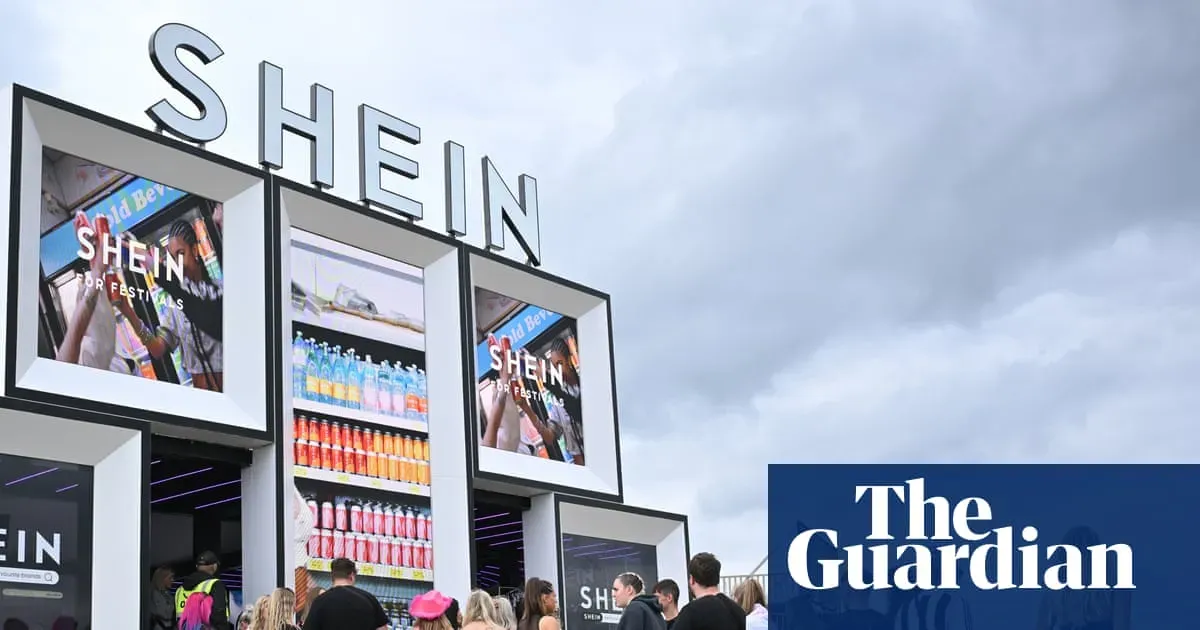
Asos has been working to revamp its business strategy, following a sharp decline in sales post-Covid and increased competition from ultra-cheap brands like Shein. Sales dropped by 12% last August, prompting a cost-cutting drive that included introducing charges for returns.
The company's efforts appear to be paying off, with Asos announcing a 50% growth in profits this March - although the impact of a cyber-attack at the beginning of October remains uncertain.
As affordable brands continue to stage a fashion comeback, some are opting for more subtle approaches when it comes to showcasing their environmental credentials. Fashion commentator Andrea Cheong has observed that brands are no longer prominently highlighting their eco-friendly practices, which she attributes to a combination of factors including criticism from campaigners, financial constraints, and the rise of conservatism.
The shift away from emphasizing sustainability is particularly notable given that some retailers have been promoting eco-commitments for years. Marks & Spencer (M&S), for instance, first launched its environmental initiatives in 2007, taking a stance that values both affordability and sustainability. According to M&S, designing clothing with longevity in mind can help customers build wardrobes they will wear and love for longer.
However, even with more durable designs, retailers face the ongoing challenge of consumers' unpredictable purchasing habits. Statistics suggest that garments are typically worn just seven times before being discarded, highlighting the disconnect between fashion consumption and sustainability goals. As brands continue to borrow from luxury strategies, they must navigate this disparity between intent and reality.
One notable example of this disparity is the use of human-made fibres in high-street clothing lines, such as M&S's catwalk collection and Asos Adaptive. While these ranges may be marketed with luxury-inspired flair, they often rely on synthetic materials that differ significantly from those used in high-end fashion brands like Dior.
The contrast between marketing promises and actual practices raises questions about the authenticity of affordable brands' attempts to elevate their image. Fashion commentator Cheong argues that regardless of efforts to appear more luxurious, these brands are not yet equivalent to their high-end counterparts in terms of materials or quality.
High-street brands are seeing a resurgence in popularity among young consumers, who are increasingly looking for affordable luxury options. Resale apps like Vinted have become major players in the UK market, with some 25- to 35-year-olds even prioritizing secondhand shopping over new purchases.
This shift suggests that fashion brands need to adapt their strategies to meet the changing expectations of savvy consumers, who are no longer easily swayed by traditional marketing tactics.
Facts based on reporting originally published by The Guardian Business.
You may republish this story, in full or in part, if you credit Noti Group and link to it (licence CC BY 4.0). Photos are not included.