





Formula 1 driver Alan Jones passes away at 80
Renowned Formula 1 driver Alan Jones has passed away at the age of 80, leaving behind a legacy that spans over two decades on the racing circuit.
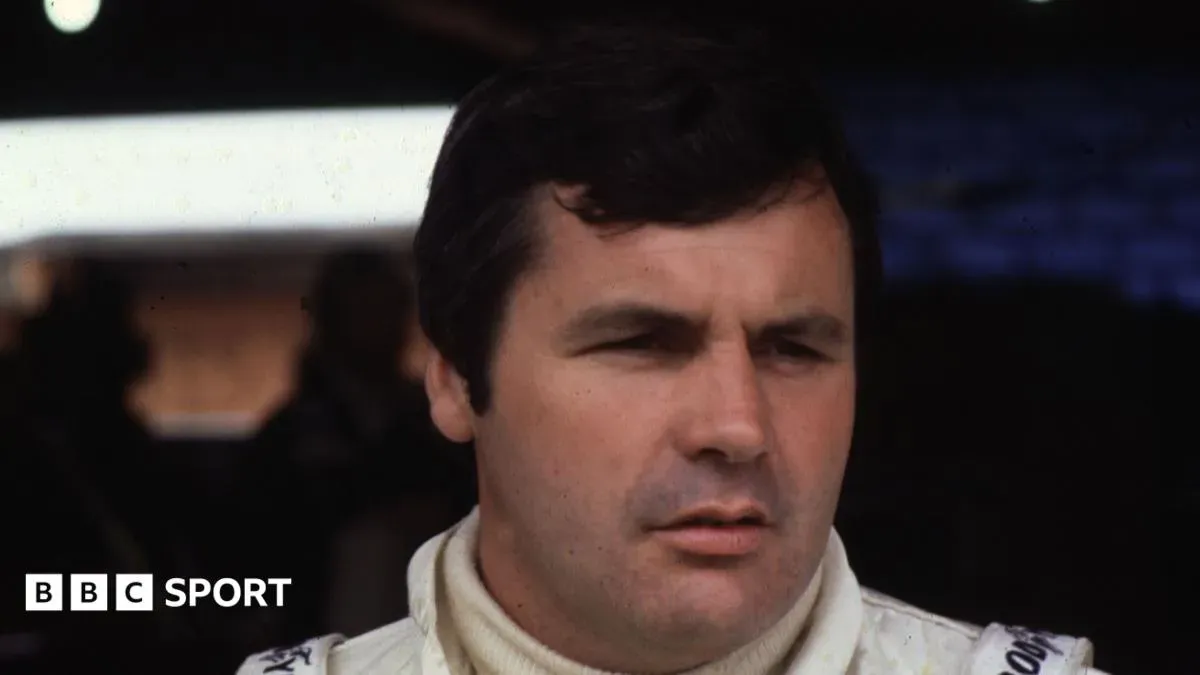
Renowned Formula 1 driver Alan Jones has passed away at the age of 80, leaving behind a legacy that spans over two decades on the racing circuit.
Jones's illustrious career began in 1975 when he made his debut at the Spanish Grand Prix driving for Hesketh. He went on to compete in 116 F1 races and secured a total of 12 grand prix wins throughout his time in the sport.
In 1980, Jones achieved a significant milestone by becoming the first Williams driver to win the Formula 1 world title. This victory marked the beginning of a successful partnership between Jones and the team, which yielded seven world champions over the years.
Jones's impressive racing career also saw him compete in other formats until 2002, demonstrating his dedication and passion for motorsports beyond his F1 days. His achievements on the track have left an indelible mark on the sport, earning him a special place in the hearts of fans and fellow drivers alike.
The news of Jones's passing has been met with sadness from those closest to him, including his wife Amanda Butler-Davis, who released a statement on behalf of Motorsport Australia.
Alan Jones's impressive racing career was marked by significant achievements, including his win at the Australian Grand Prix in 1980. At the time, this victory made him the most recent Australian to triumph at the prestigious event, which was held at Melbourne's Calder Park Raceway.
Jones's success in F1 was not limited to a single season. In 1981, he finished third in the drivers' standings and secured his final race victory in Las Vegas that same year. This marked the end of an era for Jones, as he retired from professional racing after the season concluded.
After initially retiring from F1, Jones made a comeback with new team Haas in 1985. However, this attempt to revive his career was largely unsuccessful and did not yield the desired results on the track. His time in F1 had been relatively short-lived, spanning just under three years from mid-1979.
Jones's impact on motorsport extended beyond his racing achievements. He continued to be involved in the sport through various other means, including competing in touring car and endurance races primarily held in Australia. Additionally, he gained popularity as a television pundit, providing expert commentary on F1 events.
The legacy of Alan Jones continues to resonate within the motorsports community, both domestically and internationally. His contributions to the sport have left an enduring mark, with many people acknowledging his dedication and passion for racing.
Jones' feisty approach to racing made him an instant hit at Williams and Head's team, where he played a key role in their brief but notable dominance of F1.
Newcomers to the team were often judged against Jones' standards, and more often than not they fell short in the eyes of Williams and Head. This high bar was set by Jones himself, as he consistently delivered impressive performances that left his teammates in awe.
It took some time for Jones' exceptional abilities to be recognized, but a notable victory at the 1977 Austrian Grand Prix marked a turning point in his career. The Shadow team's surprise win over Niki Lauda's Ferrari was a testament to Jones' raw talent and potential.
At Williams, Jones thrived alongside Head, who was just starting out as a team leader with the FW06 design. This early collaboration laid the groundwork for their future success together.
As the 1979 season progressed, Jones and Williams became an unstoppable force in F1. The introduction of the FW07 car mid-season marked a significant turning point, but reliability issues initially prevented Jones from challenging Ferrari's drivers for the title under the unusual scoring system of that year.
Jones's final victory was a notable one, securing him first place at the Caesars Palace circuit in Las Vegas. However, this triumph was somewhat marred by his teammate Carlos Reutemann's unexpected decision to withdraw from the championship fight against Nelson Piquet.
Jones decided to retire from F1 at 34, seemingly at the peak of his career, and returned to Australia. Despite initial satisfaction with this choice, he soon felt an itch to return to racing. This led him to participate in a one-off outing for Arrows in 1983.
He then made a full-time comeback with the US-based Haas team, but unfortunately, their project did not yield positive results. The car took several races to debut and struggled with reliability issues when it finally appeared on the track. Despite receiving assistance from Adrian Newey, who was an emerging talent at that time, the car proved slow and uncompetitive.
Jones's stint with Haas ultimately ended in disappointment, and he left F1 for good after the team collapsed at the end of the 1986 season. He continued to participate in racing events sporadically into his 50s and also took on a role as an F1 driver steward.
Facts based on reporting originally published by BBC Sport.
You may republish this story, in full or in part, if you credit Noti Group and link to it (licence CC BY 4.0). Photos are not included.