





FAA Expands AI-Powered Air Traffic Management System Across US National Airspace
The Federal Aviation Administration (FAA) has announced an expansion of its AI-powered air traffic management system across the entire US national airspace system. This decision has been...
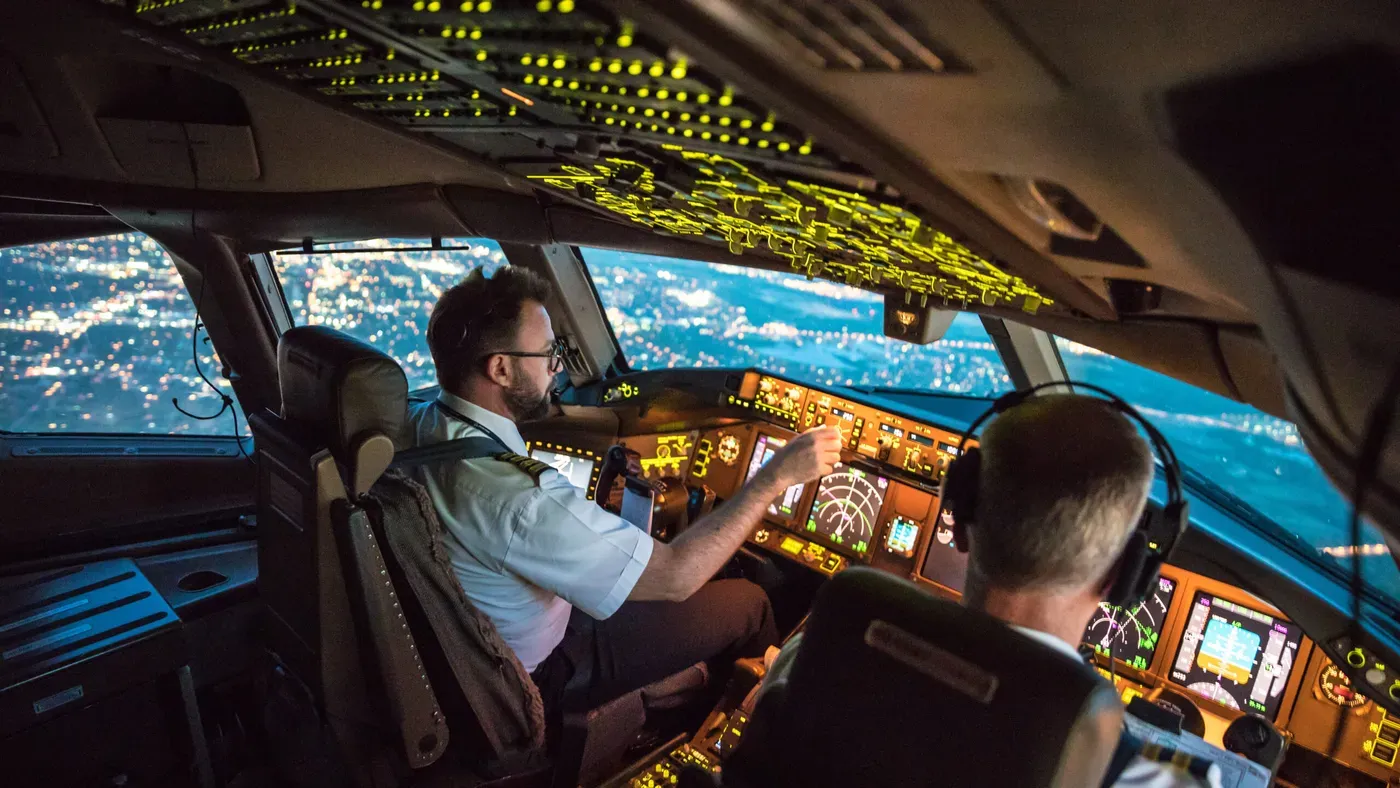
The Federal Aviation Administration (FAA) has announced an expansion of its AI-powered air traffic management system across the entire US national airspace system. This decision has been met with support from airline executives but opposition from the labor union representing air traffic controllers.
Airline officials have expressed their backing for the rollout, which is expected to bring about significant improvements in managing air traffic congestion nationwide. However, the union representing air traffic controllers has raised concerns over its involvement in designing and testing the AI-driven system. The union claims that it was not consulted during this process.
The FAA's SMART system has already shown promising results since its introduction in airspace over Washington, DC on September 21. According to the agency, the system helped reroute 180 flights, saving an average of 10 minutes per flight and nearly 80 gallons of fuel per flight.
The FAA is now planning to use the SMART system in all 22 centers across the country to reduce delays, cut fuel consumption, and enhance travel experiences for air passengers. This move was confirmed by a statement from the agency on November 10, which outlined its plans to expand the AI tool's deployment nationwide.
The FAA's cloud-based system, known as SMART, uses a combination of weather patterns, flight paths, traffic flow, and controller staffing metrics to predict air traffic congestion.
This data is then used by SMART to make scheduling recommendations, identify optimal flight routes, and determine the best order of arrivals for aircraft. However, these suggestions are not automatically implemented, but rather reviewed and validated by a team of FAA specialists based in Washington DC before being passed on to local air traffic control facilities.
The role of human validation is crucial, as the agency has emphasized that SMART cannot replace or take over from air traffic controllers. Instead, it provides recommendations that can be accepted or rejected at the discretion of local controllers, who are ultimately responsible for ensuring safe and efficient air traffic management.
While some airlines have publicly expressed support for the SMART system, with Delta Air Lines CEO Ed Bastian and American Airlines CEO Robert Isom offering words of encouragement in a previous FAA announcement, not everyone is convinced. The National Air Traffic Controllers Association has raised concerns that it was not consulted or involved in the development and implementation of SMART.
The Federal Aviation Administration (FAA) has expanded its use of artificial intelligence to manage air traffic congestion across a wider area, beyond the initial deployment in airspace above Washington D.C. The SMART system, which uses machine learning algorithms to optimize flight routes and reduce delays, is now being used at air route traffic control centers in Atlanta, Jacksonville, and Miami.
The FAA has shared an example of how SMART helped a cargo flight arriving at Dallas-Fort Worth International Airport by recommending a shorter and faster route. However, the agency did not reveal which specific flight was involved or provide details on how SMART may have assisted passenger flights. Despite this lack of transparency, the use of AI in air traffic control is seen as a promising solution to alleviate congestion.
The expansion of SMART's coverage is part of the FAA's efforts to modernize its air traffic management system and address concerns about air traffic controller shortages and other challenges facing the agency. By leveraging AI technology, the FAA aims to improve efficiency and reduce delays, ultimately enhancing the safety and reliability of air travel in the United States.
Facts based on reporting originally published by Ars Technica.
You may republish this story, in full or in part, if you credit Noti Group and link to it (licence CC BY 4.0). Photos are not included.