





SoftBank Suffers Billion-Dollar Loss Amid AI Energy Demand Surge
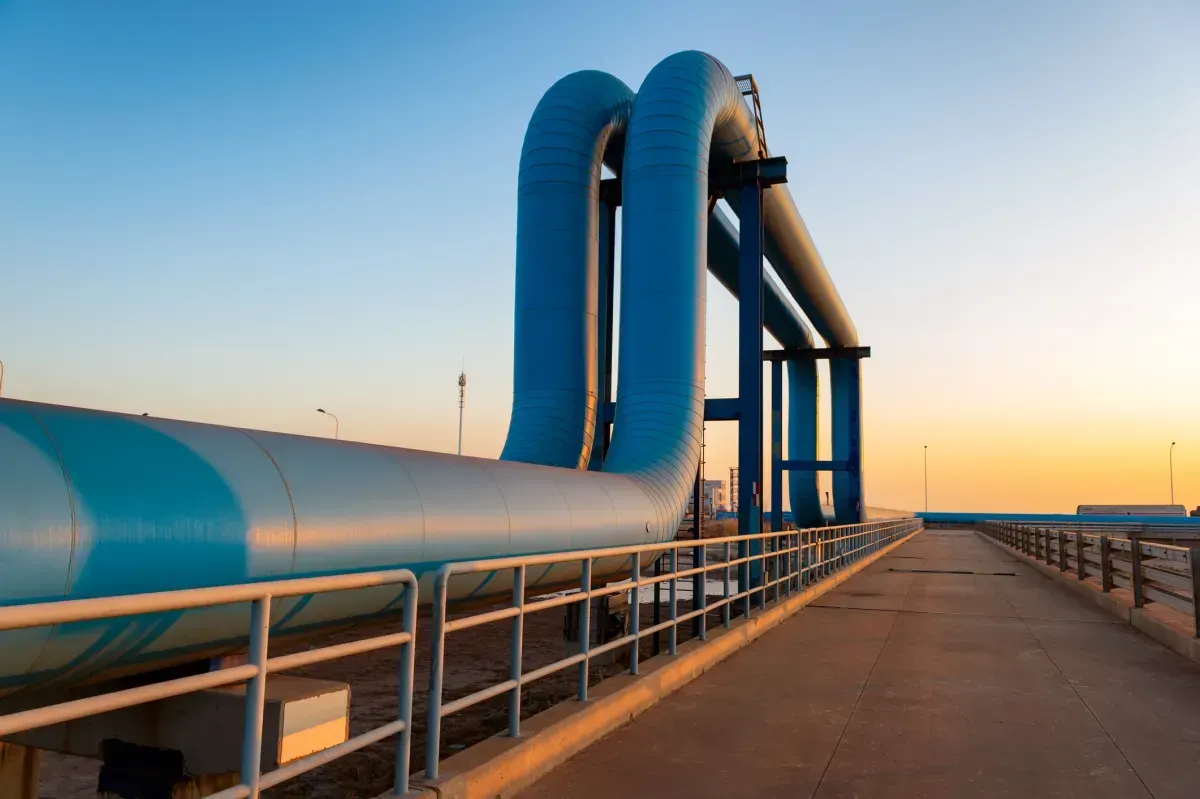
The energy landscape is struggling to meet the rapid growth in power demands from AI companies, including SoftBank's investments in OpenAI and its own natural gas power plant.
SoftBank's bold approach to investing has left its mark on various industries, and the latest development in this trend is a billion-dollar loss that may have significant implications for AI's reliance on natural gas.
The energy landscape was caught off guard by the rapid growth of AI's power demands, with queues for turbine orders now extending far into the future. This unexpected surge has left companies scrambling to meet the increased demand. As a result, CEO Masayoshi Son's decision to corner the market with his investment firm's resources seems like a calculated gamble.
The sheer scale of SoftBank's investments in AI has been well-documented, including its $30 billion bet on OpenAI and its plan to spend $33 billion on a massive natural gas power plant. However, it appears that the company may have overextended itself in one crucial area: procurement. According to reports, SoftBank put down deposits on more than 13 gigawatts of turbines, far exceeding its actual needs.
The decision to over-order turbines has helped secure supplies and speed up project timelines for SB Energy, a subsidiary of SoftBank. However, this move may also have contributed to the company's billion-dollar loss. In an interview with TechCrunch via email, Noreva CEO Peter Gardett explained that SB Energy had no choice but to overbook turbine orders in order to secure some supplies immediately.
This approach has put SoftBank at the forefront of the AI industry's energy needs, but it remains to be seen whether this strategy will ultimately pay off. As the company continues to navigate the challenges of meeting AI's growing power demands, one thing is clear: the stakes are high, and the consequences of failure could be severe.
The financial implications of SoftBank's misstep in the AI sector are becoming increasingly clear. The company's decision to invest heavily in power-generating equipment has resulted in a staggering $7.1 billion quarterly loss, with over half of that attributed to losses related to those investments.
SoftBank had paid nonrefundable deposits to turbine manufacturers to secure orders, but it now appears that much of this investment was misplaced. The company's willingness to pay top dollar for power-generating equipment has been revealed as a costly mistake, with the value of these investments being written down significantly.
The magnitude of SoftBank's misplaced bet is substantial, exceeding $3 billion. This reflects the widespread enthusiasm for natural gas in the AI sector, where companies are turning to this energy source as a means of ensuring reliability and avoiding long wait times for grid connections.
However, experts warn that relying on natural gas comes with its own set of risks, including winter curtailments when supplies dip and demand spikes. This has led some to suggest that the grid may still be the best option for data centers, albeit with smaller connections than they might normally request.
Large batteries are being touted as a cost-effective solution to make up for any shortfall in power supply. These can help shave peak loads or ride out requests from utilities to curtail electricity use, providing an added layer of security for AI data centers.
The implications of SoftBank's misstep are far-reaching, with significant consequences for the wider AI sector. As companies continue to navigate the challenges of meeting their energy demands, it remains to be seen whether they will be able to avoid similar pitfalls in the future.
The natural gas market may be developing more slowly than anticipated due to data center operators reaching similar conclusions as SoftBank about the challenges of meeting energy demands.
SoftBank's billion-dollar loss is unlikely to trigger a wave of cancellations for gas power plants, given AI's substantial power requirements that make such projects viable despite financial setbacks. The current reliance on natural gas for power generation suggests it will continue to be a dominant player in the market, at least for now. SoftBank's experience may have set a precedent for other companies.
The impact of SoftBank's loss is being felt across the industry, with investors and operators reassessing their strategies for meeting energy demands amid rising costs and decreased profitability. As companies navigate these challenges, they will need to balance their energy needs with financial constraints, a delicate balancing act that may lead to adjustments in long-term plans.
The future of natural gas in AI-powered data centers remains uncertain, but it is clear that SoftBank's experience has set a benchmark for the industry, and other companies will be watching closely as they weigh their own strategies for meeting energy demands.
The recent billion-dollar loss of SoftBank is likely to have a lasting impact on the use of natural gas in AI-powered data centers.
As companies weigh their options, they will be closely watching SoftBank's experience as a benchmark for their own decisions about the future of natural gas in this sector. The cost savings and environmental benefits associated with using natural gas may no longer outweigh the risks and uncertainties involved.
The outcome of SoftBank's experiment is likely to influence the direction of investment and innovation in AI-powered data centers, shaping the future of this rapidly evolving industry.
Facts based on reporting originally published by TechCrunch.
You may republish this story, in full or in part, if you credit Noti Group and link to it (licence CC BY 4.0). Photos are not included.