




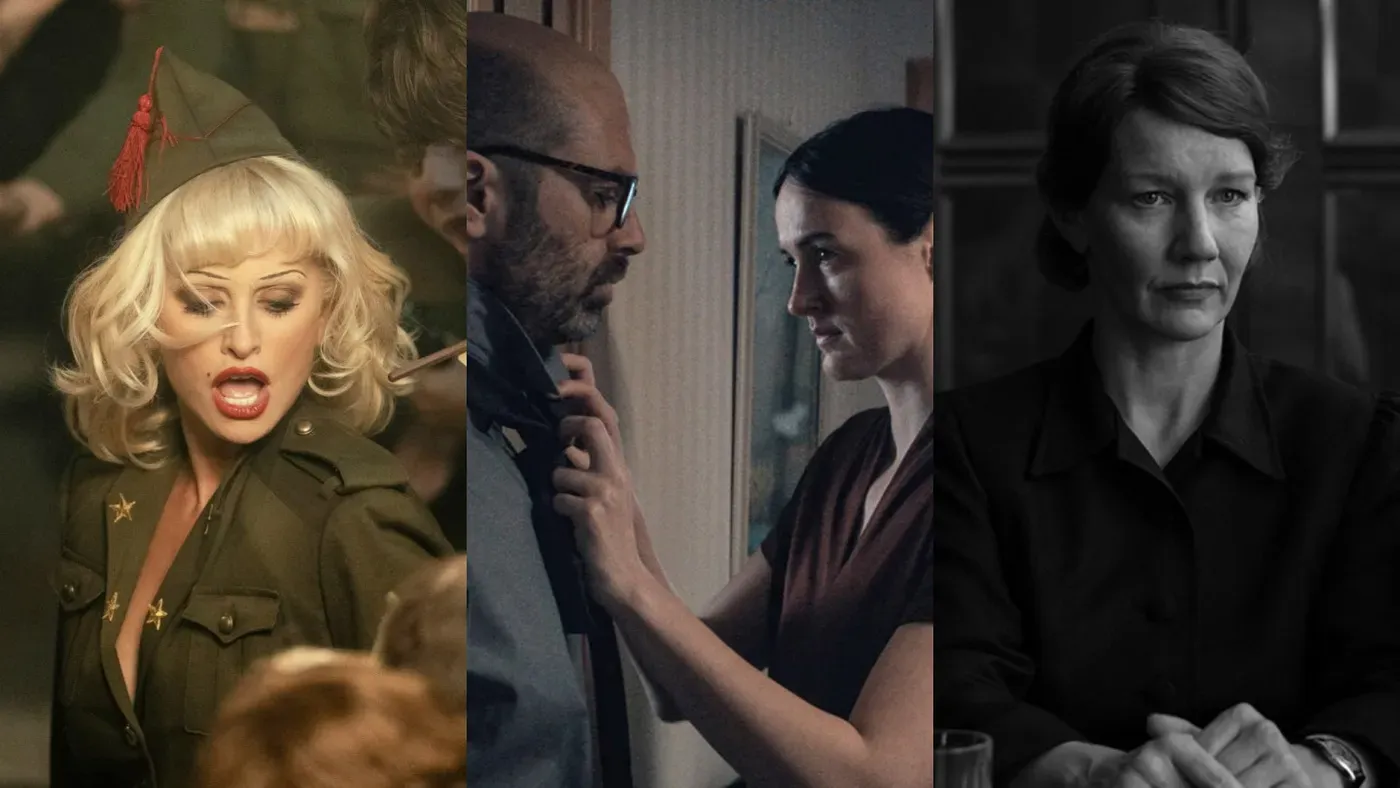
Chinese Celebrities Attend Golden Rooster Awards Ceremony
Celebrity Jackson Yee and director Zhang Yimou were among those in attendance at the annual state-run Golden Rooster and Hundred Flowers Film Festival.
China's Golden Rooster Awards ceremony took place at the luxurious Xiamen Strait Grand Theater in Xiamen, Fujian Province, China, where celebrities from across generations gathered for a night of glamour and recognition.
The event was the centerpiece of the annual state-run Golden Rooster and Hundred Flowers Film Festival, which brought together stars like Jackson Yee, known for his role in Resurrection, and acclaimed director Zhang Yimou, who has been making waves with his recent projects.
Hong Kong actor Tony Leung Ka Fai stole the spotlight at the ceremony, receiving his first Golden Rooster best actor award for his portrayal of a villain in The Shadow's Edge. This achievement comes 25 years after he captured global attention with his role in Jean-Jacques Annaud's The Lover.
Leung expressed his gratitude and optimism about this new milestone, saying "I hope this is just the beginning of new journey," reflecting on his experience of working in the industry for over 140 movies.
The film festival not only celebrated outstanding cinematic achievements but also provided a platform for industry professionals to engage in discussions and workshops aimed at shaping the future of Chinese cinema.
Zhang Yimou, known for his thought-provoking films, shared his insights with attendees during the event, emphasizing the importance of staying focused on storytelling as a key aspect of filmmaking.
The seminar "Stories That Travel: Chinese and Asian Cinema in Dialogue with the World" kicked off the industry side of proceedings, bringing together representatives from international festivals to discuss the role of Chinese cinema on a global scale. The event provided a platform for exploring the intersection of technology and storytelling, with Artificial Intelligence emerging as a key area of interest.
Zhang Yimou's adaptation of Liu Cixin's sci-fi classic The Three-Body Problem is currently in production, and the director has been experimenting with AI in his filmmaking process. A dedicated team has been set up on set to explore how AI can be integrated into the creative process, paving the way for innovative storytelling techniques.
The industry's emphasis on diversification of content was clear as Zhang Yimou urged filmmakers to stay ahead of the curve by embracing new technologies without losing sight of the core element that drives filmmaking: the story. The director acknowledged the rapid pace at which technology is advancing, warning that it's essential to adapt quickly in order to remain competitive.
The Golden Roosters ceremony will celebrate a banner year for Chinese cinema, with eight domestic productions dominating the box office top 10 so far this year. This achievement marks a significant milestone for the industry, highlighting the growing influence of Chinese movies on a global scale.
The two films set to receive awards at the "China's Oscars are notable for their distinct styles and content, reflecting the diversity that is increasingly being touted as a key aspect of the industry's growth strategy.
Gao Ye's outstanding performance in Shen's Dead to Rights earned her the Golden Rooster Best Actress award, which came as a testament to her impressive range and dedication to her craft. The film's massive commercial success is undeniable, having collected over $380 million at the box office. Its gripping narrative delves into the dark history of China, specifically the Nanjing massacre and the stories of those who documented its horrors.
The film's impact lies not only in its cinematic value but also in its ability to convey a sense of responsibility towards the past. It serves as a poignant reminder of the importance of preserving history and learning from it. The involvement of two of China's most bankable stars, Gao Ye and Liu Haoran, undoubtedly contributed to the film's widespread appeal.
In contrast, Lan Hongchun's Dear You took a more subtle approach in its storytelling, opting for a languid pace that still managed to evoke strong emotions in audiences. Despite featuring an ensemble cast of relatively unknown actors, the film collected around $300 million at the box office. Its narrative explores the complex and often heart-wrenching experiences faced by thousands of migrant Chinese families during the 1950s and '60s.
The film's success was a pleasant surprise to many, including its director Lan Hongchun, who seemed overwhelmed with emotion upon receiving his awards. His heartfelt expression on stage was a testament to the significance of this achievement for him personally. It feels like I'm dreaming, he exclaimed, crediting his grandmother in heaven for inspiring him through her stories.
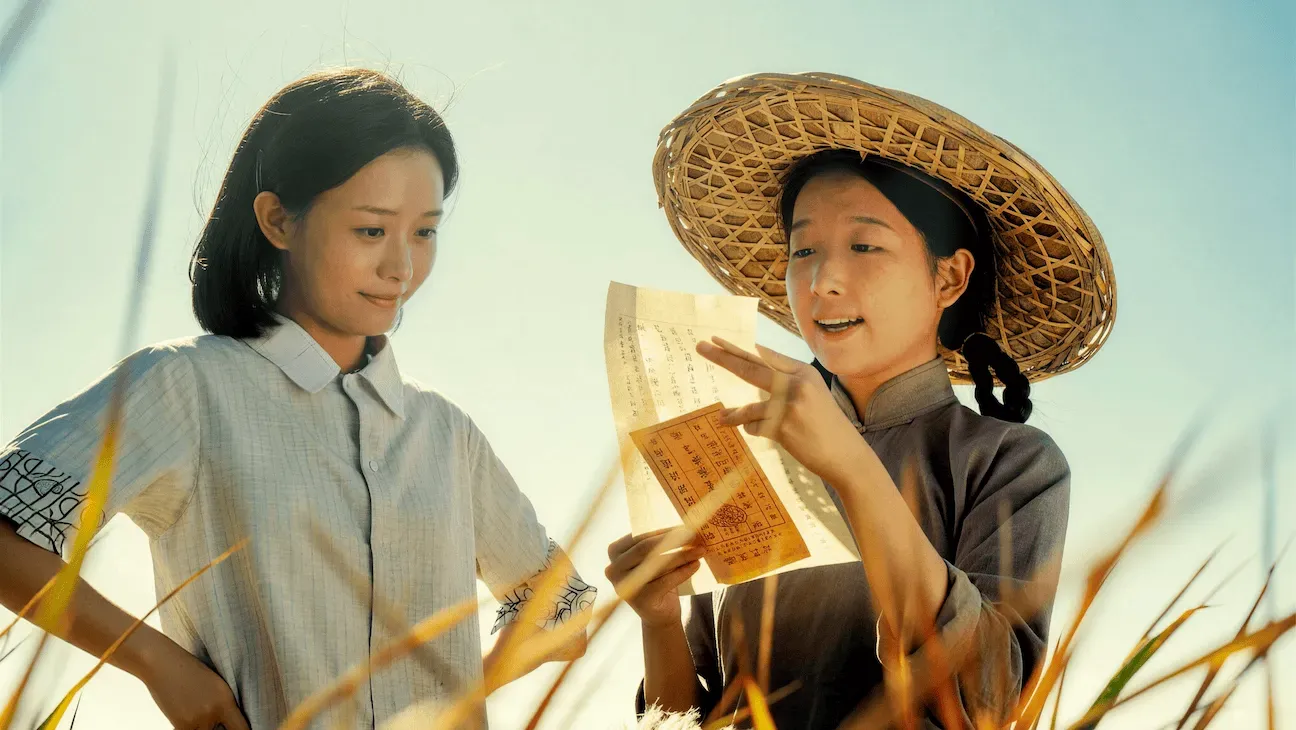
The opening night of another highly anticipated film, The Violinist, took place at the picturesque Bailuzhou Park Water Square in Xiamen. This Singapore-Spain-Italy production has already garnered recognition on the international stage, winning awards at the 2026 Annecy International Animation Film Festival and the 19th Asia Pacific Screen Awards.
The film's unique blend of animation and storytelling has captured the hearts of audiences worldwide, including those who attended its China debut. The narrative follows two childhood friends separated by war, weaving a poignant tale that explores the complexities of human relationships and experiences. Its ability to captivate both children and adults alike is a testament to its universal appeal.
Ervin Han, co-director of The Violinist, acknowledged that Singapore's animation industry is limited in scope and scale due to the country's small size. He emphasized that a project of this magnitude requires collaboration from multiple parties. As a result, they sought out international co-producers, leveraging their existing network within the animation industry.
The film's production was driven by a desire to share stories about Singaporean Chinese history and culture with a broader audience. Producer Cristiano Bortone echoed this sentiment, highlighting the importance of cultural exchange through storytelling. He stressed that The Violinist successfully blends Asian and European influences, resulting in a unique narrative voice.
Bortone's comments underscored the significance of cross-cultural collaboration in filmmaking. This theme resonated throughout the festival, with many attendees drawn to the idea of sharing Chinese stories on an international stage. By combining different cultural perspectives, filmmakers can create works that are both authentic and universally relatable.
The next generation of industry professionals made a strong presence felt at various events during the festival. One such gathering was the Golden Rooster Film Academy II: Ark Lab AI workshop, where attendees were treated to a candid discussion on the impact of artificial intelligence in filmmaking. Lan Tian, creative director behind Seedance 2.5, took center stage and shared his insights on the potential of AI technology.
The Chinese film industry has been at the forefront of embracing new technologies, with AI being a key area of focus. The estimated worth of China's AI market is substantial, standing at around $176 billion. Meanwhile, the short-drama and digital film market is expected to reach a value of over $6 billion this year. Lan Tian highlighted the cost-saving benefits that AI can bring to filmmakers, making it an attractive option for producers looking to streamline their operations.
The use of AI technology in filmmaking has been touted as a cost-effective solution for producers looking to streamline their operations.
Lan's innovative approach to film production involves using AI to create realistic props and sets that can be used in place of more expensive alternatives.
This allows filmmakers to produce high-quality content without breaking the bank, making it an attractive option for those on a tight budget.
As Lan explained, even with a modest investment of one million dollars or less, it's possible to create something that looks like it cost significantly more.
But Lan's technology is not just about saving money, he also sees it as a way to support reality" in filmmaking by using real-world objects and settings whenever possible.
This approach has the potential to add depth and authenticity to films, making them feel more grounded and realistic.
Facts based on reporting originally published by The Hollywood Reporter.
You may republish this story, in full or in part, if you credit Noti Group and link to it (licence CC BY 4.0). Photos are not included.