






Viral Infections Disrupt Cellular Energy Supply
Researchers have discovered that excessive accumulation of RNA in human cells can lead to damage to energy-producing structures.
Researchers have made an unexpected discovery about how viruses interact with cells in the human body. They found that when there is an excessive accumulation of RNA within a cell, it can lead to damage to the structures responsible for generating energy.
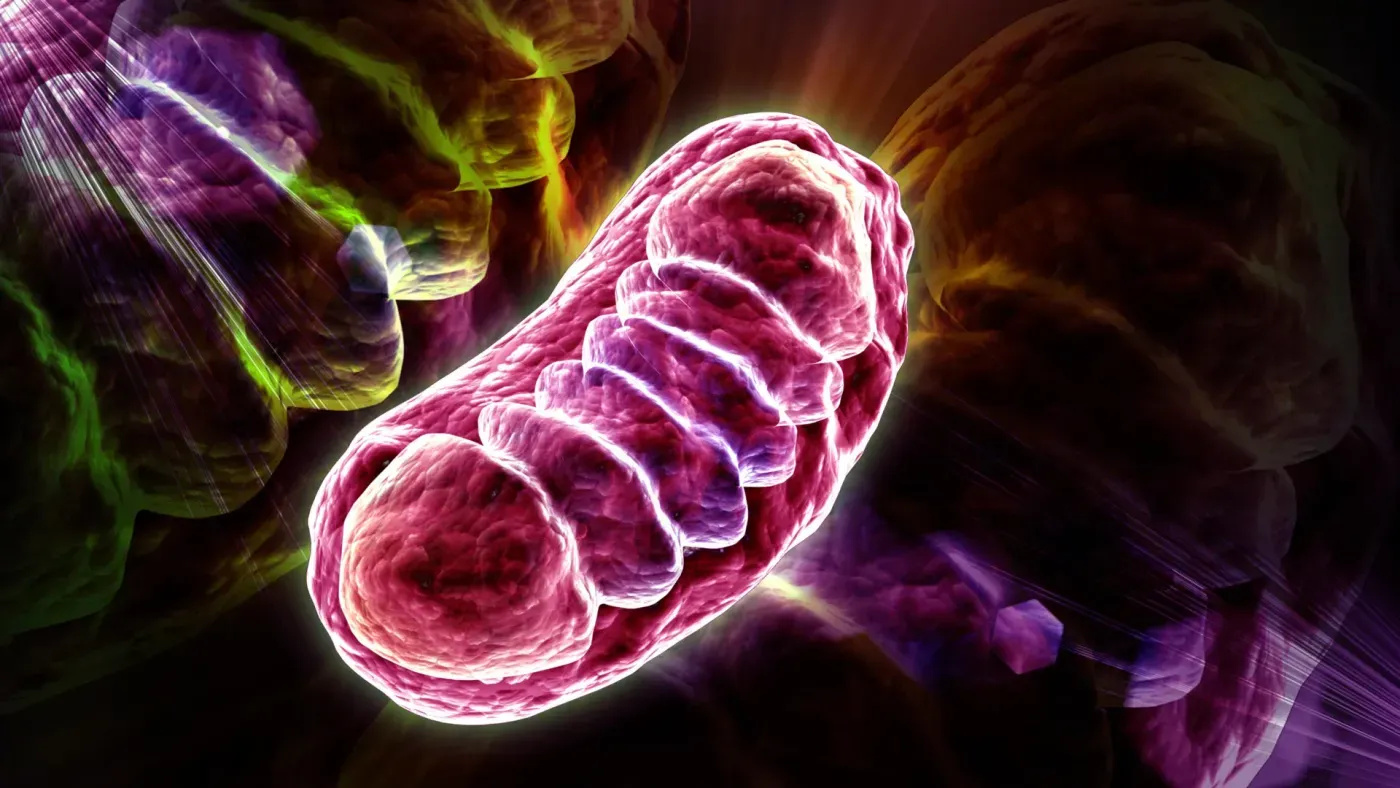
A study led by researchers at Texas A&M College of Veterinary Medicine and Biomedical Sciences revealed that during poxvirus infections, excess RNA produced can impair mitochondria's ability to produce energy. Mitochondria are tiny structures essential for cells to survive as they generate most of the energy needed.
The study's findings were published in Proceedings of the National Academy of Sciences and have significant implications beyond viral infections. They may also contribute to a better understanding of aging-related diseases and improve RNA-based medical treatments, including mRNA vaccines.
Dr. Zhilong Yang, a professor at Texas A&M College of Veterinary Medicine and Biomedical Sciences' Department of Veterinary Pathobiology, explained that scientists already know the importance of RNA degradation in controlling protein production and eliminating defective RNA. However, his team's research reveals another crucial role: maintaining cellular energy supply.
Cells constantly produce and break down RNA as part of their normal activities. This process helps regulate protein production, eliminate faulty RNA, control immune responses, and now appears to protect the cell's energy supply according to the study's findings.
Cells rely heavily on RNA to perform various functions. Messenger RNA (mRNA) is responsible for carrying genetic instructions that dictate which proteins are produced within a cell.
These proteins are essential for maintaining cellular structure and facilitating crucial chemical reactions. However, another type of RNA, known as double-stranded RNA (dsRNA), often appears during viral infections.
When dsRNA is detected, it serves as an alert to the immune system, warning of potential viral entry into the cell. Viruses typically produce large amounts of RNA as they replicate within infected cells, which would normally be cleared by cellular cleanup systems.
However, when RNA production surpasses the cell's ability to break it down, excessive material can interfere with mitochondria and impede energy production. This phenomenon is not unique to dsRNA, but also affects ordinary mRNA.
The study has uncovered an unexpected mechanism by which excessive RNA affects cells, and it appears to be linked to viral replication strategies. Poxviruses, responsible for diseases such as smallpox and mpox, seem to have evolved ways to manage this issue through the use of RNA cleanup mechanisms.
These mechanisms help infected cells remain functional long enough for viral replication to continue, suggesting that maintaining a balance within the cell is crucial for the virus's survival. As Yang notes, if the cell is not healthy, the virus would struggle to replicate effectively.
The study has also shed light on how excess RNA affects cellular powerhouses called mitochondria. Initially, researchers suspected that the damage was indirect and caused by the immune system responding to certain types of RNA.
However, experiments revealed a more direct relationship between excess RNA and mitochondrial damage. When isolated mitochondria were exposed to RNA in laboratory settings, damage occurred regardless of an immune response.
The findings indicate that excessive RNA can disrupt mitochondrial function directly, rather than through the body's typical response to infection. This discovery challenges previous understanding of how cells respond to viral infections and highlights a previously unknown cellular mechanism.
The accumulation of large amounts of RNA near mitochondria may disrupt their ability to produce energy for cells, scientists have discovered. Mitochondria are responsible for generating ATP, the molecule that serves as the primary source of energy for cells.
This process relies on maintaining an electrical and chemical difference across the inner membranes of mitochondria, which helps drive the production of ATP. The researchers suspect that large amounts of RNA with a negative electrical charge may accumulate near mitochondria, disturbing this delicate balance.
The negatively charged RNA may disrupt the electrical conditions required for efficient energy production in mitochondria. This concept is still being explored by the research team, who acknowledge that they do not yet fully understand how this process occurs.
Abnormal RNA accumulation has been observed in various health conditions, including certain cancers and neurodegenerative diseases such as Alzheimer's and Parkinson's disease. Mitochondrial dysfunction could potentially contribute to cellular damage in these conditions.
The researchers propose that excess RNA may represent a previously unrecognized source of mitochondrial stress. Further studies are needed to determine the extent to which this mechanism contributes to various health problems, including aging-related disorders.
The discovery of how excessive RNA can harm cells has significant implications for various areas of research.
This includes the development of RNA-based therapies, such as mRNA vaccines, which rely on introducing RNA instructions into cells to produce specific proteins. Understanding how cells respond to and process RNA is crucial for designing these treatments effectively. The study's findings may help researchers optimize future RNA-based therapeutics and vaccines by providing a better understanding of cellular responses to large amounts of RNA.
The discovery also has implications for the design and optimization of future RNA-based therapies and vaccines, as it highlights the importance of controlling RNA levels in maintaining cellular health. By understanding how cells respond to excessive RNA, researchers can develop more effective treatments that minimize potential side effects. This knowledge could lead to improved healthcare outcomes and better disease management.
The study suggests that controlling RNA levels is essential for maintaining accurate protein production, managing immune activity, and ensuring mitochondria function properly. Mitochondrial damage can have significant consequences for cellular health, including reduced energy production and potentially even cell death. The research underscores the importance of a delicate balance in cellular processes to maintain overall health.
The scientists involved in the study noted that their findings were surprising, as they revealed that excessive mRNA can also cause mitochondrial damage and interfere with energy production. This was unexpected given that cells rely on mRNA for protein synthesis every day. The discovery highlights the complex relationship between RNA levels and cellular function, emphasizing the need for further research into this area.
The research's implications extend beyond basic scientific understanding, as it has potential applications in various fields, including medicine and healthcare. Further studies are necessary to explore the full extent of how excessive RNA affects cellular health and its role in various diseases.
Researchers have made a groundbreaking discovery that excessive RNA can starve cells of energy, leading to potential health issues.
This finding has significant implications for our understanding of cellular health and its connection to various diseases, including Alzheimer's, which may be detectable as early as 45 years old. A simple blood test could also reveal depression in individuals. Meanwhile, a recent discovery in superconductor science has turned conventional wisdom on its head, shedding new light on this complex field.
Facts based on reporting originally published by ScienceDaily Health.
You may republish this story, in full or in part, if you credit Noti Group and link to it (licence CC BY 4.0). Photos are not included.