







US-Backed Hepatitis B Vaccine Trial for African Newborns Put on Hold
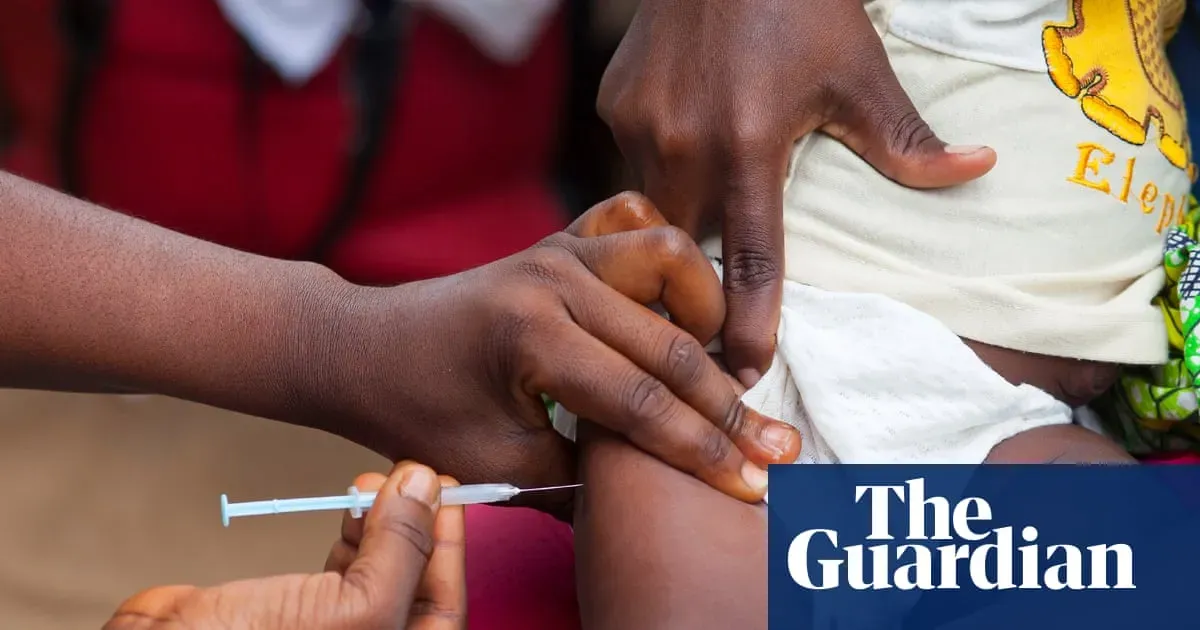
A US-backed trial to test a new hepatitis B vaccine on African newborns has been put on hold after government officials in Guinea-Bissau seized the vaccines allocated for the study.
A highly contentious US-backed hepatitis B vaccine trial for African newborns has been put on hold, according to the lead researcher. The study was set to be funded by a $1.6m grant from the US Centers for Disease Control and Prevention (CDC) and additional funding from private partners.
The move comes after the researchers' offices were searched by the government of Guinea-Bissau, who apprehended the vaccines that had been allocated for the trial. The health minister in Guinea-Bissau, Quinhin Nantote, had previously denied any plans to proceed with the project. He stated categorically that it was "not even remotely true that the study would go ahead.
The proposed trial had been met with widespread criticism from experts and human rights groups, who deemed it unethical to conduct a vaccine trial on newborns in a country where access to immunization is already limited. Vaccines expert Paul Offit, of the Children's Hospital of Philadelphia, has been vocal in his opposition to the study.
The government of Guinea-Bissau now holds control over the vaccines that were allocated for the trial, which had been intended to be conducted in partnership with the Bandim Health Project. The project was set to receive funding from private partners such as the Pershing Square Foundation and the Bluebell Foundation.
Offit has emphasized the importance of prioritizing vaccination efforts in Guinea-Bissau, where plans are currently underway to introduce universal birth doses by 2028. He urged that the allocated funds be used to support this goal, rather than conducting a trial on newborns.
The Danish research team's hypothesis about live vaccines having an overall mortality benefit was met with skepticism by some experts. They argued that giving another vaccine like hepatitis B alongside a live vaccine could potentially dampen its effect.
Vaccine expert Paul Offit described the idea as fanciful", pointing out that there is no evidence to support it and that it doesn't make biological sense. He emphasized the importance of administering the hepatitis B vaccine as soon as possible, given the high rates of infection in the country and the risk of lifelong illness and death.
Offit's comments were not directly addressed by the Danish researchers, who did not respond to questions about their study or his criticism. The Centers for Disease Control and Prevention (CDC) also failed to comment on whether the allocated funding would be used to roll out the vaccine to all newborns in Guinea-Bissau.
The World Health Organization (WHO) has recommended that all infants receive a first dose of the hepatitis B vaccine within 24 hours of birth, followed by additional doses. The organization remains committed to ensuring that all newborns worldwide receive timely and evidence-based protection against hepatitis B.
Tarik Jašarević, a WHO spokesperson, reiterates the importance of following this recommendation, which is aimed at preventing lifelong illness and death from infection.
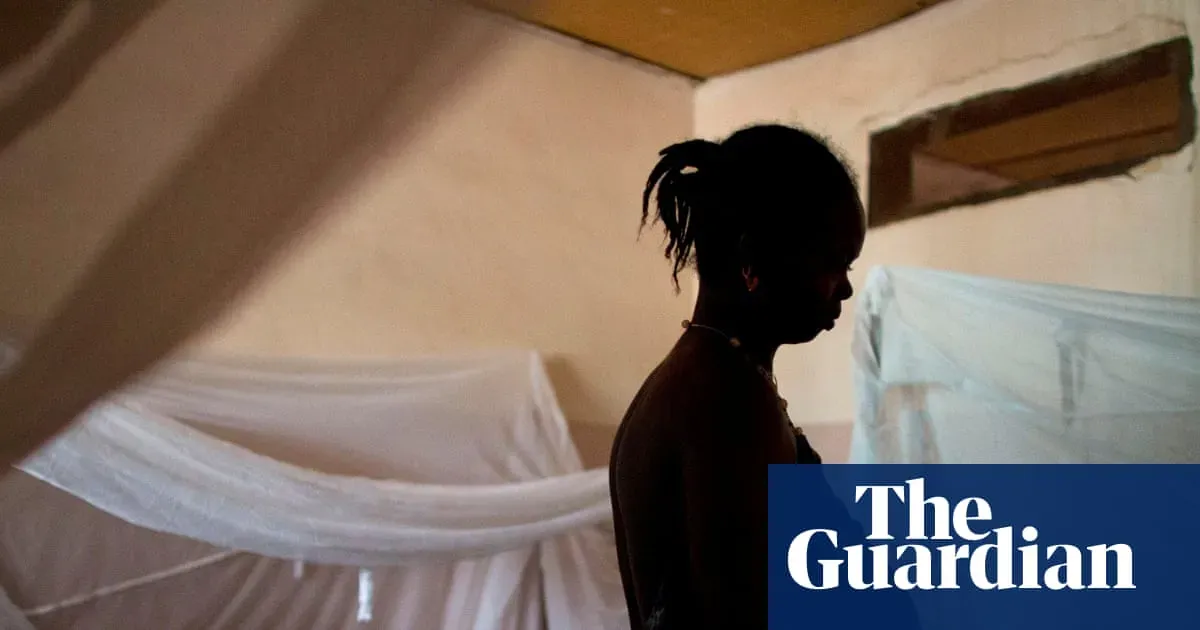
The controversy surrounding the US-backed vaccine trial in African newborns has raised concerns about informed consent among local mothers.
In order to participate in the study, mothers were given a 50% chance of receiving the vaccine for their children, while those who declined had zero chances of getting it. This uneven distribution has sparked debate over whether true informed consent was possible.
Some experts argue that this arrangement put pressure on families to participate in the trial, especially when considering the benefits of the vaccine.
The proposed trial has also led to distrust among locals, with many wondering if the vaccine was being tested on Africans because it was inherently dangerous. This skepticism is rooted in a decades-long record of safety and effectiveness for the vaccine.
However, experts emphasize that there are clear benefits to giving hepatitis B vaccines at birth, and not doing so can lead to lifelong danger.
The lack of evidence supporting concerns over the vaccine has led some researchers to question the need for such a study.
The decision to terminate the trial has raised questions about its potential implications for public health policies in Guinea-Bissau and beyond. Schaltz-Buchholzer expressed skepticism regarding the effectiveness and safety of the hepatitis B vaccine administered at birth.
The study would have also assessed side effects such as skin conditions and neurodevelopmental disorders, alongside mortality rates, to inform vaccination practices. Offit counters that giving newborns a hepatitis B vaccine is crucial, especially in countries like Guinea-Bissau with high incidence rates of chronic hepatitis B.
Facts based on reporting originally published by The Guardian World.
You may republish this story, in full or in part, if you credit Noti Group and link to it (licence CC BY 4.0). Photos are not included.