








UK Windfarms Receive £1bn State Loan for Debt Financing
A significant state loan of £1bn has been granted to UK windfarms as part of the financing package for the Vanguard projects.
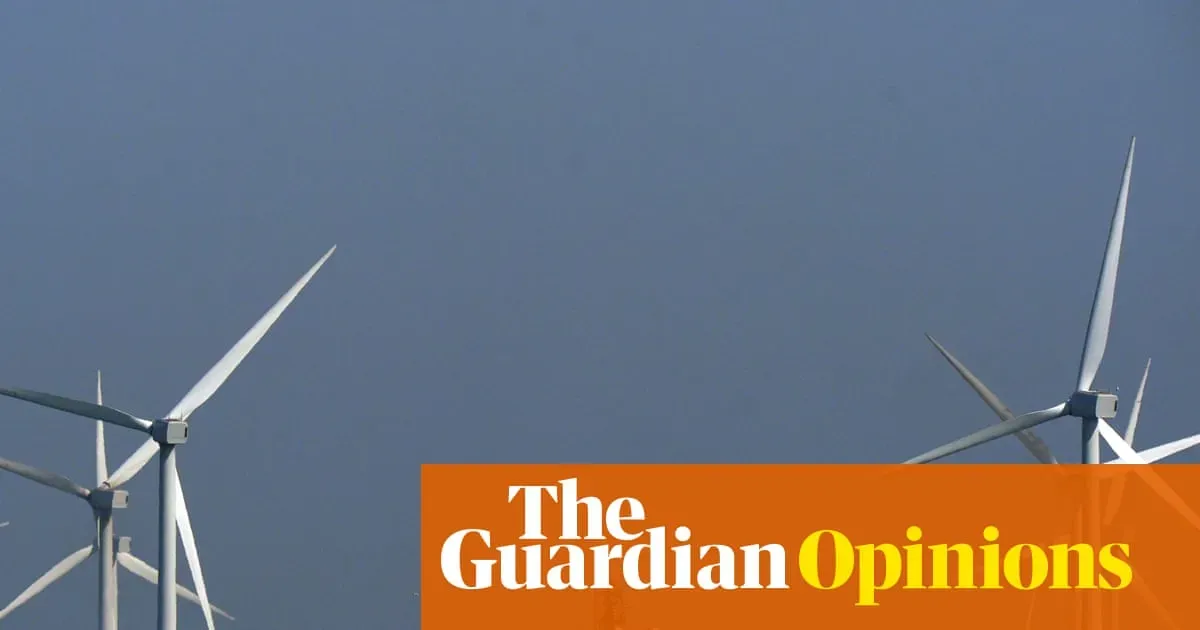
A major investment in UK windfarms has received a significant boost from a £1bn state loan, courtesy of the national wealth fund (NWF). This move comes as part of the financing package for the Vanguard projects, which are being developed by German utility RWE and US private equity giant KKR. The two windfarms off the coast of Norfolk will require almost £13bn in debt financing.
The investment is seen as a significant vote of confidence in building renewable energy infrastructure in Britain, according to the prime minister. However, critics argue that this project has been on the runway for some time now, with RWE being awarded a contract to build the windfarms back in January's renewables auction. This raises questions about whether the project truly represents a fresh expression of confidence.
The financing package for the Vanguard schemes has recently been made public, and it reveals that RWE has sold a 50% share in the projects to KKR. Meanwhile, £12.8bn has come from a consortium of 35 international banks, with the UK's national wealth fund contributing £1bn towards the debt side.
The involvement of the NWF is not entirely unexpected, given its role in directing capital to energy transition projects. However, it is worth noting that the state-backed body is meant to provide additional funding to ensure infrastructure projects are built that might not otherwise be viable. This implies that private capital should still play a significant role in financing such initiatives.
The details of the NWF's involvement and its terms remain unclear for now. As more information becomes available, it will be interesting to see how this state-backed loan fits into the larger picture of UK renewable energy development and whether it sets a precedent for future infrastructure projects.
The National Wind Fund's (NWF) involvement in the Vanguard windfarms project raises questions about the role of state-backed loans in UK renewable energy development.
According to the NWF, its investment process involves assessing the impact that would not have materialized without its contribution, ensuring it delivers both financial and non-financial value. However, this claim seems difficult to apply to a project involving two financially robust companies like RWE and KKR.
RWE is one of Europe's largest electricity generators, while KKR is a private equity giant with extensive experience in raising capital. Their involvement in the Vanguard windfarms project suggests that they would have been able to secure funding without NWF's £1bn contribution.
The auction process for offshore wind projects typically de-risks them by setting a guaranteed inflation-linked price for electricity over 20 years, as seen in this case where the price is set at £91.20 per megawatt hour (in 2024 money). This price is higher than historic standards, indicating that the project was already attractive to investors.
The rising cost of borrowing post-auction would have an impact on RWE and KKR's returns, requiring them to pay more for debt or contribute more equity. However, this is a common risk in commercial life, and it's unclear why NWF felt compelled to join a lending syndicate on this project where its contribution may not be the decisive factor.
The National Wealth Fund's (NWF) justification for its involvement in lending to offshore wind developers like KKR and RWE hinges on the idea that it widens the pool of capital available to these projects. According to NWF, this is necessary due to the unprecedented liquidity requirements arising from the success of the last auction round.
Developers are drawn to index-linked contracts that guarantee revenues for 20 years, making the prospect of state-backed lending an attractive option when borrowing conditions become tight. It's little wonder KKR wanted in on this deal, given the potential benefits of having a state lender as a backup plan.
NWF claims it is lending at market rates, but its definition of "additional" value has seemingly become quite elastic. This raises questions about the true nature of NWF's involvement and what exactly it brings to the table beyond the loan itself.
In contrast to other big loans made by NWF, such as those for Sizewell C or Rolls-Royce's small modular reactors development, offshore wind generation is an established market with a tried-and-true mechanism for incentivising developers. The contract-for-difference model has been shown to be effective in this sector.
Offshore wind projects are not necessarily the most pressing need when it comes to state-backed lending. With many of these projects already having secured financing through other means, it's worth wondering whether NWF's capital would be better directed towards more promising areas like electrification and storage solutions.
In fact, a growing consensus among energy experts suggests that decarbonisation efforts will yield the greatest gains in sectors such as heat pumps, electric vehicles, and energy storage. By focusing on these areas, state-backed lenders could make a more meaningful contribution to reducing carbon emissions.
State-backed loans can play a vital role in accelerating the transition to cleaner energy sources. However, critics argue that these initiatives may be duplicating efforts already undertaken by private sector investors, which raises questions about their effectiveness and value for money.
Private equity firms like KKR are often well-capitalized entities, yet they are receiving state support to finance windfarm projects. This has led some to wonder whether the state is getting the best return on its investment in these circumstances.
Facts based on reporting originally published by The Guardian Business.
You may republish this story, in full or in part, if you credit Noti Group and link to it (licence CC BY 4.0). Photos are not included.