







Type 2 Diabetes Protein Linked to Insulin Resistance Identified
Researchers have identified a protein called Miro1 as a potential key player in the development of Type 2 diabetes, specifically by hindering the body's ability to respond effectively to insulin.
Researchers have made a significant discovery that may shed light on the underlying causes of Type 2 diabetes. A protein called Miro1 has been identified as a potential key player in the development of this condition, specifically by hindering the body's ability to respond effectively to insulin.
Studies have revealed that people with Type 2 diabetes tend to have higher levels of Miro1 in their skeletal muscles than those without the disease. By examining the effects of removing Miro1 from these muscle cells, scientists found that it restored their response to insulin, implying a direct link between this protein and insulin resistance.
The team also conducted experiments on individuals with Type 2 diabetes who engaged in exercise, observing that physical activity significantly lowered Miro1 levels in their muscles. This finding offers new insights into the mechanisms behind improved insulin sensitivity associated with regular physical activity.
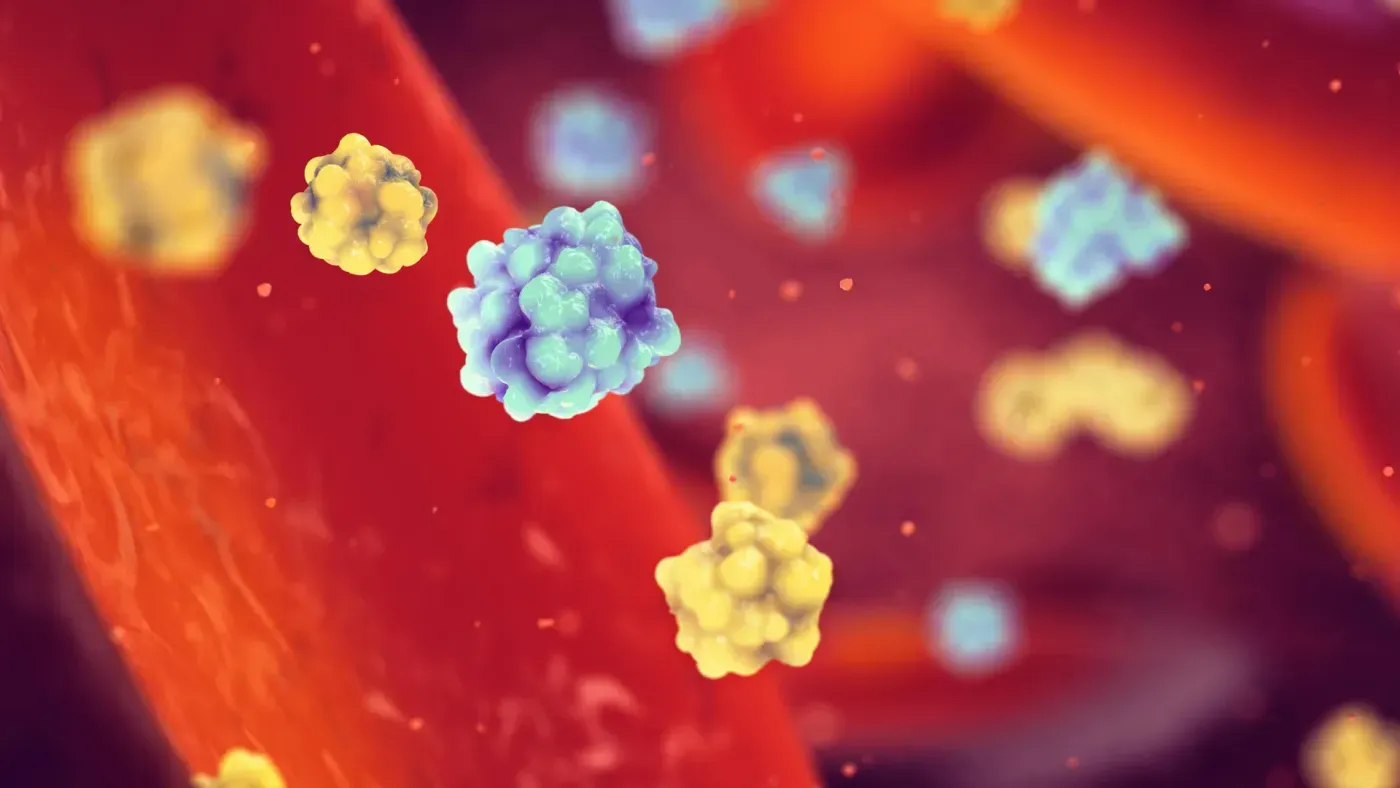
Miro1 is located on the outer membrane of mitochondria, tiny cellular structures responsible for energy production. Researchers speculate that excessive amounts of this protein may disrupt muscle cells' ability to respond to insulin, thereby impairing blood sugar regulation in people with Type 2 diabetes.
To better understand Miro1's role in human disease, the research team studied its effects across various settings, including laboratory cells, preclinical models, and individuals living with Type 2 diabetes.
The buildup of Miro1 in muscles has been found to impair their response to insulin, a crucial step in regulating blood sugar levels. This impairment is a key factor contributing to type 2 diabetes, as it prevents the body from effectively utilizing insulin.
Studies have shown that removing Miro1 in preclinical models restores the muscle's ability to respond to insulin, providing strong evidence of its role in this process. Researchers believe that reducing Miro1 could be one way exercise helps improve insulin sensitivity and glucose metabolism.
A randomized controlled trial was conducted to investigate whether exercise can influence Miro1 levels in people with type 2 diabetes. Participants with obesity and the condition were assigned to either an aerobic exercise group or a standard medical care group for comparison purposes.
The results showed that individuals who engaged in regular aerobic exercise experienced a decline in Miro1 levels in their muscles, which coincided with improvements in insulin sensitivity and energy production capacity. These findings suggest that reducing Miro1 may be one of the mechanisms by which exercise enhances insulin response.
Researchers believe that targeting Miro1 could provide additional benefits when combined with physical activity. This new therapeutic target has the potential to lead to novel treatments for type 2 diabetes, complementing existing management strategies such as exercise and diet.
The study's findings have significant implications for understanding why exercise is effective in managing type 2 diabetes and opens up possibilities for developing complementary treatments that can work alongside regular physical activity.
Dr. Kirwan's research team has made significant strides in understanding the mechanisms behind type 2 diabetes, a condition that affects millions worldwide.
As executive director of the OU Health Harold Hamm Diabetes Center at the University of Oklahoma, Dr. Kirwan continues to build on his previous work at LSU's Pennington Biomedical Research Center, where he carried out this research and earned international recognition for his translational research program.
The study's first author is Elizabeth Heintz, a doctoral candidate who worked in the Integrated Physiology and Molecular Medicine Laboratory at Pennington Biomedical. Dr. Christopher Axelrod, co-corresponding author of the study, has also joined Dr. Kirwan at the Harold Hamm Diabetes Center to continue this line of research.
Dr. Jennifer Rood, Interim Senior Vice Chancellor and Executive Director of Pennington Biomedical, highlighted the importance of connecting laboratory discoveries with patient-based research and broader population studies. This integrated approach is crucial in advancing our understanding of diabetes and developing effective treatments.
This research demonstrates the value of an interdisciplinary approach to studying type 2 diabetes. By combining fundamental discoveries about muscle function with insights into insulin resistance and the benefits of exercise, Dr. Kirwan's team is laying the foundation for future approaches to prevention and treatment.
Further research is necessary to confirm whether targeting Miro1 directly can lead to safe and effective treatments for people living with Type 2 diabetes. While lab models showed a restoration of insulin responsiveness, the human trial found that exercise reduced Miro1 levels alongside improvements in insulin sensitivity.
To build on these findings, Kirwan will continue his investigation at the Harold Hamm Diabetes Center. His research will combine laboratory experiments with studies involving people to gain a deeper understanding of the biological mechanisms driving diabetes and explore new strategies for prevention and treatment.
The ultimate goal is to find cures for Type 2 diabetes, which affects many in Oklahoma and across the country. The recent findings offer hope that they could be an important part of the solution to this widespread affliction.
The study received funding from several key institutions, including the National Institute of Diabetes and Digestive and Kidney Diseases, the National Center for Complementary and Integrative Health, and the National Heart, Lung, and Blood Institute.
The study's findings have significant implications for public health and disease prevention.
Researchers have identified a protein that may play a major role in type 2 diabetes, suggesting new avenues for treatment and management of the condition.
This discovery could lead to the development of targeted therapies or interventions aimed at mitigating the effects of this protein on insulin sensitivity and glucose metabolism.
Facts based on reporting originally published by ScienceDaily Health.
You may republish this story, in full or in part, if you credit Noti Group and link to it (licence CC BY 4.0). Photos are not included.