






Train Crash in Central Spain Results in 68 Fatalities
A high-speed train crash in central Spain has resulted in a tragic loss of at least 68 lives and left dozens more injured.
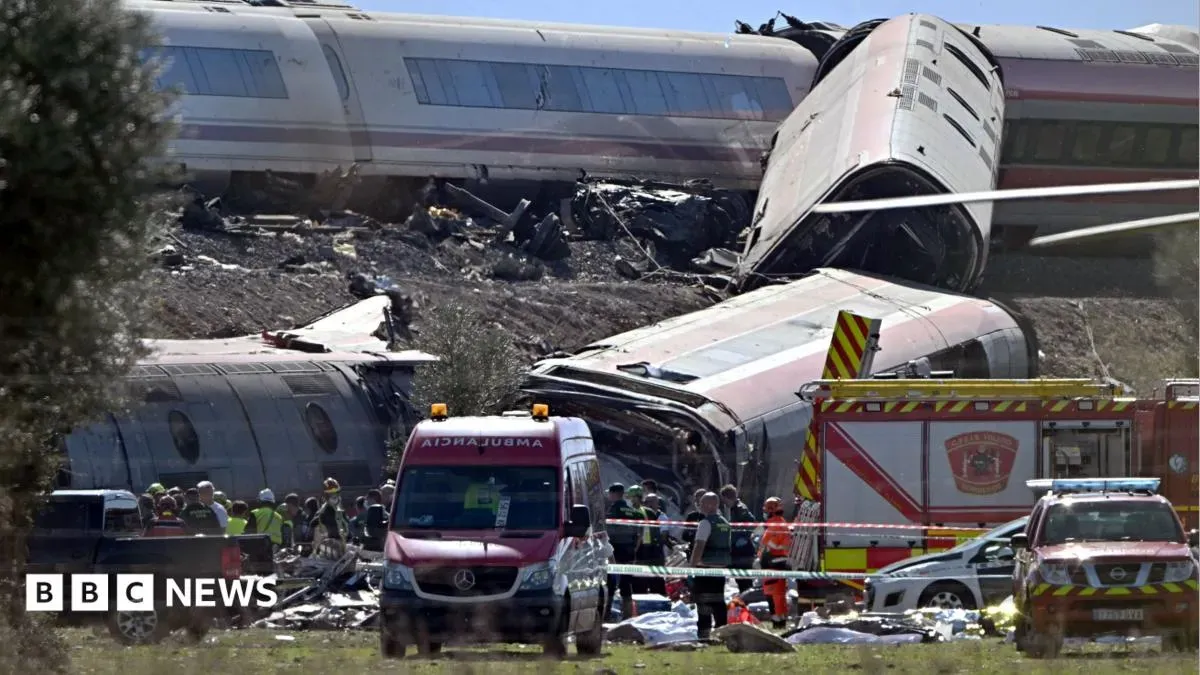
A high-speed train crash in central Spain has resulted in a tragic loss of at least 68 lives and left dozens more injured.
The devastating incident occurred when one train travelling from Madrid to Seville collided with another stationary train on the tracks early Wednesday morning. The impact was so severe that multiple carriages were dislodged, sending them tumbling down an embankment.
According to Spain's Transport Minister Óscar Puente, a combination of computer failure and human error led to the crash, making it one of Europe's deadliest rail disasters in recent history. This disaster surpasses any other train accident that has occurred in Spain over the past 13 years.
The crash happened at approximately 09:00 hours local time, roughly 140km south of Madrid, where the incident sent shockwaves throughout the region.
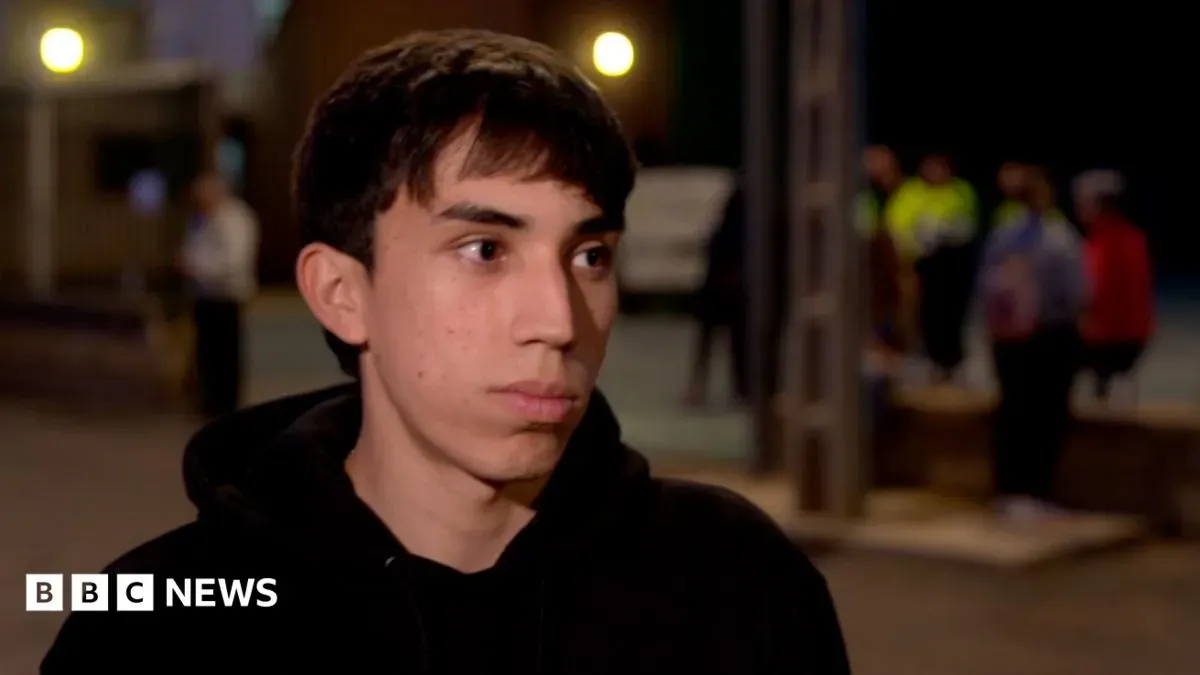
The impact of the crash was intense, according to eyewitness accounts. Salvador Arriza, a 62-year-old passenger on board the train, described it as "brutal. He was sitting in one of the carriages operated by Renfe when the disaster occurred.
As passengers struggled to escape, some found themselves trapped amongst the seats due to the severity of the crash. Others managed to break free and make their way out through the windows. The scene inside the train was chaotic, with people crying and bleeding amidst the debris.
Pictures taken at the site show a piece of railway track that had speared through one of the carriages, causing significant damage. The force of the impact was so great that it left a trail of destruction in its wake. Eyewitnesses described the devastation as harrowing, with some people buried under the wreckage.
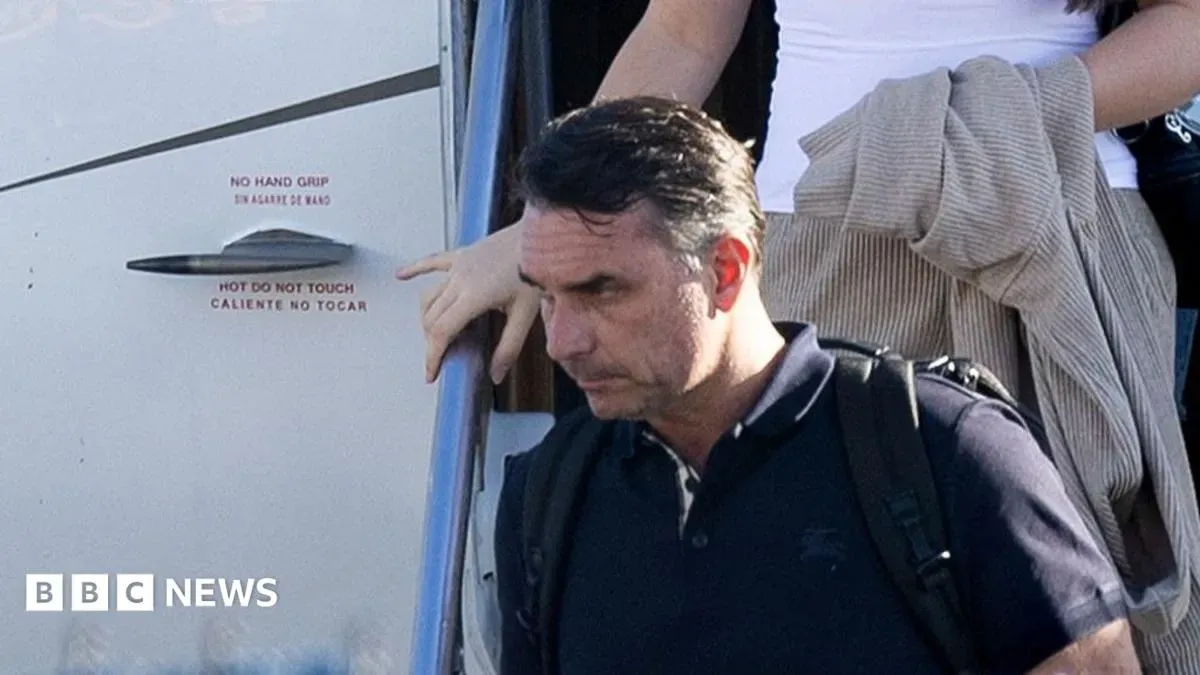
Tangui Binier, 22, who was on board the Iryo train when the crash happened, recounted the terrifying moments that followed. He described suitcases flying through the air and people screaming as the train came to a halt. The scene outside was just as chaotic, with smoke billowing from the wreckage and confusion among passengers.
Spanish journalist Antonio Jiménez Barca was walking towards the Renfe train's cafeteria when the crash occurred. He described feeling like he was being pushed from behind, thrown to the ground by an unseen force. His account provides a glimpse into the immediate aftermath of the disaster.
The aftermath of the train crash was marked by scenes of chaos and devastation. Passengers who managed to escape the wreckage described their harrowing experiences in vivid detail. One eyewitness recounted being trapped under a pile of people, with some victims suffering from severe injuries.
The impact of the crash was immense, leaving many passengers shaken and in shock. Sebastián Herrero, 46, reported seeing numerous people with broken noses and arms, while another passenger described being airborne for several seconds during the collision. The force of the impact was so great that it left a lasting impression on those who witnessed it.
The emotional toll of the disaster was evident as passengers struggled to come to terms with what they had seen. One man, visibly distraught, recounted holding a dying woman in his arms while describing her final moments. His words were met with tears from both himself and the interviewer.
As rescue efforts continued, dozens of ambulances converged on the scene, transporting those injured to nearby hospitals. Those with critical injuries were airlifted by helicopter for further treatment. The scale of the disaster was becoming increasingly clear as authorities struggled to identify victims and notify their loved ones.
The train crash has left Spain reeling once again, following a similar disaster in January that killed 46 people on the same rail line but much farther south. Prime Minister Pedro Sánchez visited the crash site, expressing his condolences and acknowledging the immense pain being felt by families affected by the tragedy.
The devastating train crash in Spain has left a nation in shock, with at least 68 people confirmed dead and many more injured. The tragedy marks one of the country's worst rail disasters since 2013, when 80 lives were lost on the outskirts of Santiago de Compostela.
Criticism is mounting against the government, with opposition leader Alberto Núñez Feijóo calling for transparency into Spain's infrastructure management. He emphasized that citizens have a right to know what is happening behind the scenes in terms of maintaining and upgrading the country's transport systems.
Spanish trade union CSIF has condemned the transport minister for shifting blame from systemic failures to human error, urging him to take responsibility for ensuring passenger safety. The union's demand for his resignation reflects growing discontent among citizens who feel that accountability is being sidestepped.
The prime minister has vowed to conduct a thorough investigation into the cause of the crash, pledging to address any negligence or security system failures with utmost firmness." His commitment to getting to the bottom of this tragedy marks a solemn promise to the families and loved ones affected by the disaster.
Facts based on reporting originally published by BBC News World.
You may republish this story, in full or in part, if you credit Noti Group and link to it (licence CC BY 4.0). Photos are not included.