




The Body Series Falls Short in Execution and Character Development
The Netflix drama attempts to combine elements of horror, drama, and satire but ultimately fails to deliver a lasting impact.
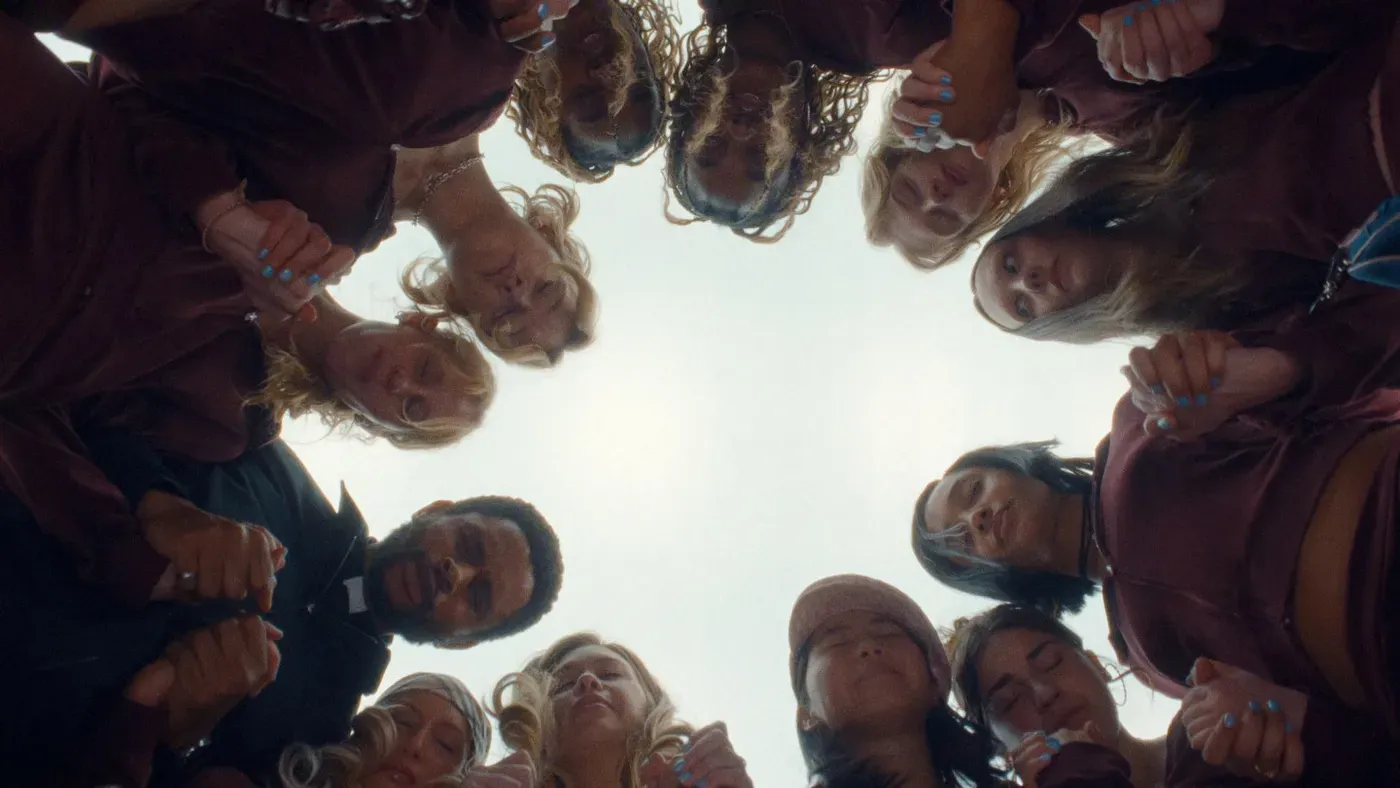
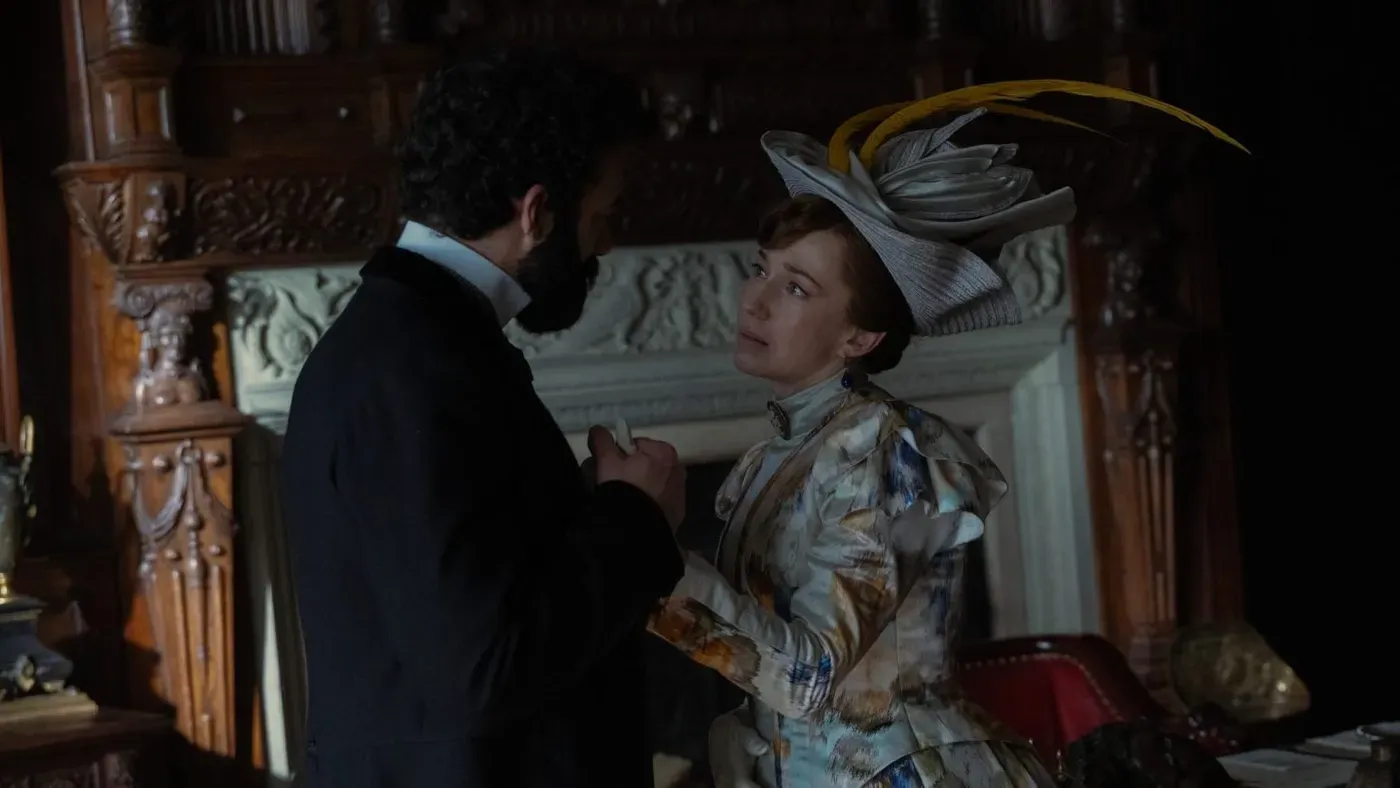
Netflix's latest drama series, The Body, offers a glimpse into the lives of the girls at St. Marks Catholic High School. However, their behavior is far from saintly as they engage in partying, gossip, and secret-keeping during school hours.
The show attempts to combine elements of horror, drama, and satire but ultimately falls short in its execution. The eight-hour series is marred by uneven character development and underexplored ideas that fail to leave a lasting impact.
Despite its ambitious premise, the Netflix drama struggles to find its footing and stake its claim among other shows in its genre. This is particularly evident in its failure to delve deeper into its characters and plot points, instead relying on surface-level exploration of themes.
The show's creators have undoubtedly drawn inspiration from various pop culture influences, but it remains to be seen whether The Body will carve out its own unique identity within the world of television drama.
The show's creators have undoubtedly drawn inspiration from various pop culture influences, but it remains to be seen whether The Body will carve out its own unique identity within the world of television drama.
The series is set in 2004 and follows the all-female dance troupe, the Lions, at St. Marks' Catholic school. The team's situation is precarious, having lost a key member just before regionals, and they're holding tryouts to fill the gap. Among the hopefuls is Grace, who seems like a model student but is met with skepticism by co-captains Elise and Anya.
The tryouts are a crucial moment in the show, as it sets the stage for what's to come. The dance troupe's dynamics are already tense, and the pressure to perform well at regionals only adds to the stress. The costume designer has meticulously recreated the look of 2004, with characters sporting velour tracksuits, Motorola flip phones, and Balenciaga handbags.
The first signs of trouble emerge after a new girl is chosen for induction into the team, marking a turning point in the series. A Halloween hazing ritual goes awry, leading to strange visions and inexplicable occurrences that escalate into community-wide hysteria. The origins of these events are left ambiguous, leaving viewers wondering whether they're divine, demonic, or purely psychological.
The show's most unsettling element is its portrayal of a new student at the Catholic school, who seems like an unlikely fit for her surroundings. Lisbeth, played by Geena Meszaros, has a painfully awkward demeanor and plain appearance that sets her apart from her peers. Her bleached eyebrows are just one aspect of her unconventional look.
Lisbeth's living situation is equally unorthodox - she resides in a shabby house funded by the Church, with a strict fundamentalist mother who seems to be exerting a significant influence over her daughter's life. When Lisbeth is invited to a party by a kind-hearted classmate named Anya, it initially seems like an act of kindness.
However, Lisbeth quickly reveals herself to be a more sinister presence, making her seem skin-crawlingly off-putting even when she's not doing much. Meszaros manages to convey a sense of unease through Lisbeth's cloying voice and awkward mannerisms, making it difficult to look away from the character.
Meszaros' portrayal of Lisbeth is noteworthy for its ability to make her seem like an elemental force, despite being a one-dimensional character with a broadly comprehensible psychology. Her coldness is palpable, making her a compelling and unsettling presence on screen.
The supporting cast in The Body struggles to leave a lasting impression, despite some commendable performances from its members. Notably, there are glimpses of chemistry between Bogic and Boustany's characters, who share a bond as best friends navigating the complexities of being queer in a society that shuns them.
Their relationship is particularly poignant when juxtaposed with the innocence and sincerity of Jackson Kelly's portrayal of Leo, Lisbeth's younger brother. His character's wide-eyed optimism serves as a stark contrast to the darkness that pervades the school, where sin and cruelty seem to reign supreme.
Gabby Windey brings some much-needed levity to her brief but memorable role as Shauna, the Lions' coach who seems more interested in being seen as aloof than actually leading her team. Her presence is a welcome respite from the film's otherwise somber tone.
The writing in The Body falls short of its potential, with characters feeling more like plot devices than fully fleshed-out individuals. Despite its lengthy runtime, the story struggles to delve deeper into its ensemble cast beyond their surface-level motivations and conflicts.
A promising storyline involving Elise and Leo is abruptly dropped once it serves its narrative purpose, leaving viewers wondering what could have been if the dynamic had been explored further. Meanwhile, Father Franklin's efforts to uncover the truth only add to the drama but fail to provide any meaningful insight into his character's inner workings or faith crisis.
The show's exploration of themes and ideas often falls short of delivering a truly impactful experience. While it touches on some intriguing concepts, it hesitates to delve into more complex or thought-provoking territory.
A notable example is its use of religious iconography and sexual imagery. The show's aesthetic frequently blurs the line between these two elements, as seen in the Halloween costumes worn by the girls, which juxtapose "slutty angel" and "slutty God" themes. However, it fails to take this connection further, instead opting for a more superficial approach.
The program also attempts to make connections to contemporary issues, but its efforts are half-hearted at best. It hints that the characters' experiences can be linked to current events, such as the Iraq War and the popularity of shows like The Simple Life. However, these references feel too vague and disconnected to have any significant impact.
A brief appearance by Donald Trump as host of The Apprentice is another example of the show's reliance on superficial nods to historical context. While it might seem like an attempt to add depth to the narrative, it ultimately feels like a shallow reference that fails to contribute meaningfully to the story.
The show's use of nostalgia for its chosen time period also raises questions about its intentions and execution. Rather than using this setting as a genuine backdrop for exploration, The Body seems content with merely referencing it in a way that feels superficial or gimmicky.
The film's attempt to tap into deeper meaning feels shallow, given its setting of a Catholic school. This is particularly ironic, as it raises questions about the purpose and significance of religion in people's lives. After all, what do religious institutions promise their followers but transcendence and a sense of connection to something greater than themselves?
The Body's failure to deliver on this front is a major disappointment, especially given its modest successes elsewhere. Ultimately, the film remains rooted firmly in the everyday world, eschewing any more profound exploration of human experience.
Facts based on reporting originally published by The Hollywood Reporter.
You may republish this story, in full or in part, if you credit Noti Group and link to it (licence CC BY 4.0). Photos are not included.