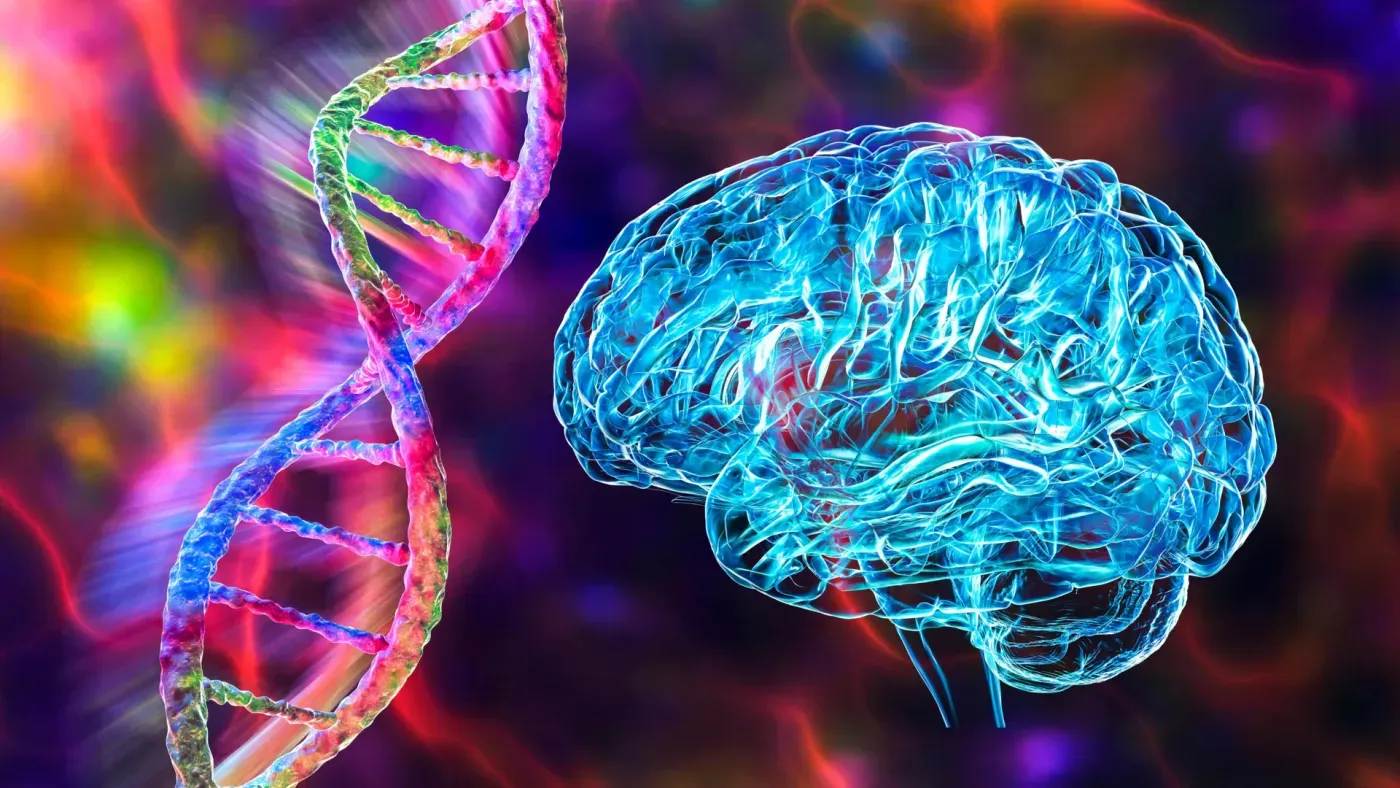







Tau protein buildup contributes to brain cell loss in Alzheimer's disease
Researchers have identified a way to interrupt the damaging immune response by blocking the entry of certain immune cells into the brain, potentially offering a new pathway for preventing neurodegeneration in Alzheimer's disease.
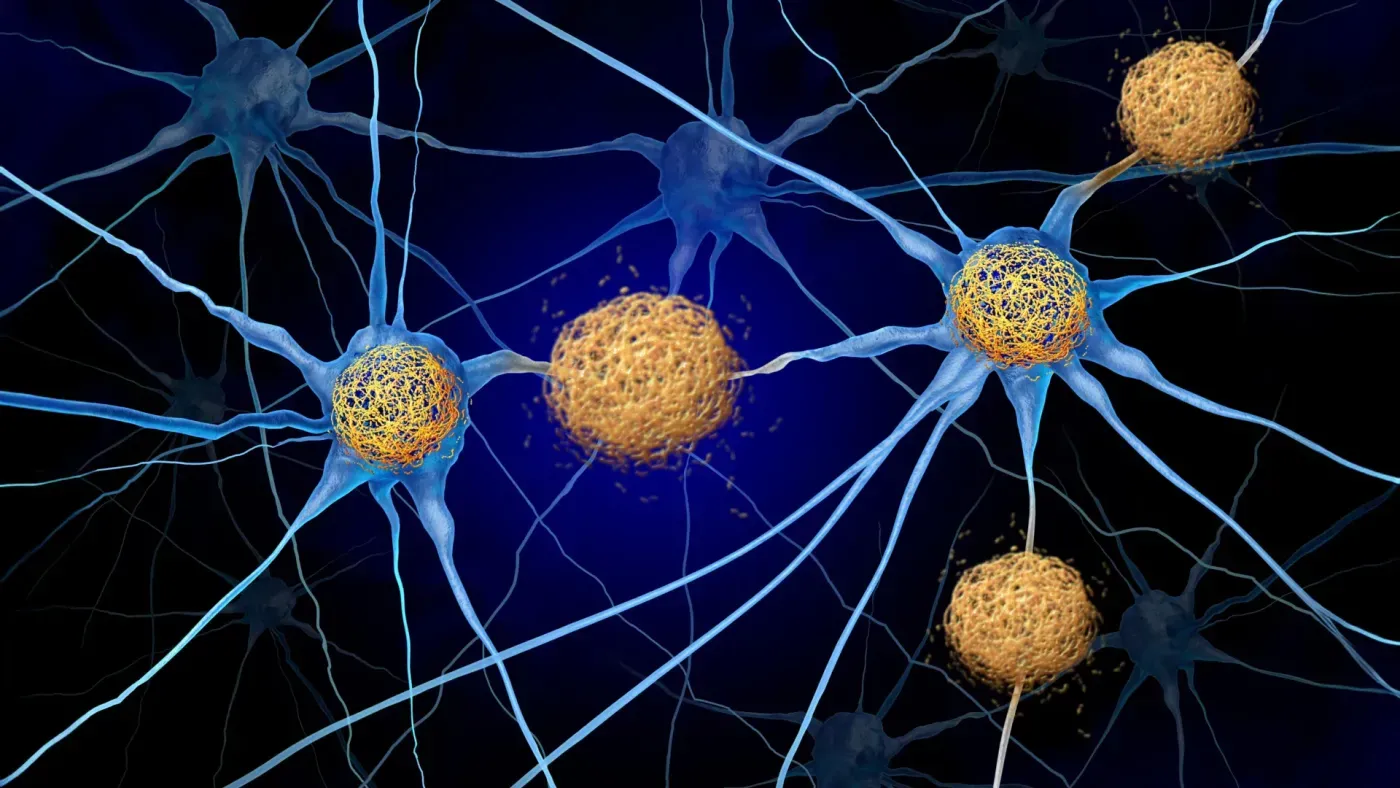
Researchers have made a significant breakthrough in understanding Alzheimer's disease and related neurodegenerative conditions. These disorders, known as tauopathies, involve the abnormal buildup of protein called tau inside the brain, leading to neuronal death.
The accumulation of tau tangles triggers an immune response that contributes significantly to brain cell loss and memory decline. However, studies suggest that the tau protein itself may not be responsible for most of the damage. Instead, the body's reaction to it plays a major role in the progression of these diseases.
A promising strategy has emerged from research conducted at Washington University School of Medicine in St. Louis. Scientists have identified a way to interrupt the damaging immune response by blocking the entry of certain immune cells into the brain.
Researchers used an antibody to block a protein called CXCR3, which helps T cells enter the brain. The treatment was administered over several months to mice with tau accumulation similar to that seen in Alzheimer's patients. As a result, the number of T cells inside the brain fell by approximately half.
The outcome of this study was striking, as animals receiving the antibody retained roughly 40% more tissue in brain regions involved in memory and performed better on a memory test compared to untreated mice. Notably, the amount of accumulated tau remained unchanged despite these improvements.
Despite some promising results, there is still no treatment that effectively decreases neurodegeneration in Alzheimer's disease. The findings suggest that interrupting the immune response may be a viable pathway for preventing the devastating consequences of these diseases.
The prevailing approach in Alzheimer's treatment involves targeting amyloid plaques that form between brain cells in early stages of the disease. Medications like lecanemab and donanemab aim to remove these amyloid deposits, which hinder communication between neurons and contribute to tau tangle formation within cells. However, this method has yet to prevent neuronal death despite slowing cognitive decline.
Alzheimer's is classified as a secondary tauopathy because it involves both abnormal amyloid and tau accumulation. In contrast, primary tauopathies occur when tau accumulates without the presence of amyloid. Current treatments targeting amyloid have not been shown to be effective in these cases.
Research has been exploring alternative approaches to address Alzheimer's and related diseases. A study published last year revealed that T cells enter the brains of mice with abnormal tau accumulation, concentrating in regions with high tau levels and contributing to neurodegeneration.
Studies suggest that immune cells may hold the key to addressing Alzheimer's brain damage. Research has shown that these cells originate from lymph nodes outside the brain, providing a potential pathway for therapeutic intervention.
In this context, targeting the immune system could offer an alternative approach to treating Alzheimer's without requiring drugs to cross the blood-brain barrier or remove tau deposits.
Researchers have been trying to understand how activated T cells reach the brain, where they can cause damage in conditions like Alzheimer's disease.
T cells navigate through the body by responding to chemical signals called chemokines, which serve as a guide for their movement. In previous experiments, elevated levels of CXCL10, a specific type of chemokine, were found in mice with tau accumulation and also in people with Alzheimer's disease.
Activated T cells carry a receptor on their surface that allows them to recognize and respond to CXCL10 signals. This relationship suggests that the interaction between CXCL10 and its matching receptor, CXCR3, might be responsible for guiding harmful T cells into the brain.
To investigate this further, researchers studied mice with abnormal tau deposits similar to those found in Alzheimer's disease. They looked at how these mice responded when they were genetically modified to lack either CXCL10 or its corresponding receptor on T cells.
When CXCL10 was absent or when T cells lacked the CXCR3 receptor, activated immune cells could not infiltrate the brain. Even when inflammation was triggered to stimulate an immune response, this protection persisted in both cases.
This discovery has significant implications for understanding how Alzheimer's disease progresses and may suggest new ways of preventing further damage to brain tissue.
The study has revealed that mice treated with an antibody targeting T cells showed significantly reduced signs of neuronal injury and retained more brain tissue compared to untreated animals.
Notably, this protective effect was observed without any noticeable decrease in tau tangles, suggesting that limiting the immune response can mitigate neurodegeneration even when underlying protein deposits remain intact.
Researchers also found that the antibody did not penetrate the brain tissue itself but rather reached the boundary of the brain, opening up a potential new avenue for treatment. This approach could avoid one of the major challenges in developing neurological treatments: getting drugs past the blood-brain barrier.
The study's findings have significant implications for Alzheimer's research and may pave the way for novel therapeutic strategies. By targeting immune activity from outside the brain, scientists may be able to reduce neurodegeneration without having to develop drugs that can cross the blood-brain barrier.
Researchers believe that medications already used to control T cells in other diseases could provide a starting point for further investigation. Medications used to treat multiple sclerosis and other autoimmune conditions might also have potential in reducing Alzheimer's-related brain damage, according to Holtzman.
Researchers are exploring new avenues in Alzheimer's treatment by targeting immune responses that contribute to neuron destruction.
This approach marks a significant departure from current strategies focused solely on abnormal proteins associated with neurodegeneration.
According to study findings, tauopathies - characterized by the buildup of toxic tau protein - can be treated using T-cell therapy, which has traditionally been used to combat autoimmune disorders.
The use of this therapeutic approach could simplify treatment development, as it does not require designing drugs that can cross the blood-brain barrier, a significant challenge in neurodegenerative disease research.
This new strategy raises the possibility that protecting the brain from harmful immune activity could become an essential component of treating Alzheimer's and other tauopathies.
Research on Alzheimer's disease has taken a significant turn with the development of a new strategy that targets the toxic tau protein in the brain without removing it. This approach focuses on modulating the immune system to prevent its overactive response from causing further damage.
The innovative method is based on the understanding that the immune system plays a crucial role in exacerbating Alzheimer's symptoms, and by controlling this activity, it may be possible to slow or halt disease progression.
Facts based on reporting originally published by ScienceDaily Health.
You may republish this story, in full or in part, if you credit Noti Group and link to it (licence CC BY 4.0). Photos are not included.