



COVID-19 May Cause Lasting Damage to Sense of Taste
Researchers have made a groundbreaking discovery that could explain why some people continue to struggle with tasting food even after recovering from COVID-19, shedding new light on the lasting effects of the virus on taste buds.
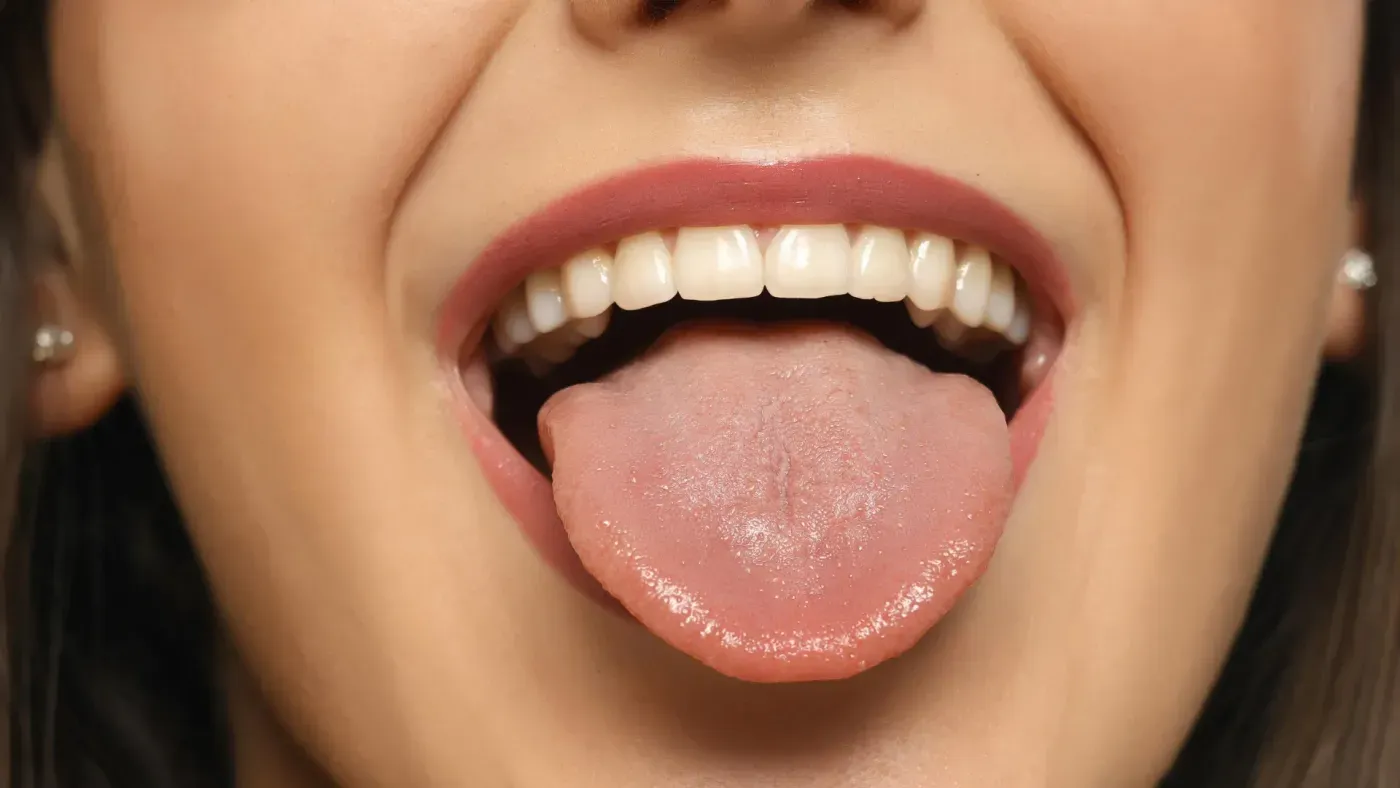
Researchers have made a groundbreaking discovery that could explain why some people continue to struggle with tasting food even after recovering from COVID-19. The study, which sheds new light on the lasting effects of the virus on taste buds, points to disruptions in molecular signals responsible for detecting certain flavors.
The investigation involved analyzing tissue samples from 20 participants who had experienced persistent taste disturbances for over a year following their infection. None of these individuals had been hospitalized for COVID-19. The findings suggest that some people may be more susceptible to lasting damage to their sense of taste as a result of the virus.
Eight out of 28 participants displayed abnormal taste scores, with many struggling to detect specific flavors such as sweet, bitter, and umami. These flavors are commonly associated with foods like mushrooms and broth. In contrast, the ability to detect salty and sour tastes remained relatively intact in these individuals.
The researchers collected tissue samples from the taste buds of 20 participants to identify any underlying biological abnormalities that could be contributing to these unusual patterns of flavor detection.
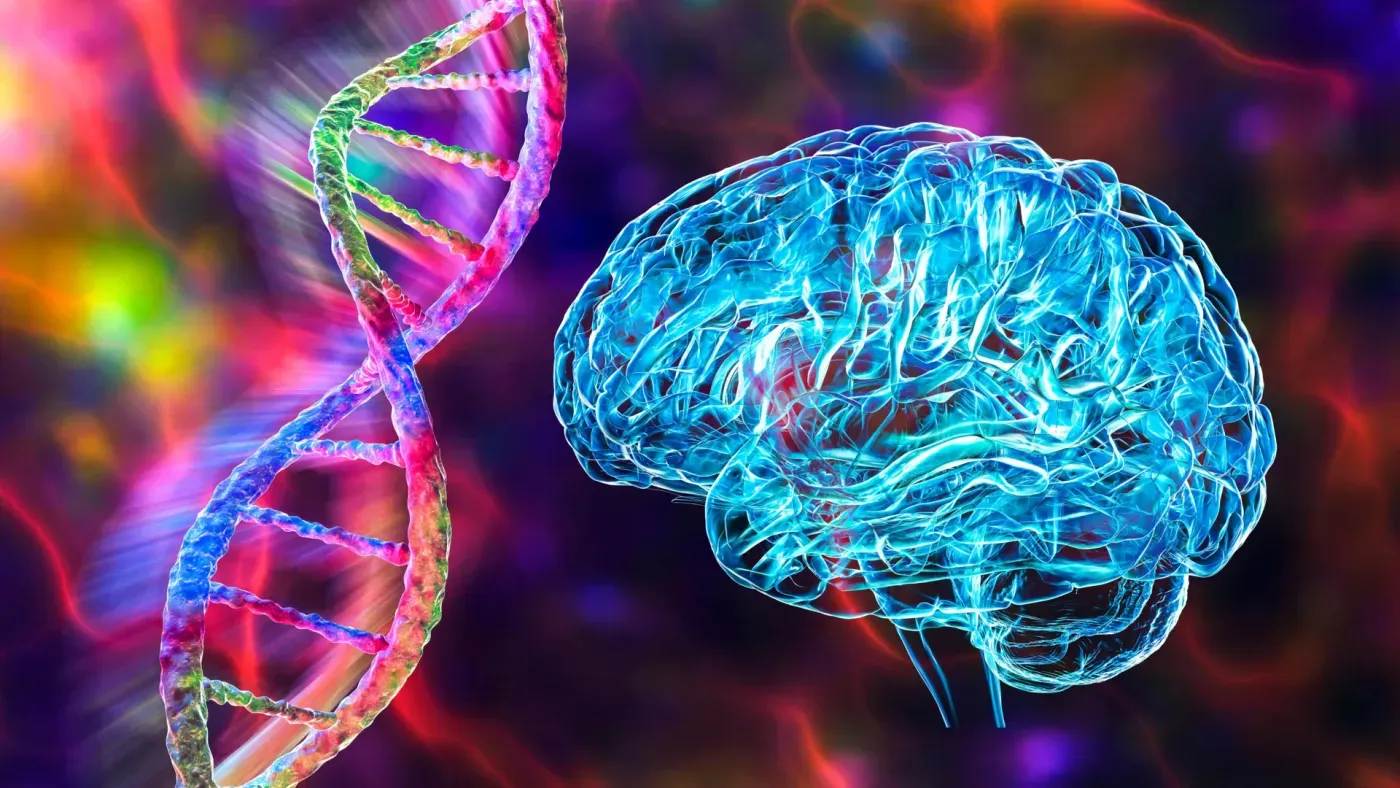
The researchers made a groundbreaking discovery about the molecular defect that affects some people's ability to taste food after COVID-19. They found reduced amounts of messenger RNA involved in producing PLCβ2 protein in the taste cells of affected individuals.
This crucial protein plays a key role in how taste receptor cells communicate with the brain, amplifying signals generated when the tongue detects sweet, bitter, and umami flavors. Without sufficient levels of PLCβ2, those signals become too weak to register normally, which could explain why some people struggle to taste certain flavors.
According to Dr. Thomas Finger, a professor of cell and developmental biology at the University of Colorado Anschutz, PLCβ2 acts like a molecular amplifier inside taste cells. It strengthens the signal before it's transmitted to the brain, allowing us to experience different tastes.
The discovery also sheds light on why some flavors are affected more than others. Cells responsible for detecting salty and sour tastes use distinct signaling mechanisms that don't depend on PLCβ2, potentially allowing those sensations to remain intact even when other taste signals are disrupted.
The researchers conducting this study have made another significant discovery about the lingering effects of COVID-19 on taste function. In addition to molecular signaling abnormalities, they found changes in the physical arrangement of taste cells when examining taste bud tissue under a microscope.
These structural changes were observed in some participants, who had either normal-looking taste buds or disorganized structures, suggesting that both molecular and architectural issues may be contributing to persistent taste dysfunction. The researchers' findings indicate that multiple biological disruptions are involved in lingering taste problems after COVID-19.
The study's results also shed light on why some people experience long-lasting taste loss despite their bodies' ability to replace taste cells. Normally, taste cells are renewed every two to four weeks, but the molecular processes necessary for normal taste signaling may remain disrupted for much longer in some individuals.
This discrepancy raises questions about how and why some people's taste function recovers more slowly than others after COVID-19 infection. The study provides measurable biological evidence that could help explain this phenomenon and inform treatment strategies for those affected.
The discovery of long-term taste disruption in some post-COVID patients provides measurable evidence that sheds light on a previously unexplained symptom.
While this breakthrough offers new insights into the molecular abnormalities affecting these individuals, further research is necessary to determine whether these disruptions can eventually return to normal and if treatments could help restore healthy taste signaling.
Ultimately, understanding the biological mechanisms behind long-term taste disruption will be crucial in developing effective treatment strategies for those affected.
Facts based on reporting originally published by ScienceDaily Health.
You may republish this story, in full or in part, if you credit Noti Group and link to it (licence CC BY 4.0). Photos are not included.