





Social media restrictions set to reshape film industry strategies
The European Union is exploring measures similar to Australia's ban on social media for minors, which may have far-reaching implications.
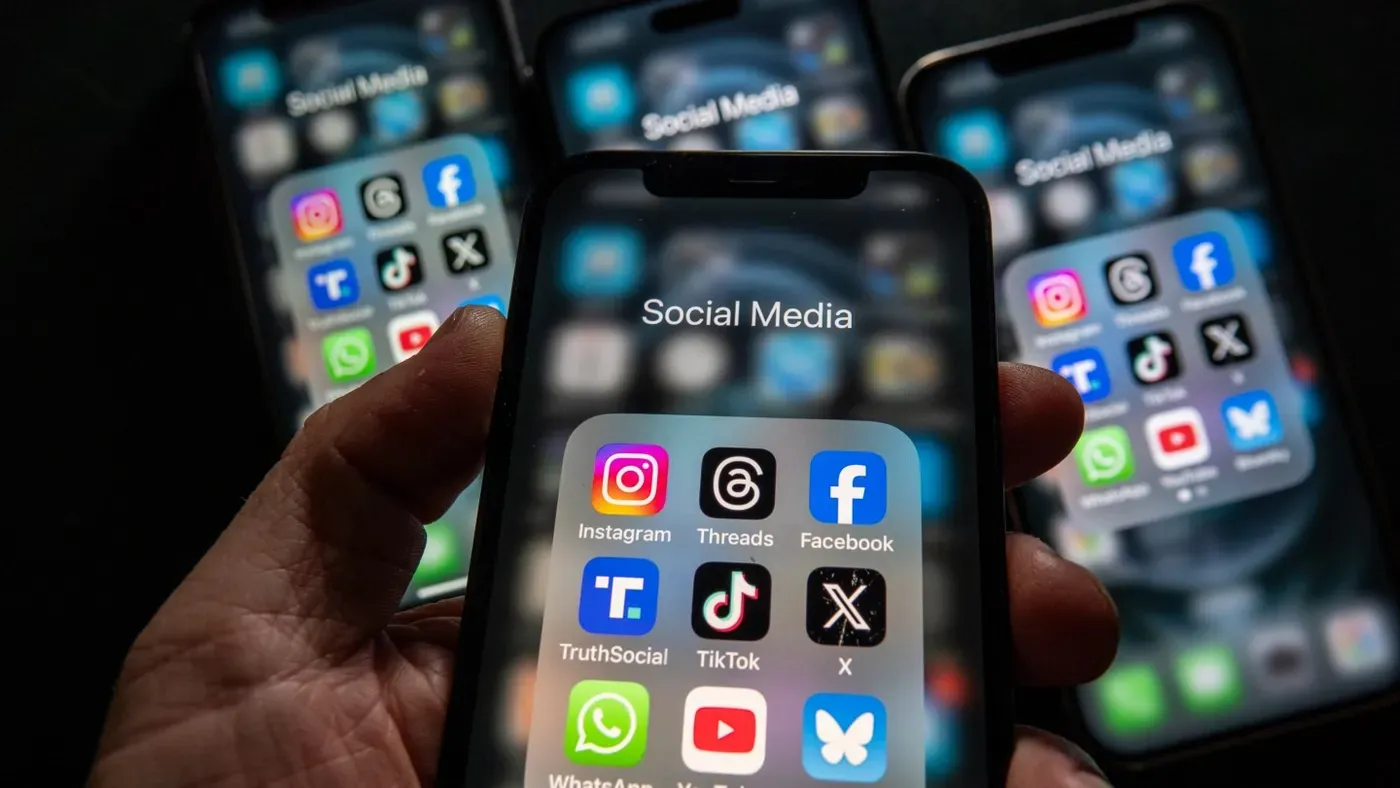
Australia has led the way by introducing strict social media rules for minors, banning access to all social media platforms for those under 16. Meanwhile, the United Kingdom is set to follow suit in 2027, while the European Union is exploring similar measures that could have far-reaching implications.
The film industry is closely watching these developments as Gen Z and Gen Alpha audiences have become crucial drivers of box office success. These young viewers often discover movies through short social media videos and memes that create cultural buzz around a particular film. With access to social media potentially restricted, the discovery process for many movies could be significantly altered.
The impact on the industry will likely be significant, as studios and marketers rely heavily on social media platforms to reach their target audience. The shift in how young people discover and engage with cinema could reshape the entire marketing strategy of film studios.
Industry professionals gathered at the Industry@Tallinn & Baltic Event (ITBE) market for a session titled "The New Underground: Film Discovery in the Age of Social Media Restrictions," which sparked lively discussion about the potential consequences of these restrictions.
As social media restrictions gain traction worldwide, experts are weighing in on their potential impact on film studios and marketers. In a recent session at the Industry@Tallinn & Baltic Event market, researchers shared data highlighting an unexpected silver lining for cinema attendance.
A study of UK youth found that 42% of respondents said they might spend more time watching films in movie theaters once social media restrictions are implemented. This trend is mirrored in Australia, where a quarter of kids reported watching more movies in cinemas since the ban took effect.
Interestingly, the data also suggests that in-home entertainment has experienced a significant boost, with 42% of respondents mentioning an increase in home movie viewing and 39% citing more TV time at home. The rise of at-home entertainment raises questions about what draws young audiences to cinema.
Researchers believe that offering unique live experiences will be key to attracting younger viewers in a post-social media world. This could include premium large-format screenings, virtual reality or 2D showings, and special effects-driven events like those featuring wind, lights, or seat movement.
The emphasis on immersive experiences may also lead film studios and marketers to explore new formats for movie-going, potentially driving innovation in the industry as a whole.
As film studios and marketers navigate the changing landscape of social media bans in cities like Tallinn, one crucial question emerges: are these restrictions truly effective? Research has shown that even in countries where bans have been implemented, a significant number of minors still find ways to access social media platforms. For instance, studies have found that around 70 percent of Australian children under the age of 16 have some form of online presence.
This trend is likely to be replicated in other countries, such as the U.K., and potentially elsewhere in the world. Navaratnam-Blair's prediction seems ominous: "I do think there’s going to be a subversion of the ban itself."
Facts based on reporting originally published by The Hollywood Reporter.
You may republish this story, in full or in part, if you credit Noti Group and link to it (licence CC BY 4.0). Photos are not included.