








Sleep paralysis affects millions worldwide, causing temporary paralysis and fear
Harvard neuroscientist Baland Jalal has dedicated his career to studying this condition in his book The Phantom Mind.
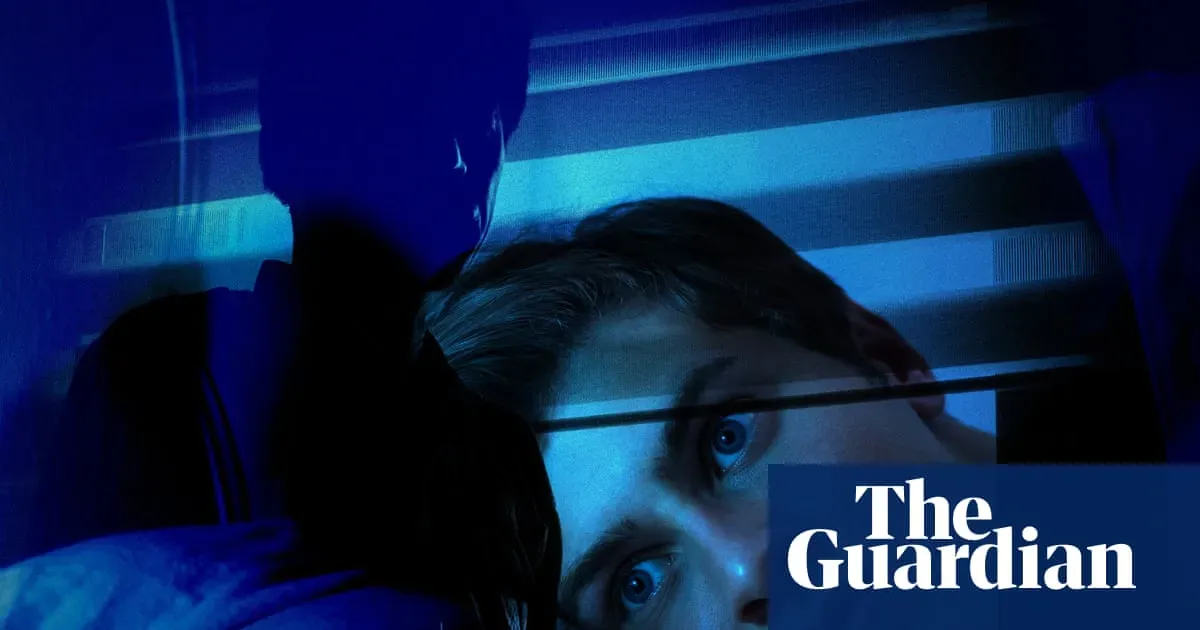
A Harvard neuroscientist has dedicated his career to studying a phenomenon that affects millions worldwide - sleep paralysis, a condition where the brain temporarily freezes, leaving its host paralyzed and terrified.
Baland Jalal's work is centered on understanding this mysterious state, which can cause lasting trauma due to its intense fear factor. Jalal notes that the human mind is capable of incredible feats, from contemplating vast galaxies to pondering spirituality, yet it remains a vastly underexplored subject.
Jalal's new book, The Phantom Mind, delves into the world of sleep paralysis, arguing that by studying this condition, we can gain a deeper understanding of how our minds work. He believes that exploring the borderlands of sleep can reveal secrets about consciousness and the workings of the human brain.
Sleep paralysis is more common than people think, with up to one in five individuals experiencing it at least once. Despite its prevalence, many have never heard of this condition or don't understand what causes it.
Jalal's own experiences with sleep paralysis began during his late teens when he was unable to find any information about the phenomenon online. He recalls waking up feeling paralyzed and sensing an evil presence in his room, which felt like a moment of peak fear from a horror movie.
The experience left him shaken and trying to make sense of it. Jalal struggled to convey the intensity of what had happened to friends, who couldn't understand why he was so terrified by something that seemed unreal.
As someone who has studied sleep paralysis extensively, Jalal is well aware of how real it feels to those who experience it. He believes that this phenomenon offers a glimpse into the workings of the human mind and its capacity for imagination and fear.
Jalal's work on sleep paralysis has not only shed light on this condition but also sparked a deeper interest in the mysteries of consciousness. His research suggests that by exploring the boundaries between wakefulness and sleep, we can uncover new insights about the human experience.
Despite his extensive knowledge of the subject, Jalal still finds himself fascinated by the enigmatic nature of sleep paralysis. He believes that understanding this phenomenon holds the key to unlocking secrets about the workings of our minds.
The experience of sleep paralysis is often described as a terrifying and intense feeling, with many people struggling to reconcile what they experienced with reality.
Jalal's experiences with sleep paralysis began when he was a teenager growing up in a tough neighborhood in Copenhagen. He vividly recalls one particular episode where he felt like a ghost was trying to kill him. This experience left such an impression on him that he decided to study the phenomenon of sleep paralysis.
He pursued his interest in sleep paralysis by studying at the American University in Cairo, where he received scholarships and dedicated himself to learning more about this mysterious condition. Jalal's academic pursuits took him from Cairo to California, Cambridge, and eventually Harvard, where he earned a PhD.
During an episode of sleep paralysis, people often find themselves awake, yet unable to move or speak. One girl Jalal mentioned had the terrifying experience of seeing herself transform into a monstrous creature while lying in bed, unable to move despite being fully aware of her surroundings.
This blurring of the lines between the dream world and reality is a hallmark of sleep paralysis. According to Jalal, it's as if the brain is experiencing a glitch, where the sensory cortex awakens and mixes with the brain's attempt to understand what's happening. This can result in feelings of intense wakefulness and awareness.
The level of prefrontal activation plays a significant role in determining how awake or asleep someone feels during an episode of sleep paralysis. The prefrontal cortex is responsible for high-level thinking and awareness, and its activity can vary greatly from person to person and even between episodes.
When the brain is paralyzed, it's thought that the distressed brain tries to make sense of the situation by conjuring up a potential threat, such as an attacker or predator. This perceived threat can manifest as a presence sitting on the host's chest, suffocating them.
Jalal believes that brains are storytellers, and they join the dots to create a narrative based on available information. In the case of sleep paralysis, the brain is trying to understand why it feels trapped and helpless.
The experience of sleep paralysis can be incredibly distressing, leaving people feeling vulnerable and frightened. Jalal's research aims to shed more light on this complex condition, which affects many people worldwide.
Despite its terrifying nature, sleep paralysis remains a relatively understudied area of research. Jalal's work offers valuable insights into the neural mechanisms behind this phenomenon, providing hope for better understanding and treatment in the future.
The study of sleep paralysis has far-reaching implications for our understanding of the brain and its functions. By exploring the complexities of this condition, researchers like Jalal can gain a deeper understanding of how our brains process information and respond to threats.
Sleep paralysis can leave individuals feeling like they're sharing a space with an unseen presence. Researchers have proposed that this phenomenon may be linked to distortions in the brain's sense of body image. This distortion can cause people to hallucinate bodily figures, making them feel as though there's a ghostly entity present.
Some sufferers report experiencing a doppelganger-like figure during episodes of sleep paralysis. This can lead to feelings of confusion and disorientation, as individuals question their own identity. For instance, they may wonder if the person they see in front of them is the real self or an imposter.
The sense of agency that people typically experience during waking hours becomes muddled when they're unable to move or speak due to sleep paralysis. This can result in a distorted perception of reality, as individuals struggle to make sense of their surroundings.
Sleep paralysis often affects individuals who are lying down and trying to escape the condition's paralyzing effects on their body. As the brain attempts to regain control over the muscles, there's significant misfiring that can distort the individual's body image structures.
The level of fear experienced during sleep paralysis is influenced by the activation of the limbic system, particularly the amygdala. If this region becomes overly active, it can amplify fear and lead to more intense hallucinations. This means that individuals who are already anxious or stressed may experience more severe episodes of sleep paralysis.
Anxiety plays a significant role in triggering sleep paralysis, with many people experiencing recurring episodes due to their mental state. In some cases, the condition can even trigger post-traumatic stress disorder (PTSD) in individuals who have experienced traumatic events.
Research has shown that the body's physiological response to stress is heightened during sleep paralysis. A study published in 2004 found that participants who listened to audio recordings of themselves describing their most terrifying episodes of sleep paralysis exhibited increased heart rates and excessive sweating.
The findings from this study were comparable to those observed in individuals who had experienced PTSD trauma. This suggests that the body's response to stress can be a contributing factor to the development of sleep paralysis, particularly in individuals with anxiety disorders.
The experiences of those who suffer from sleep paralysis can be quite vivid and unsettling, often involving hallucinations of monsters or entities that feel all too real.
According to Jalal, these hallucinations are not just dreams but actual perceptions that occur while the person is awake yet unable to move or speak. He attributes this phenomenon to the brain's activation of specific receptors, particularly those associated with serotonin 2A.
This chemical plays a significant role in regulating emotions such as fear and dread, which can become overwhelming when these receptors are activated. Jalal likens it to a bad trip on psychedelic drugs, where the brain struggles to cope with the intense sensations.
When experiencing sleep paralysis, individuals often try to shake themselves or make noise to rouse their partner, in an attempt to break free from the episode. Occasionally, this can be successful, allowing the person to escape the hallucination.
However, Jalal warns that attempting to move during a sleep paralysis episode can sometimes have the opposite effect, causing the experience to intensify and become even more terrifying. The pressure on the chest, spasming limbs, and overwhelming panic make for a truly frightening combination.
Cultural influences also play a significant role in shaping the nature of these hallucinations, with Jalal suggesting that they often reflect the individual's fears and anxieties. He compares it to a Ouija board, where the unconscious mind fills in the blanks based on the person's thoughts and desires.
Research has identified certain common entities that appear during sleep paralysis episodes, including the "hat man", which bears some resemblance to Freddy Krueger from popular culture. The specific entity seen can be influenced by the individual's interests and cultural background.
In Jalal's view, the fact that these hallucinations are based on real fears and anxieties is what makes them so believable and unsettling, making it difficult for individuals to distinguish between reality and fantasy during an episode.
Sleep paralysis is a phenomenon that has a significant cultural presence in certain countries, such as Italy and Egypt.
In these cultures, sleep paralysis is often associated with supernatural entities or monsters that are said to visit individuals during the night.
People from these backgrounds may develop a persistent fear of sleeping due to their past experiences with sleep paralysis.
This can create a vicious cycle where individuals become increasingly anxious about falling asleep, leading to more frequent episodes of sleep paralysis.
As a result, some people may experience chronic sleep paralysis, which can last for extended periods and significantly disrupt daily life.
Jalal has reported instances where individuals claimed that their attacks lasted up to an hour, but he believes these accounts are likely exaggerated.
Typically, sleep paralysis episodes in lab settings have been observed to last only a few seconds or minutes before the brain readjusts and normal function is restored.
The sensory cortex is unable to maintain the state of limbo associated with sleep paralysis for extended periods.
In one case, an individual reported that their episode felt like just a few terrifying minutes, despite its intense nature.
Jalal has been working on developing strategies to break the anxious feedback loop associated with chronic sleep paralysis.
The publication of The Phantom Mind: Insights from the Borderlands of Sleep by Baland Jalal marks a significant contribution to understanding sleep paralysis. This condition, characterized by temporary inability to move or speak while falling asleep or waking up, has long been shrouded in mystery.
Jalal's work delves into the psychological and neurological aspects of this phenomenon, offering insights that may help break its grip on sufferers. The book's publication coincides with growing interest in sleep-related issues, underscoring the importance of exploring these complex phenomena.
Facts based on reporting originally published by The Guardian Life and Style.
You may republish this story, in full or in part, if you credit Noti Group and link to it (licence CC BY 4.0). Photos are not included.