




Rising Floodwaters Threaten Civilians in Southern Somalia
Floodwaters along the River Juba in southern Somalia are rising rapidly, threatening civilians who have fled their homes due to airstrikes on al-Shabaab territory.
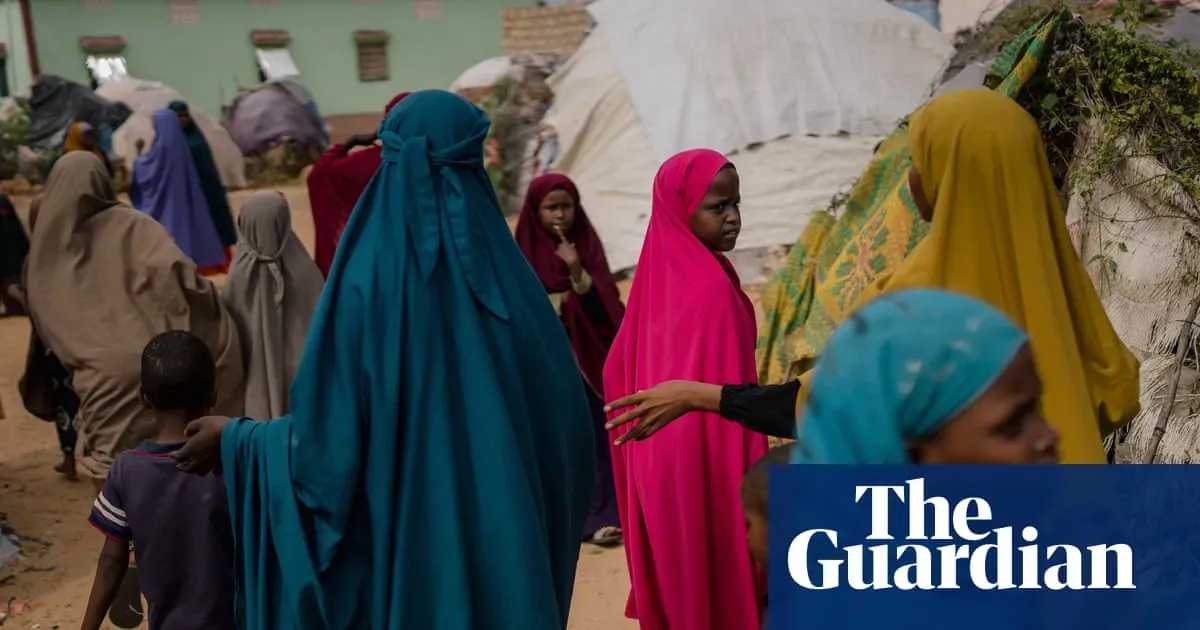
Floodwaters are rising rapidly along the River Juba in southern Somalia, threatening the safety of civilians who have been forced to flee their homes due to repeated airstrikes on territory held by al-Shabaab militants.
The city of Jilib is under attack, with residents describing constant bombardment from drones that has caused significant destruction and civilian casualties. A mother of six, Cayni Ali, said her home was no match for the rising water levels, which had already reached her waist just five meters away from the river's edge.
Ali's account is not unique, many residents have been forced to seek refuge alongside the River Juba due to the airstrikes, which have made it difficult to move around the city. Asho Omar from Malenda, a village near Jilib, described the constant bombardment as "everywhere" and said that "so many people have been killed".
The ongoing conflict is a complex and shadowy war, with little accountability for harm to Somali civilians. The United States Africa Command (Africom) has refused to share details of its military strategy in east Africa, citing operational security concerns.
However, sources suggest that the US may be seeking to exploit the El Niño weather pattern to drive out al-Shabaab militants by "weaponising the floods. This would involve using the strengthening rainy season to drown those living in al-Shabaab territory.
The humanitarian situation in Jilib is dire, with bodies reportedly lying in the streets due to civilian casualties from the airstrikes. Residents describe a city dealing with significant destruction and trauma, with many forced to flee their homes due to the conflict.
As the situation continues to unfold, concerns are growing about the impact of US military strategy on Somali civilians. With the rainy season set to intensify from this month, the risk of further displacement and harm to innocent people is escalating.
As the rainy season approaches in Somalia, concerns are mounting about the impact of US airstrikes on vulnerable populations in flood-prone areas.
The US military's actions have been criticized for putting women and children at risk, forcing them to flee to areas that are likely to be affected by El Niño-driven floods.
A source monitoring the Juba floodplain has described the situation as extremely aggressive, with people being pushed into harm's way. The official narrative of targeting military positions and al-Shabaab is seen as flawed, given the group's embedded presence within communities.
The use of mapping data from flood-prone areas, originally intended to mitigate civilian casualties, has been questioned by analysts. This data could be used to inflict harm on civilians caught in the path of El Niño-driven floods.
Researchers have pointed out that using humanitarian remote sensing for military gain is a reversal of its original purpose, to reduce harm, not cause it. The cumulative impact of sustained airstrikes during an El Niño flooding context can be devastating.
US officials deny exploiting climatic factors, claiming they do not target civilians and do not use weather or flooding as a method of warfare. However, the opportunity to weaken al-Shabaab using extreme weather conditions may have been too enticing to resist.
Jilib's location on a low-lying plain makes it chronically vulnerable to flooding, with vast swaths of farmland submerged during previous El Niño events. The city's residents are bracing themselves for another catastrophic event.
The destruction caused by floods is not limited to infrastructure; entire communities have been displaced and livelihoods destroyed in the past. As the rainy season intensifies, fears are growing about the scale of potential casualties.
As the rainy season intensifies, fears of catastrophic flooding continue to grow in Somalia's southern regions. In villages such as Ahmed Yare, residents like Arbey Famu are bracing themselves for the worst, expecting this El Niño to be more severe than the previous one in 2023.
Famu's crops of maize and sorghum have already been submerged underwater, a testament to the escalating flood situation in Jilib. The 70-year-old resident's concerns echo those of many others in the area, who are waiting anxiously for the full impact of El Niño to be felt.
UN agencies have identified the Juba River basin as a region of particular concern, warning that severe flooding is imminent. Meanwhile, US defence officials will likely be monitoring the situation closely, aware that any early indicators of El Niño's impact in al-Shabaab's heartland could have significant implications for their military operations.
Ground forces and airstrikes have been used to attack Jilib, but these tactics come with significant risks, including the potential for heavy civilian casualties. The city has a population of over 100,000, making it a challenging target for military operations.
Ali Adan Ali, the commissioner for displaced people in Jubaland, is deeply concerned about the lack of resources available to deal with the impending disaster. His office in Kismayo has identified 327 regions prone to flooding, but only half of these areas have received El Niño warnings.
The absence of boats in al-Shabaab territory is a major concern for Ali, who fears that thousands of people could be trapped on the east side of the river, unable to reach help in Kismayo. This situation echoes what happened three years ago during the last El Niño, when 19,000 people were stranded without food for a week.
The River Juba has been issuing flood advisories, warning communities to reinforce weak riverbanks due to rising waters. However, this is not the only concern for residents in areas affected by El Niño.
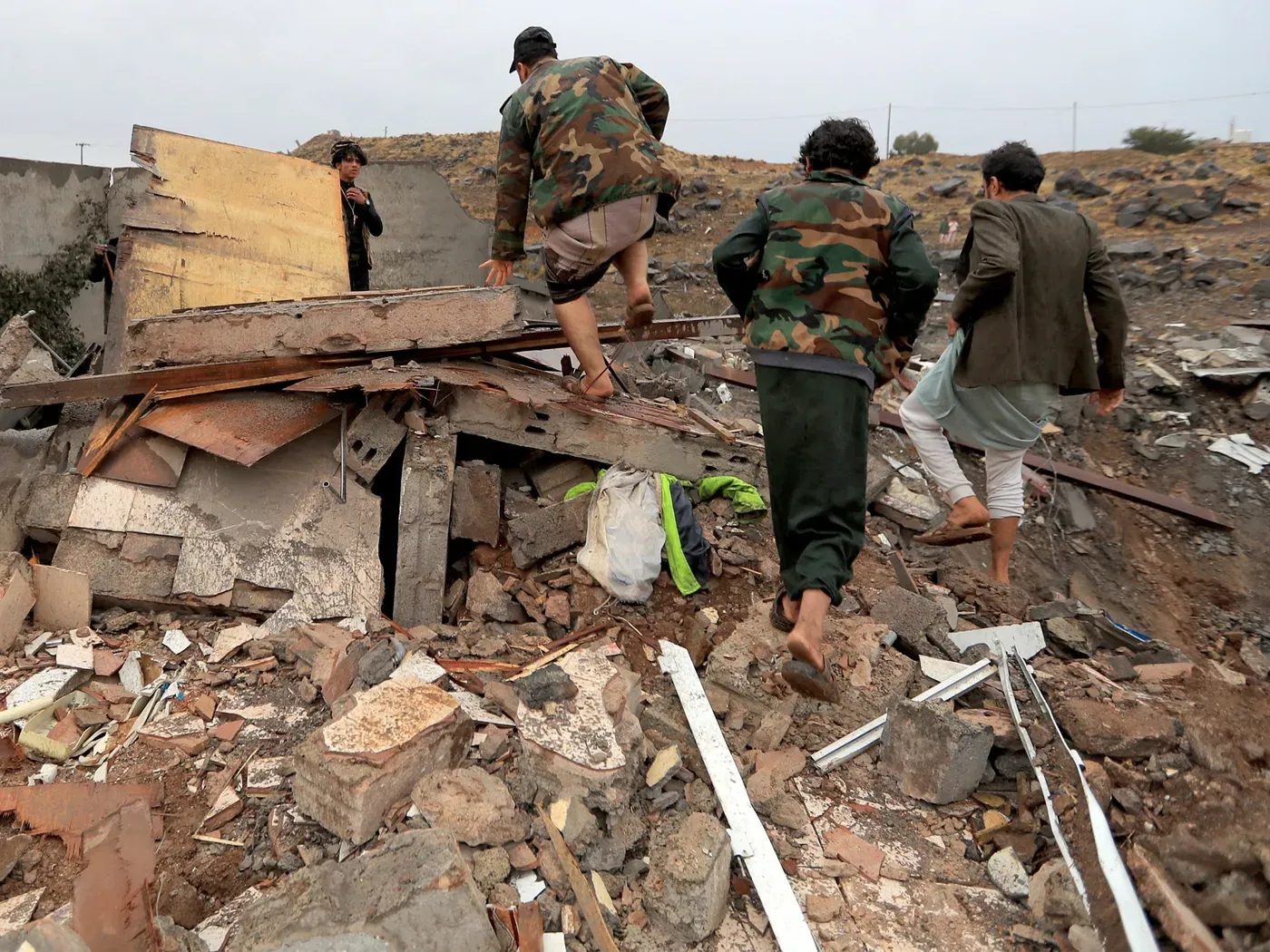
Eyewitness accounts from Jilib describe a constant barrage of airstrikes against al-Shabaab militants, but many claim that these attacks are having devastating consequences for civilians. One resident described bodies littering the city streets after a single strike flattened five homes in their neighborhood.
The US military has been conducting an extensive campaign against al-Shabaab, but it remains unclear how many civilians have been killed in these airstrikes. The US refuses to share details on potential civilian fatalities, citing concerns for operational security.
Residents of Jilib claim that the airstrikes are largely ineffective in targeting militants, with most attacks resulting in civilian casualties. One resident described seeing buried bodies, while others spoke of loved ones being killed or injured in strikes.
The situation is compounded by the El Niño weather phenomenon, which has brought heavy rainfall to the region and exacerbated flooding. This has left many communities vulnerable to further harm from both the natural disaster and the ongoing conflict.
As residents struggle to come to terms with the devastation around them, they are increasingly expressing anger and frustration at the US military's actions in their region. Many feel that their lives are being put at risk by a campaign that appears to be prioritizing military objectives over civilian safety.
The US military's operations in Somalia are becoming increasingly shrouded in mystery, raising concerns about whether Africom has authorized covert airstrikes in the region.
Intensive airstrikes or fighting have been reported near Kismayo, where records from the local hospital show a significant increase in patients with weapon-related" injuries. The International Committee of the Red Cross (ICRC) has treated 205 such patients this year, a 43% jump compared to last year's numbers.
Analysts are pointing out that the lack of clear attribution for these strikes is suspicious and could indicate covert US involvement. David Sterman from the New America thinktank notes that the possibility of undisclosed US strikes always looms large when there are unattributed attacks.
The US, however, claims to have publicly disclosed all airstrikes conducted under its authority in Somalia, denying any undisclosed or unannounced strike count. Meanwhile, Turkey has been using drones to target al-Shabaab militants in the region, often without divulging details of its operations.
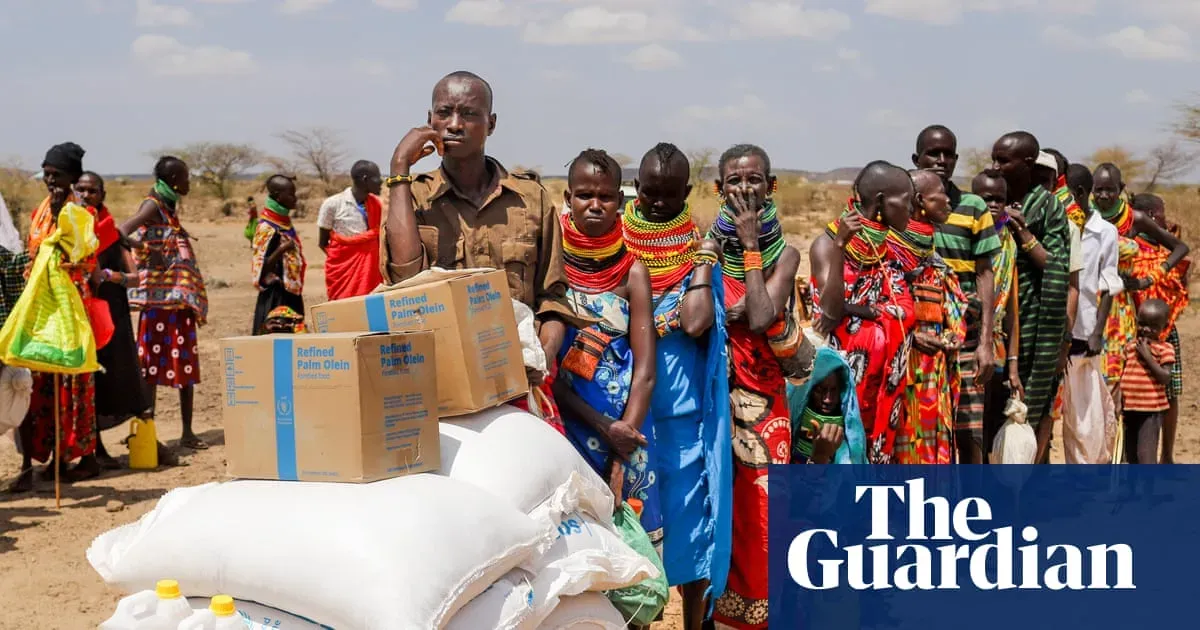
As the situation in Somalia worsens, hunger is becoming a major concern for locals. Many families are struggling to survive on meager rations, with some reports indicating that people are being forced to flee their homes due to lack of food and water.
In Kismayo's Galbeed refugee camp, estimates suggest that up to 6,000 people might have died since the US abruptly shut down USAID last year. The camp's president, Shukri Ahmed, has witnessed firsthand the devastating effects of drought, conflict, and aid cuts on his community.
The devastating effects of drought and conflict in Somalia have been exacerbated by El Niño, which is expected to worsen hunger levels across the country according to a UN-backed body responsible for identifying famine.
Children from areas controlled by al-Shabaab are arriving at hospitals so severely malnourished or weak that they cannot be saved. Zakaria Mohammed, head nurse at Kismayo's ICRC-supported hospital, has witnessed this firsthand over his five years in the position. The number of cases of child malnutrition has risen 40% this year.
Xaawo Nacdoor and her daughter Faadumo are just one example of the dire situation faced by many families. Al-Shabaab had blocked Nacdoor from leaving Jamame to receive treatment for her baby, but she managed to flee at night with her daughter strapped to her back. The toddler was severely dehydrated and lost consciousness on the second day of their journey.
The hospital is a refuge for those fleeing conflict and poverty, but it's not a sustainable solution. Patients often vow never to return home due to the lack of basic necessities like education, healthcare, and food in areas controlled by al-Shabaab. The situation will only worsen for thousands of families living along the Juba River as El Niño takes hold.
Facts based on reporting originally published by The Guardian World.
You may republish this story, in full or in part, if you credit Noti Group and link to it (licence CC BY 4.0). Photos are not included.