




Regional Tensions Escalate Amid Delegation Visit to Iran
A delegation from the Mecca Defence Alliance countries is set to visit Tehran for talks amid escalating regional tensions.
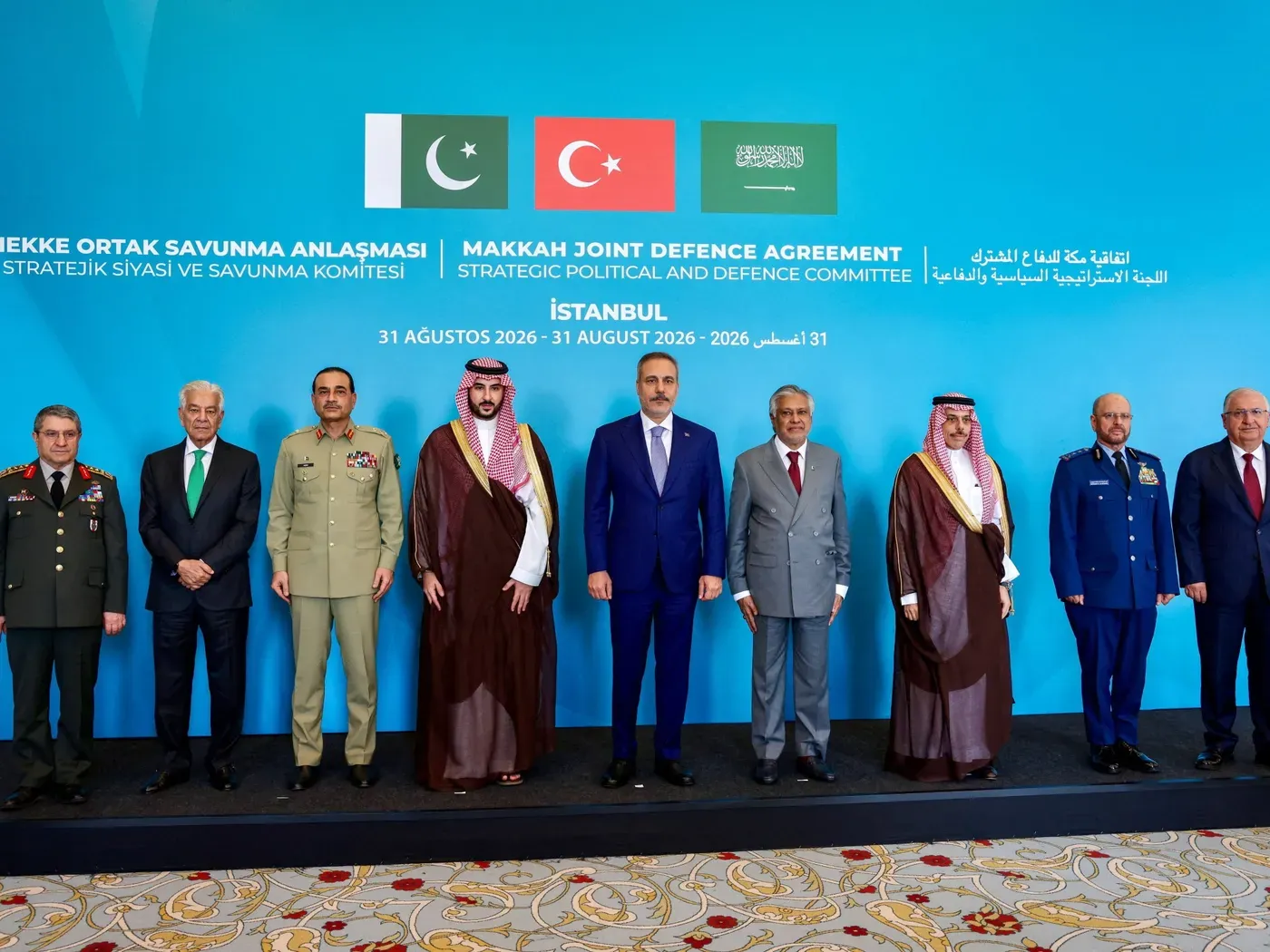
A delegation from the Mecca Defence Alliance countries is set to visit Tehran for talks amid escalating regional tensions. The alliance comprises Saudi Arabia, Turkiye, and Pakistan. According to officials, the delegations will meet in Iran on Monday.
Saudi Defence Minister Khalid bin Salman Al Saud and Pakistani military chief Asim Munir are among those expected to participate in a joint meeting during their visit to Tehran. Turkish intelligence chief Ibrahim Kalin is also scheduled to attend. The Iranian delegation will be led by Mohsen Rezaei, secretary of the Supreme National Security Council.
The talks come as part of the Mecca Defence Alliance countries' efforts to de-escalate tensions and promote dialogue in the region. Rayed Krimly, Saudi deputy minister for public diplomacy, confirmed the meeting, stating that it aims to support mediation efforts carried out by Qatar and Pakistan. The visit is seen as a step towards establishing regional security based on actors within the region.
The joint meeting will bring together officials from the Mecca Defence Alliance countries in Tehran. Iranian officials have expressed hope that the talks could lead to effective steps towards regional security.
The upcoming talks in Tehran are expected to mark a significant development in regional diplomacy, with officials from Mecca Joint Defence Agreement countries set to engage in high-level discussions with Iran.
This meeting would be the first of its kind since the Houthi armed group escalated attacks on Saudi Arabia last month, sparking renewed tensions in the region. Field Marshal Munir's visit to Tehran last week laid the groundwork for these talks, during which he met with President Masoud Pezeshkian and other senior Iranian officials.
During his meeting with Iranian leaders, it was made clear that any discussions about ending the conflict between Iran and the US would need to wait until Tehran's demands are met. This stance has been a key point of contention in previous mediation efforts, which have seen Pakistan play a crucial role as an intermediary between Washington and Tehran since February.
The fragile peace process was briefly interrupted by an interim agreement in June, but fighting resumed just weeks later, leading to the current state of heightened tensions in the region. Meanwhile, Saudi Arabia continues to grapple with the aftermath of recent missile and drone attacks, having intercepted another wave on Sunday.
Ministers from the Mecca Defence Alliance countries have agreed on a rapid deployment of military forces in Saudi Arabia as part of their emergency meeting in Riyadh this month. The move aims to counter growing regional tensions and threats to member states' security.
The Houthi attacks on Saudi Arabia have escalated into a destabilising factor, drawing the US and Israel into a wider conflict with Iran, where Saudi Arabia has become a crucial pressure point. This development highlights the increasing complexity of the situation in the region.
As part of their joint defence agreement, Turkiye, Pakistan, and Saudi Arabia are committed to using all necessary means to eliminate threats to each other's territorial integrity and sovereignty, according to the pact signed in August. Efforts to ratify the agreement by Turkiye's parliament and approval from Pakistan demonstrate a strong commitment among member states to address regional challenges together.
Facts based on reporting originally published by Al Jazeera.
You may republish this story, in full or in part, if you credit Noti Group and link to it (licence CC BY 4.0). Photos are not included.