


Lewis Hamilton Visits Rafah Border Crossing in Gaza
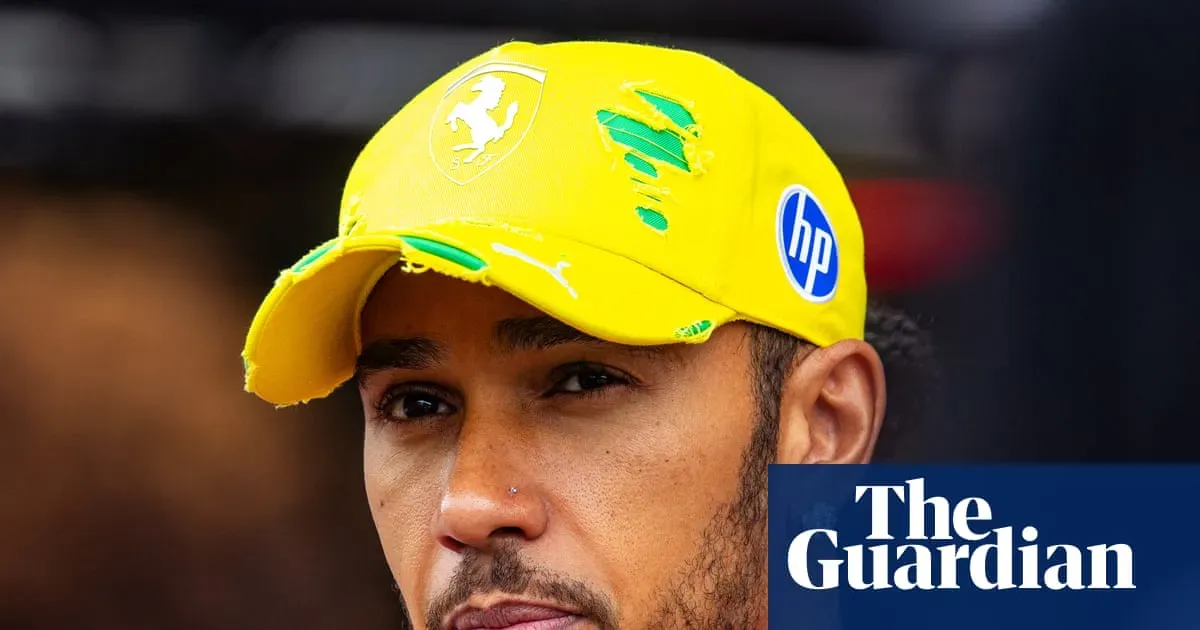
Formula One driver Lewis Hamilton traveled to the Rafah border crossing in Gaza, where he met with aid workers and toured the checkpoint.
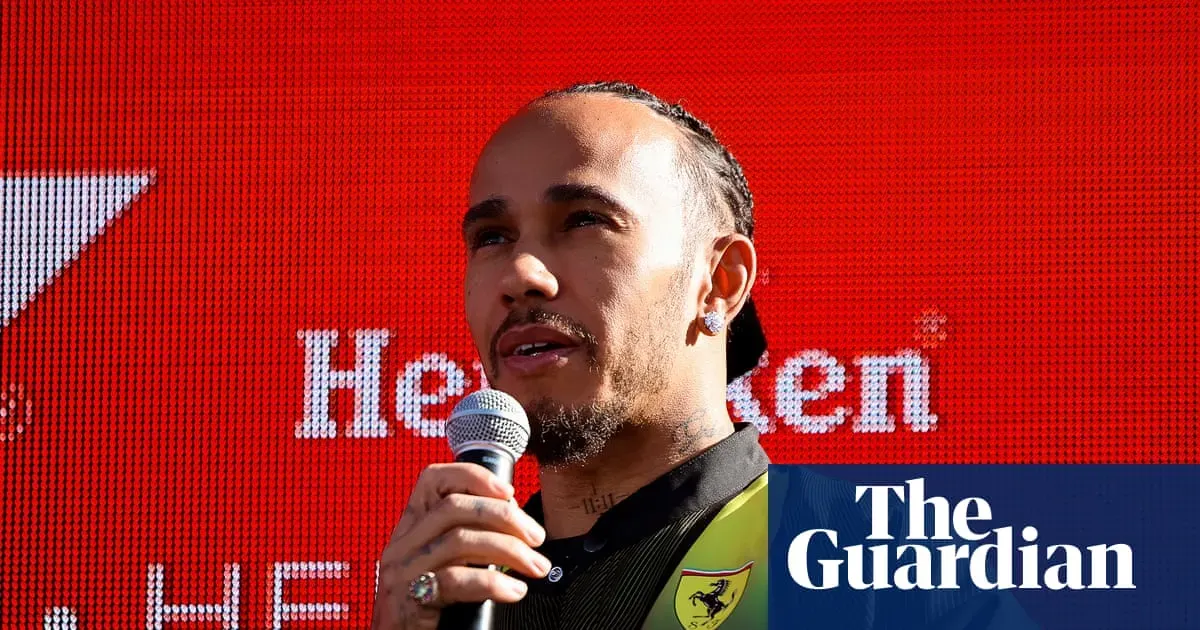
Lewis Hamilton's visit to the Rafah border crossing between Egypt and Gaza has made headlines worldwide. The Ferrari driver's actions are a stark contrast to those of many other athletes, who have been noticeably quiet on issues outside their sport.
Unlike his Formula One colleagues, Hamilton did not spend his week off relaxing by the beach or on the golf course. Instead, he traveled to the Rafah border crossing and met with aid workers in Arabic. He also toured the checkpoint and visited warehouses where relief supplies are prepared for distribution.
The visit came at a time when Israeli airstrikes and gunfire had killed at least seven Palestinians in Gaza, adding to a death toll that has surpassed 74,000 since war broke out three years ago. Hamilton's actions were seen as a powerful statement of solidarity with the people of Gaza.
In an Instagram post, Hamilton expressed his outrage at the situation in Gaza. "The past three years of Israel's genocide in Gaza is appalling," he wrote. He also acknowledged that many others share his feelings of helplessness and frustration.
Hamilton has consistently used his platform to speak out on issues outside sport. His willingness to express his opinions plainly sets him apart from other athletes, who have become increasingly reluctant to take a stand.
The contrast between Hamilton's outspokenness and the silence of many US sports stars will be evident when Formula One returns to the US for the Las Vegas Grand Prix this weekend.
Formula One's popularity in the US has been on a steep rise over the past decade, but one key figure remains at its forefront: seven-time world champion Lewis Hamilton.
As a prominent advocate for social justice, Hamilton's outspokenness stands out starkly against the silence of many high-profile athletes from other sports. His unwavering commitment to speaking out against racism has made him an unlikely leader in the fight against systemic inequalities in sport.
Hamilton's activism has been evident throughout his career, but it gained momentum during the 2020 and 2021 seasons when drivers across various Formula One teams came together to take a stand against racism. They showed their solidarity by wearing "End Racism" shirts before each race and kneeling during a moment of silence.
As for Hamilton's influence on the sport, his presence has been felt far beyond the track. He has become an ambassador not only for Formula One but also for its values and ideals. The fact that he is part-owner of the Denver Broncos adds to his visibility in the US sports landscape.
In contrast to some high-profile athletes who have distanced themselves from social issues, Hamilton's unwavering commitment to speaking out against racism has earned him a reputation as the apex protester in sport.
Despite the silence from many high-profile US athletes on social issues, Lewis Hamilton has continued to speak out against racism and inequality. His unwavering commitment has earned him a reputation as a leading voice in sports. Hamilton's influence extends beyond his own sport of Formula One, with notable figures like Bubba Wallace citing him as an inspiration for their efforts.
Wallace, the most prominent Black driver in Nascar, has credited Hamilton with helping to push his sport towards greater racial equality. In 2025, Hamilton stated that he would continue his diversity work despite setbacks and attacks from certain quarters. He emphasized the importance of elevating people within his own environment and space.
Hamilton's commitment to social justice is not limited to words alone. He has taken concrete steps to address the issue of underrepresentation in UK motorsport and Stem careers. In 2020, he co-founded the Hamilton Commission, an initiative aimed at tackling systemic barriers.
The commission's 2021 report highlighted a range of obstacles facing Black people in these fields. These included school culture, university recruitment practices, and workplace culture. The findings also revealed that fewer than 1% of Formula One employees came from Black backgrounds. This stark statistic underscores the need for urgent action.
Hamilton's work on the commission is part of a broader effort to address systemic racism. His approach has been two-pronged, tackling both the symptoms and root causes of underrepresentation. By shining a light on these issues, he hopes to spark meaningful change.
The Hamilton Commission's report serves as a call to action for sports organizations and industries at large. As Hamilton continues to push for greater diversity and inclusion, his influence is being felt beyond his own sport. His commitment to social justice has made him a leading figure in the fight against racism and inequality.
Hamilton's philanthropic efforts have taken a major leap forward as he continues to support underrepresented young people through his Mission 44 initiative.
Launched in recognition of the commission's recommendations, the project aims to provide educational and employment opportunities for those from diverse backgrounds, not limited to careers in motorsport. The venture has already begun yielding tangible results, with seven scholarship recipients working in the industry by 2026, five of them at top-tier Formula One teams.
Hamilton's on-track achievements have also had a profound impact on the sport's demographics. Nineteen years after breaking down barriers as the first Black driver in Formula One, he now shares the grid with drivers from diverse backgrounds, including French-Algerian Isack Hadjar and Thai-British Alex Albon.
The next generation of talent is also starting to make its mark, with Ugo Ugochukwu emerging as a standout performer. The young American driver's rise through the ranks has been nothing short of remarkable, earning praise from Hamilton himself during the Spanish GP weekend.
Hamilton's long-held ambition to bring Formula One back to Africa has finally come to fruition with the announcement of the African Grand Prix in Rwanda. Last month's news marked a significant milestone for the sport, and Hamilton is eager to be part of it when the first race takes place in the early 2030s.
While expressing his excitement about racing in Rwanda, Hamilton also acknowledged the pressing human-rights concerns surrounding the country. His commitment to speaking out against autocratic regimes has been a hallmark of his career, and he continues to use his platform to raise awareness on critical issues facing the sport.
The reality of speaking out against autocratic regimes is far more complicated for athletes in motorsport than it is for those in other sports. Sponsorship money plays a crucial role in teams' success, and drivers who fail to bring in sufficient funds can face the axe, regardless of their performance.
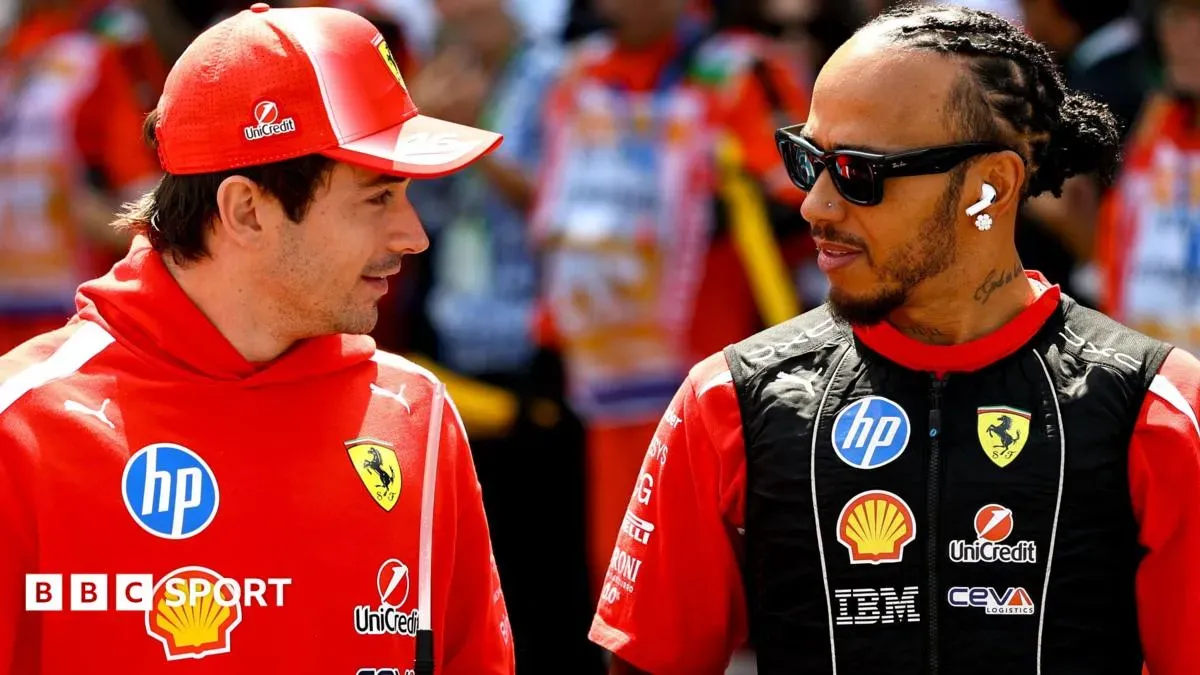
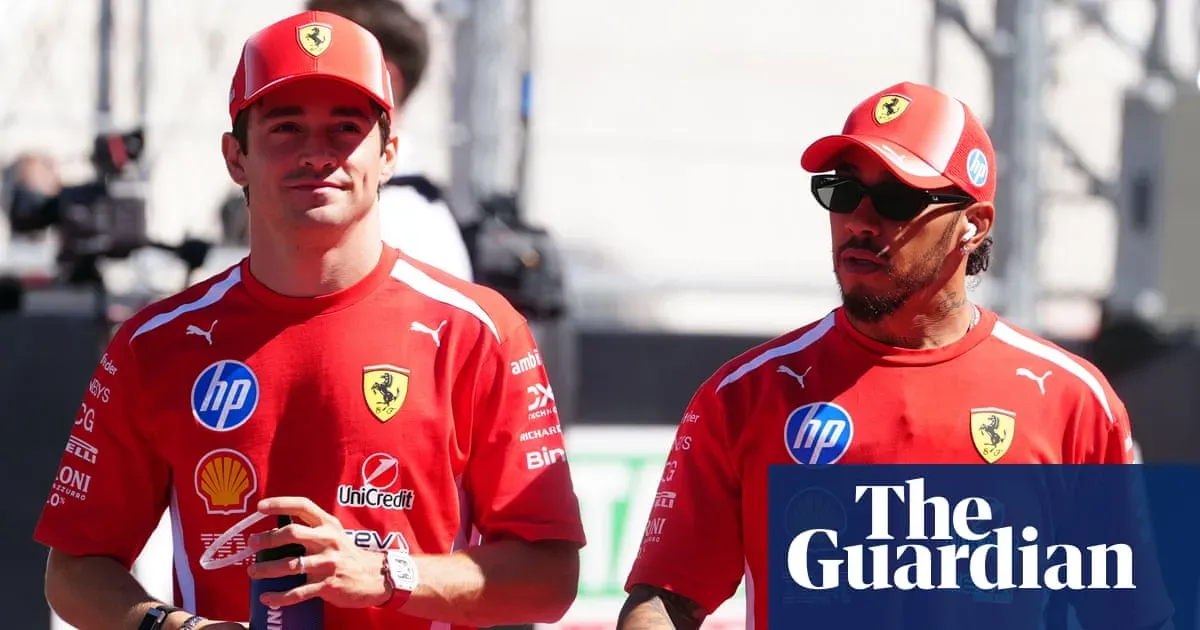
Hamilton's pro-Palestine stance poses a significant threat not only to his financial backing but also to his position at Ferrari, where he is currently locked in a power struggle with teammate Charles Leclerc. With free agency potentially looming for Hamilton after the 2027 season, this could be a particularly delicate time for him.
Some might dismiss Hamilton's outspokenness as mere grandstanding from an athlete nearing the end of his career and thus having little to lose. However, it is clear that Hamilton values his legacy over his place in the record books.
Hamilton has consistently emphasized that his impact extends far beyond his on-track achievements. He believes that what he does outside the car is where true significance can be made, particularly when it comes to being remembered.
As an athlete, Hamilton's willingness to take risks and speak out against injustice sets a powerful example for others who may be hesitant to follow suit. His commitment to using his platform to raise awareness about critical issues facing the sport is unwavering.
Ultimately, Lewis Hamilton stands as a beacon of hope for athletes everywhere, demonstrating that even in the face of adversity and potential backlash, speaking truth to power can have a lasting impact.
Facts based on reporting originally published by The Guardian Sport.
You may republish this story, in full or in part, if you credit Noti Group and link to it (licence CC BY 4.0). Photos are not included.