



Kenya Reports First-Ever Cluster of Ebola Cases
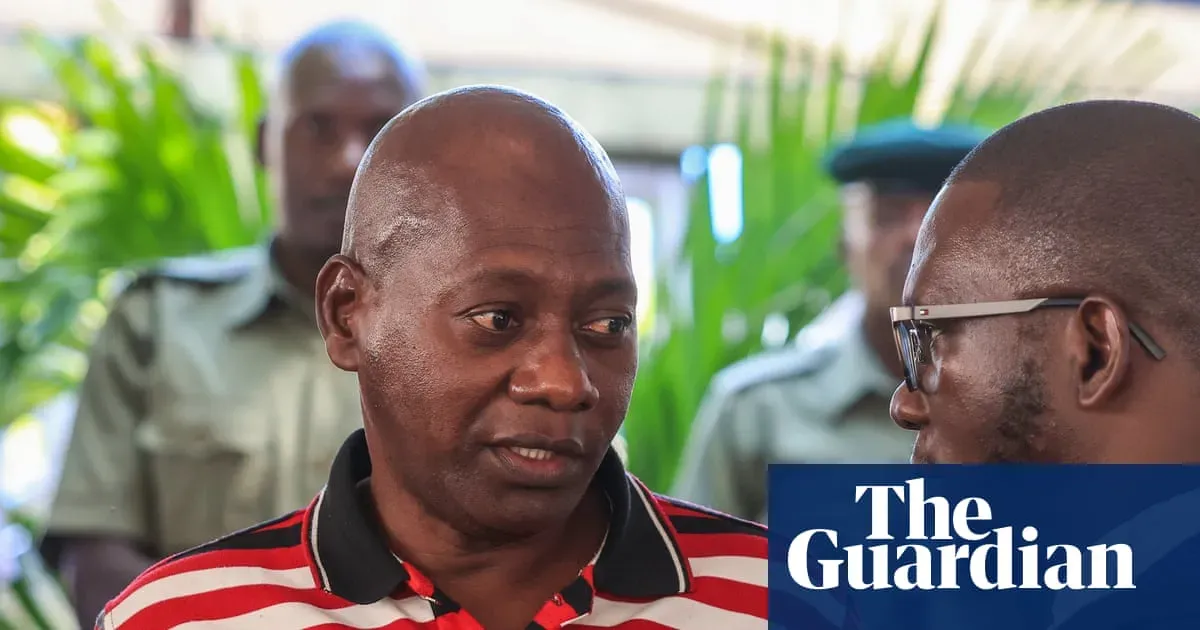
A third person in Kenya has tested positive for Bundibugyo ebolavirus, marking the country's first-ever cluster of Ebola cases, amid a growing outbreak that has claimed over 4,300 lives and infected more than 9,000 people.
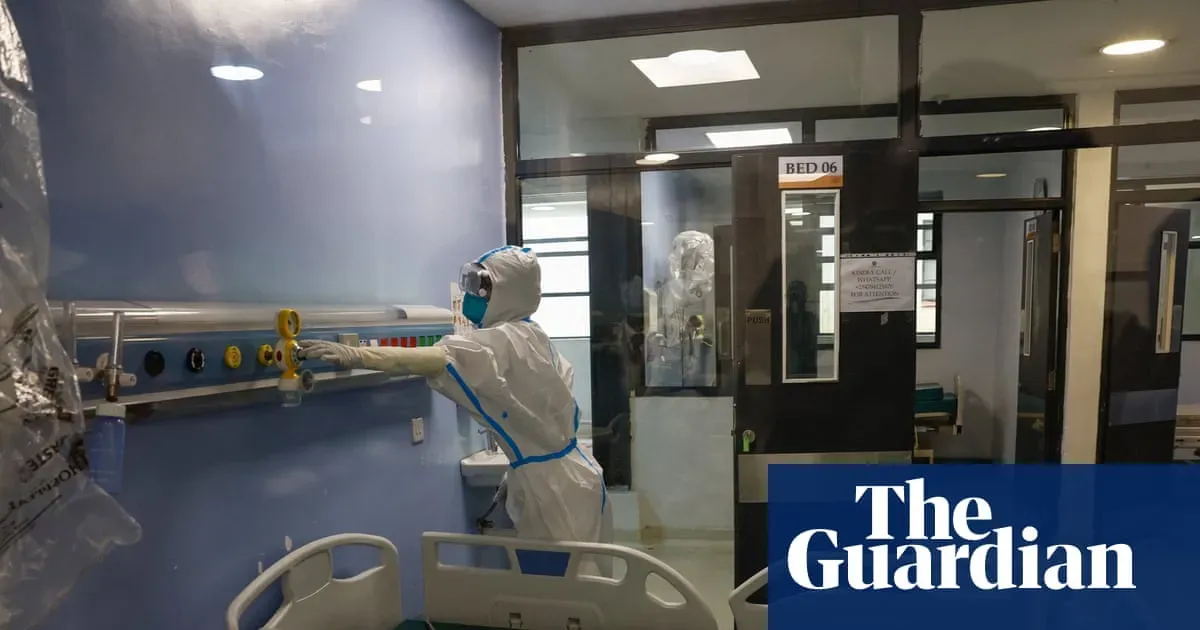
A third person in Kenya has tested positive for Bundibugyo ebolavirus, marking the country's first-ever cluster of Ebola cases. This development comes as the second-largest outbreak in history continues to spread, claiming over 4,300 lives and infecting more than 9,000 people in the region.
The emergence of a new Ebola case in Kenya has raised concerns about the US role in addressing the worsening outbreak. The country's withdrawal from key health services and funding cuts have left many questioning its commitment to global health security. The US has been criticized for its handling of the crisis, which some argue has exacerbated mistrust among local communities.
The construction of a quarantine center at Kenya's Laikipia air base has been met with opposition from locals, who claim they were not adequately informed about the facility's purpose or how it would be used. The Kenyan government's decision to establish the center has sparked protests and a court order to halt its development, which will be decided in November.
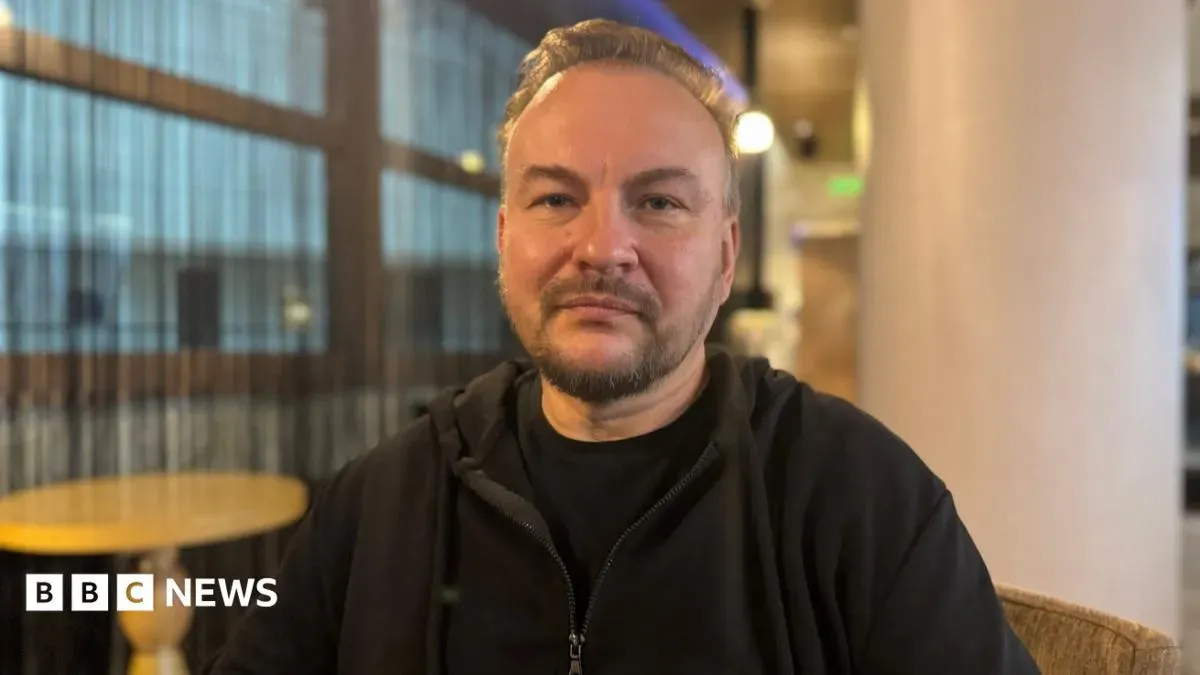
The controversy surrounding the quarantine center has been fueled by concerns over transparency and accountability. Many Kenyans were concerned about the lack of information provided on the quarantine place, said Allan Maleche, executive director of the Kenya Legal & Ethical Issues Network on HIV and Aids (Kelin). He noted that locals did not know who would be using the facility or what had informed its establishment.
The construction of the quarantine center is part of a broader shift in US policy under current leadership. The country's withdrawal from key health services and funding cuts have left many questioning its commitment to global health security, and raising concerns about the effectiveness of its response to the Ebola outbreak.
The Kenyan government's handling of Ebola cases has sparked concerns among locals, who are approaching any information about the outbreak with caution.
As the first Ebola cases emerge in Kenya, some Americans are questioning the US quarantine center set up to handle American citizens potentially infected with the virus.
Critics argue that the quarantine center poses an undue burden on the Kenyan government and may not be the safest place for Americans.
The US has invested heavily in building world-class Ebola treatment units, which have successfully treated patients during previous outbreaks without further spreading the virus.
These units were built using American taxpayers' money, but they remain largely unused due to recent cuts to health support programs and funding at organizations like USAID and the CDC.
The recent closure of HIV prevention offices by the CDC in Angola and South Sudan on October 1 is part of a broader trend of US funding cuts that are leaving countries vulnerable to public health crises.
These moves have sparked concerns about the impact of reduced support for HIV programs, which has already led to clinic closures and anxiety among communities. The lack of clear direction or planning from the US has exacerbated these issues, making it harder for affected countries to prepare for potential outbreaks.
The US is attempting to negotiate bilateral agreements with countries including Kenya, but this process has been shrouded in secrecy, leaving many questions about the scope and implementation of these plans unanswered. The uncertainty surrounding these agreements is causing further unease among healthcare workers and officials.
The abrupt withdrawal of funding from decades-long programs is not only limiting the ability to prevent and respond to outbreaks but also reducing the global capacity to address future emergencies. This trend has significant implications for countries already struggling with public health challenges, making them even more vulnerable to crises.
As a result of the US's decision to leave the World Health Organization (WHO) in January, collaboration on crisis response has become much harder, and the WHO's ability to respond effectively has been weakened by the loss of substantial funding.
The third Ebola case in Kenya has sparked concerns about the effectiveness of quarantine measures and contact tracing systems, despite officials' claims that these efforts are working.
Kenya's ministry of health has reported that a total of 108 people have been quarantined in Nairobi as part of their response to the outbreak. However, the fact that a sick person was able to travel across countries from the Democratic Republic of Congo (DRC) to Uganda and then Kenya has raised questions about the efficiency of these measures.
The Kenyan authorities have pointed out that the border between DRC and Uganda has been closed since May, but this closure does not seem to have prevented infected individuals from crossing into neighboring countries. In fact, a French doctor who returned from DRC in June tested positive for Ebola, highlighting the risks of travel and international spread.
The outbreak has also raised concerns about how other countries will react to the situation, with officials worried about the possibility of travel bans being imposed on Kenya. This fear is ironic given that the US has its own quarantine center in Kenya, which could potentially be affected by any such restrictions.
The recent Ebola case in Kenya has highlighted the consequences of the US's dwindling efforts in global health security.
The Trump administration's plans to cut back on HIV prevention and monitoring have been widely criticized by lawmakers, who argue that such measures are weakening America's ability to protect its citizens from infectious diseases.
Senator Raphael Warnock, a Democrat from Georgia, and Senator Bill Cassidy, a Republican from Louisiana, penned a letter in June opposing the cuts to global health funding, which they believe has eroded international disease-monitoring infrastructure.
Nuzzo, an expert on global health security, agrees that such measures have serious consequences. It's about having an understanding of the systems and conditions in other countries, she said, highlighting the importance of maintaining a network of eyes and ears abroad to detect potential threats early on.
By dismantling USAID and withdrawing from the WHO, the US is not only weakening its own preparedness but also compromising the global health security that benefits both America and its allies.
Facts based on reporting originally published by The Guardian World.
You may republish this story, in full or in part, if you credit Noti Group and link to it (licence CC BY 4.0). Photos are not included.