


Guilty Verdict Handed Down in Kenyan Cult-Related Mass Murder Case
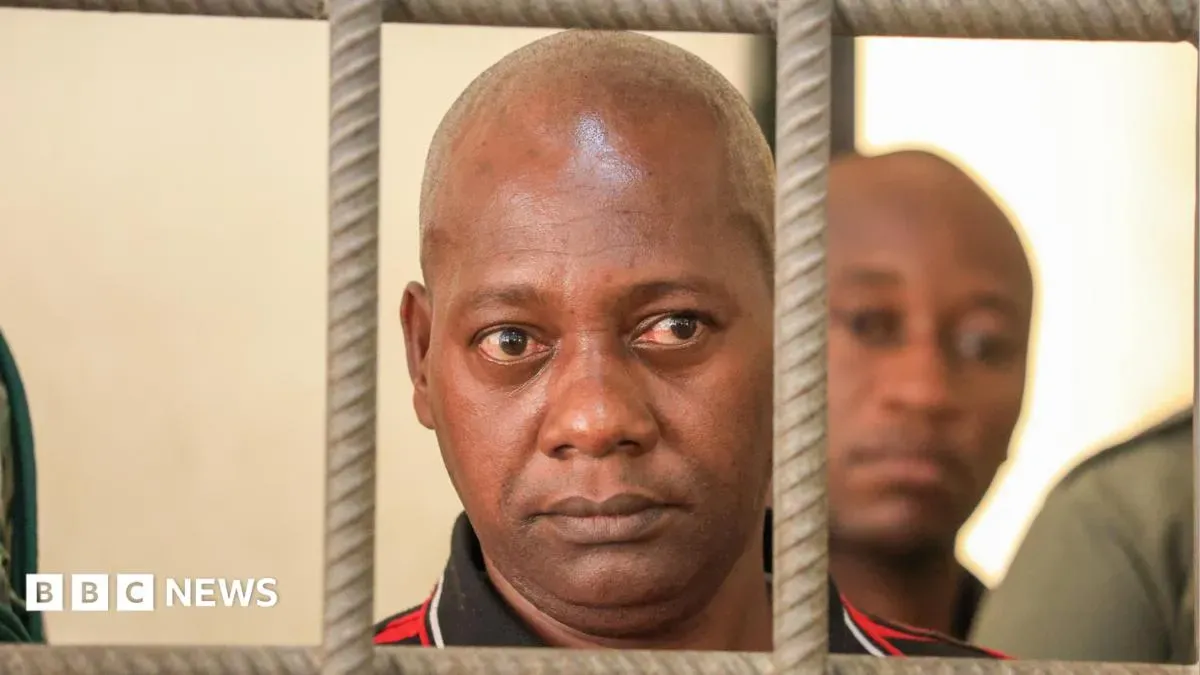
A Kenyan court has delivered a guilty verdict against Paul Mackenzie and approximately 30 others responsible for the starvation deaths of 190 children and one adult.
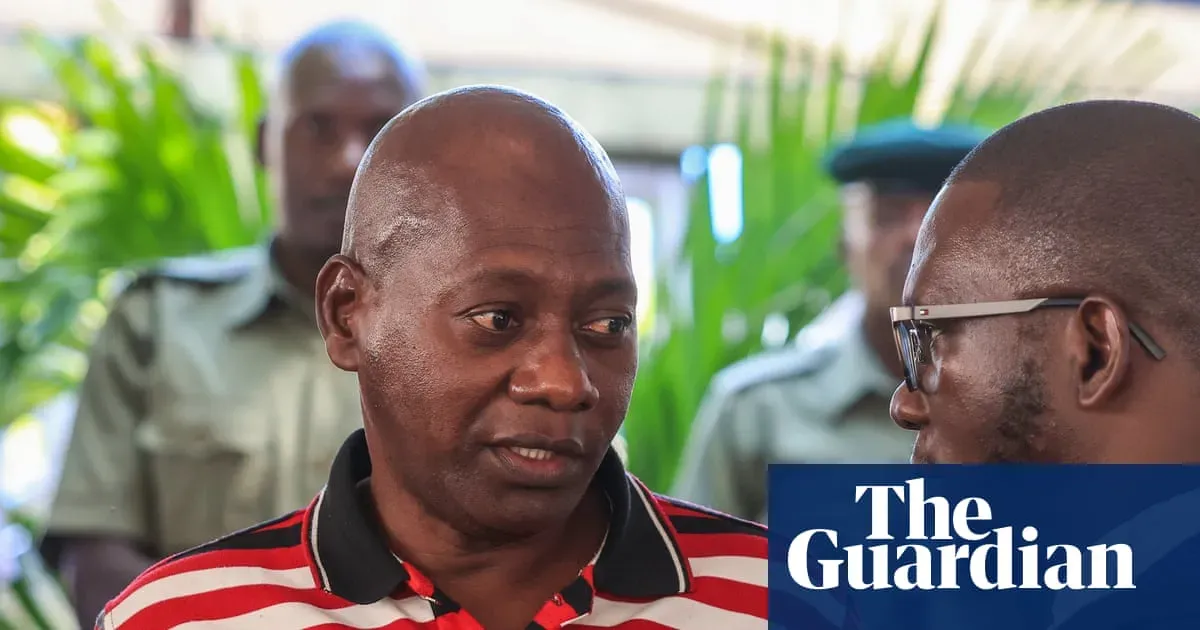
A Kenyan court has delivered a guilty verdict against Paul Mackenzie, the leader of a cult that orchestrated the starvation deaths of 190 children and one adult in a devastating case that has shocked the world.
The court found Mackenzie and approximately 30 others responsible for the murders, which are considered one of the worst cult-related disasters in recent history. The charges were brought after police received a tip-off about Mackenzie's involvement in 2023, leading to a subsequent investigation and discovery of bodies buried in shallow graves at the Shakahola forest near the coast.
Prosecutors claim that Mackenzie and his Good News International Church organized a Christian doomsday cult where followers were ordered to starve themselves and their children to death, believing it would bring them closer to heaven before the world ended. This twisted ideology was allegedly enforced by the church's leaders, who manipulated their followers into relinquishing all hope.
Mackenzie had denied forcing the victims to starve but his argument was rejected by the court. The trial has been ongoing for some time, with Monday's judgment covering 191 deaths while investigations into other fatalities continue.
More than 400 bodies have been recovered from the Shakahola forest, many of which were severely decomposed and only a small number could be identified.
The courtroom was filled with an air of anticipation as relatives of those affected by the Shakahola tragedy gathered to hear the verdict against Francis Atwoli Mackenzie.
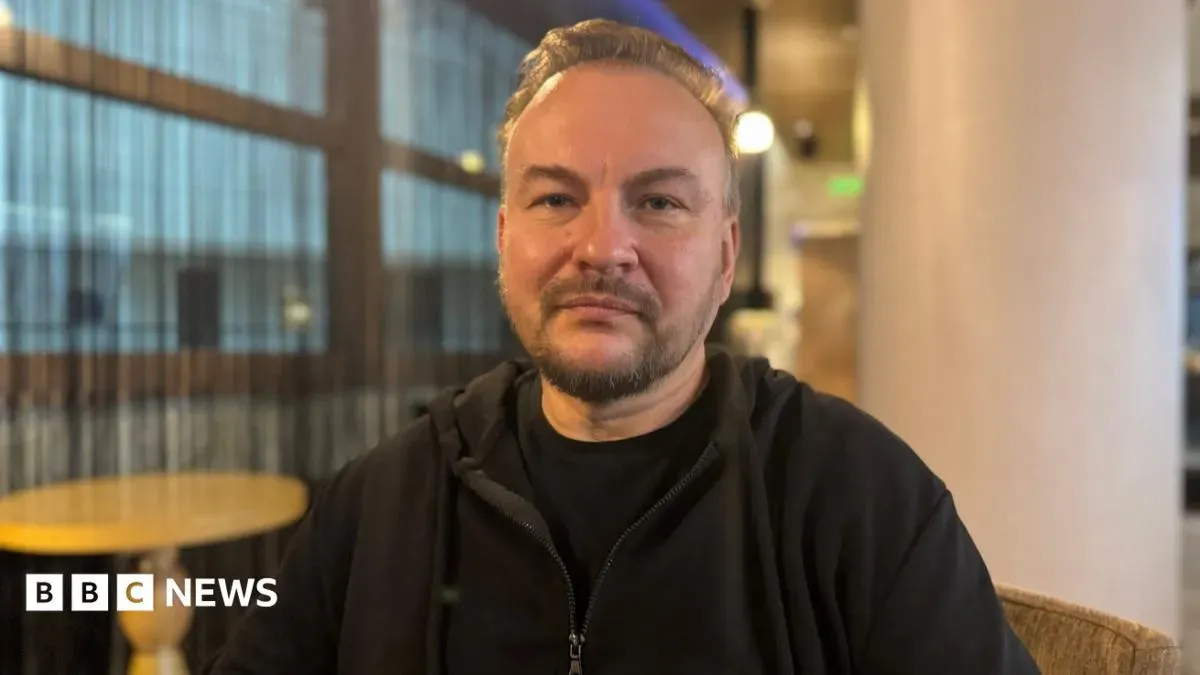
Francis Wanje, a 62-year-old man who lost eight family members, including two grandchildren, to the cult, spoke about his hopes for the outcome. He had been carrying a heavy burden since the tragic events unfolded and was seeking closure.
The Shakahola forest has become synonymous with a horrific tragedy that shook Kenya in recent years. The discovery of mass graves there over three years ago sparked widespread outrage and raised questions about how Mackenzie managed to evade detection despite being on the authorities' radar since 2017.
Mackenzie's church had been shut down by authorities in 2019, but he continued to operate from the Shakahola forest. This has led to calls for stricter oversight of religious organizations in Kenya, where faith plays a significant role in public life.
Kenya's president, William Ruto, acknowledged that government agencies should have taken action to prevent the deaths. He took responsibility as president and emphasized the need for improved coordination between agencies to prevent similar tragedies in the future.
The cult leader's followers lived in makeshift homes constructed from polythene sheeting and thatch, divided into areas named after biblical locations such as Jerusalem and Judea. This unusual setup was part of a larger system where Mackenzie exerted significant control over every aspect of his followers' lives. The conditions in which they lived were likely to have exacerbated the starvation and dehydration that ultimately killed so many.
As investigators began to probe the cult's activities, disturbing details emerged about the treatment of children within the group. According to some former members, Mackenzie had forbidden them from sending their kids to school or seeking medical help when they fell ill, labeling these institutions as "satanic". This extreme isolation likely contributed to the tragic outcome.
The full extent of the tragedy only began to come to light in mid-March 2023, when a local man reported that his brother and sister-in-law had starved their children to death on Mackenzie's orders. Following an initial arrest and release on bail, further evidence was uncovered, leading police to re-arrest Mackenzie and conduct more thorough searches of the forest.
The investigation has yielded numerous charges against Mackenzie, including terrorism-related offenses, which he has denied. In addition to his role in orchestrating the deaths at Shakahola, he also faces accusations related to the deaths of 52 people in a nearby village, Kwa Binzaro.
Facts based on reporting originally published by The Guardian World.
You may republish this story, in full or in part, if you credit Noti Group and link to it (licence CC BY 4.0). Photos are not included.