






Government Failures Allowed Covid-19 to Spread Rapidly Through Care Homes
A scathing official inquiry has found that government failures in care settings allowed Covid-19 to spread rapidly through care homes, resulting in thousands of deaths between March 2020 and July 2022.
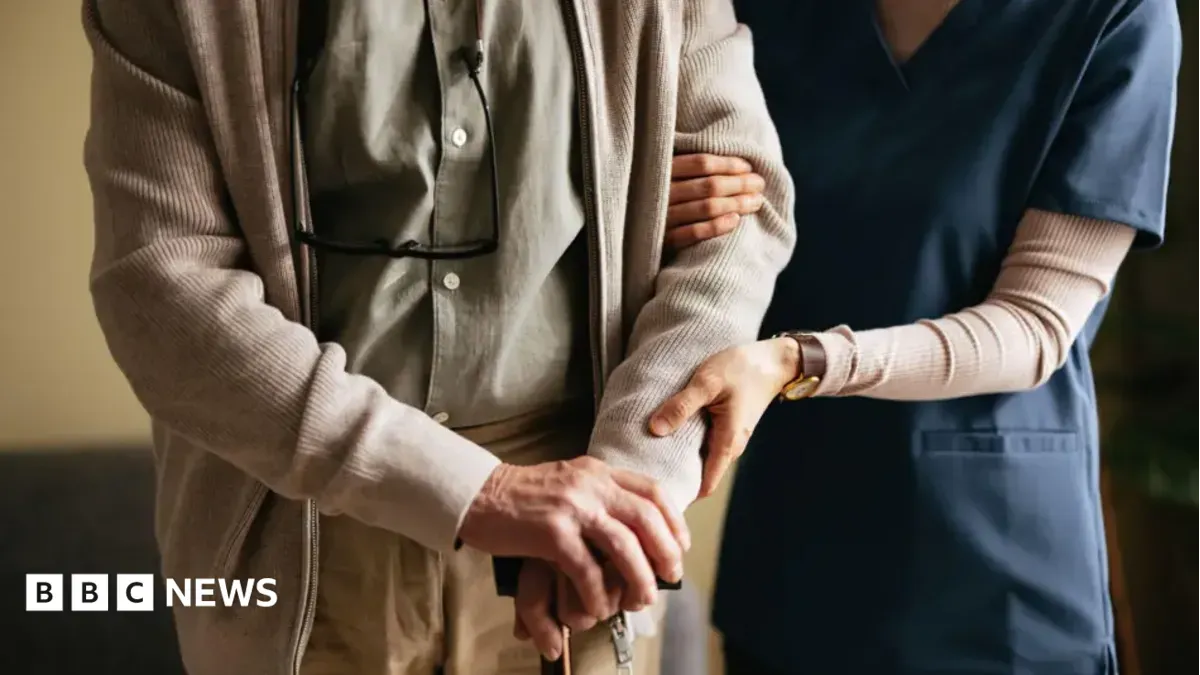
A scathing official inquiry has found that government failures in care settings allowed Covid-19 to spread rapidly through care homes.
The report highlights that during the early stages of the pandemic, the care sector was seemingly treated as an afterthought by policymakers, with inadequate measures taken to safeguard residents and staff against infection. This lack of attention is starkly contrasted with the reassurances given at the time by ministers, who claimed a protective ring would be put around care homes.
Despite the gravity of the situation, thousands of people lost their lives in care homes between March 2020 and July 2022. Official records show that over 43,000 deaths involved Covid-19 during this period.
A significant factor contributing to these devastating outcomes was the shortage of personal protective equipment (PPE) for carers, as well as the practice of discharging hospital patients into care homes without adequate safety measures in place.
The UK government's early response to the Covid-19 pandemic in care homes was marked by a lack of urgency and inadequate measures to protect residents and staff.
While the government claimed to have placed a protective ring around care homes, the inquiry found this assertion to be unfounded, revealing a stark contrast between rhetoric and reality. The report highlights the consequences of prioritizing hospital protection over care home safety.
In the absence of sufficient personal protective equipment (PPE), caregivers were forced to improvise with makeshift solutions such as bin bags, waterproof ponchos, and painters' overalls. This desperate situation was a direct result of the government's failure to provide adequate support for care homes during the pandemic's early stages.
The decision to discharge hospital patients into care homes without proper guidance on isolation protocols proved to be a significant oversight in England, Wales, and Northern Ireland.
The care sector's long-standing weaknesses, including financial struggles and staff shortages, played a significant role in exacerbating problems during the pandemic.
Despite evidence emerging by September 2020 that care home visitors posed little risk of infection, many care homes failed to ease restrictions in line with updated UK guidance. This failure contributed significantly to a decline in residents' health and wellbeing. The consequences were severe, with residents struggling to cope amidst the lack of relaxation in rules.
In some care homes, there was evidence of blanket do-not-resuscitate orders being put into place, which is considered unlawful. This decision had far-reaching implications for residents who may have been denied life-saving interventions due to these orders.
Millions of unpaid carers were left to take on increasingly complex care tasks without adequate support. The strain on these individuals was immense as they struggled to cope with the demands placed upon them.
The COVID-19 pandemic exposed deep-seated weaknesses in social care systems worldwide, but particularly so in countries without a national care service. In hindsight, experts argue that such a system would have mitigated some of the devastating consequences faced by care homes during the crisis.
Care workers were woefully unprepared to cope with the influx of patients, and many paid the ultimate price for their dedication. As one union representative noted, "care homes turned into morgues" as the virus spread rapidly through these facilities. The human toll was immense, with loved ones unable to be by each other's side even in their final moments.
The government has pledged to respond fully to the inquiry's recommendations, but its words may ring hollow for those who suffered most during this period. Health Secretary Yvette Cooper acknowledged that social care had been "undervalued and under-recognised" for too long, a sentiment shared by many who worked tirelessly on the frontlines of the pandemic.
Facts based on reporting originally published by BBC News Health.
You may republish this story, in full or in part, if you credit Noti Group and link to it (licence CC BY 4.0). Photos are not included.