






Formula One Bahrain Grand Prix Moved to Malaysia Due to Conflict
The Formula One Bahrain Grand Prix was cancelled and relocated to the Sepang International Circuit in Malaysia due to ongoing conflict between Iran and Bahrain.
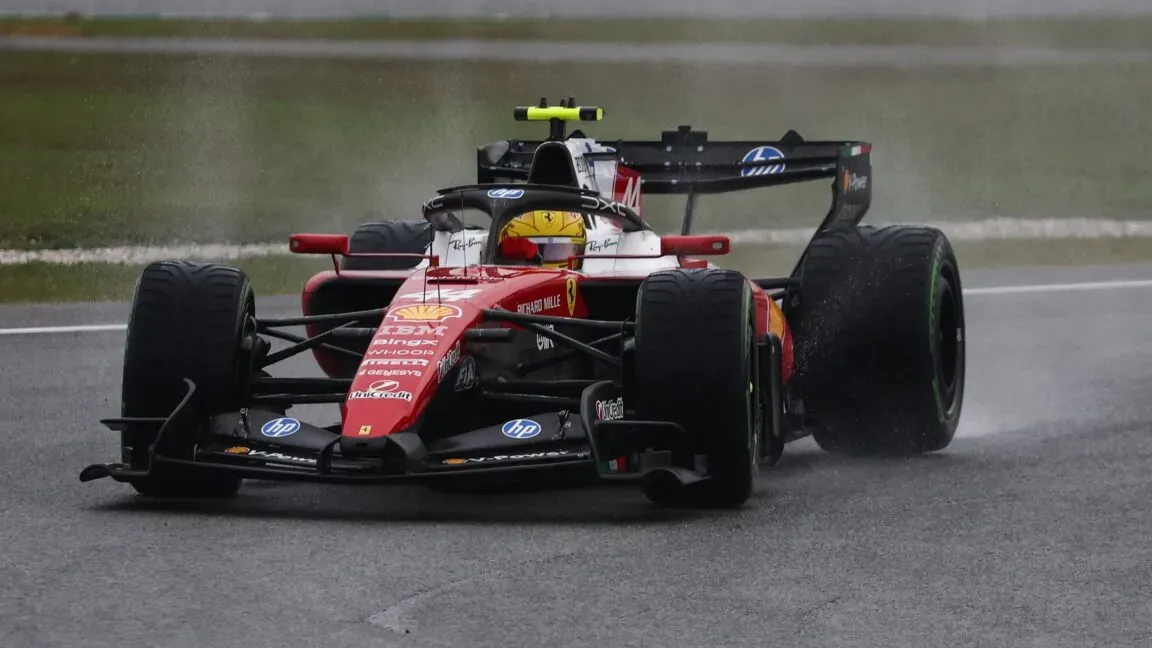
The Formula One Bahrain Grand Prix was cancelled due to ongoing conflict between Iran and Bahrain, leading organizers to find an alternative venue at short notice. The Sepang International Circuit in Malaysia stepped in to host the event, one of several circuits designed by Herman Tilke that are characterized by long straights and challenging tropical weather conditions.
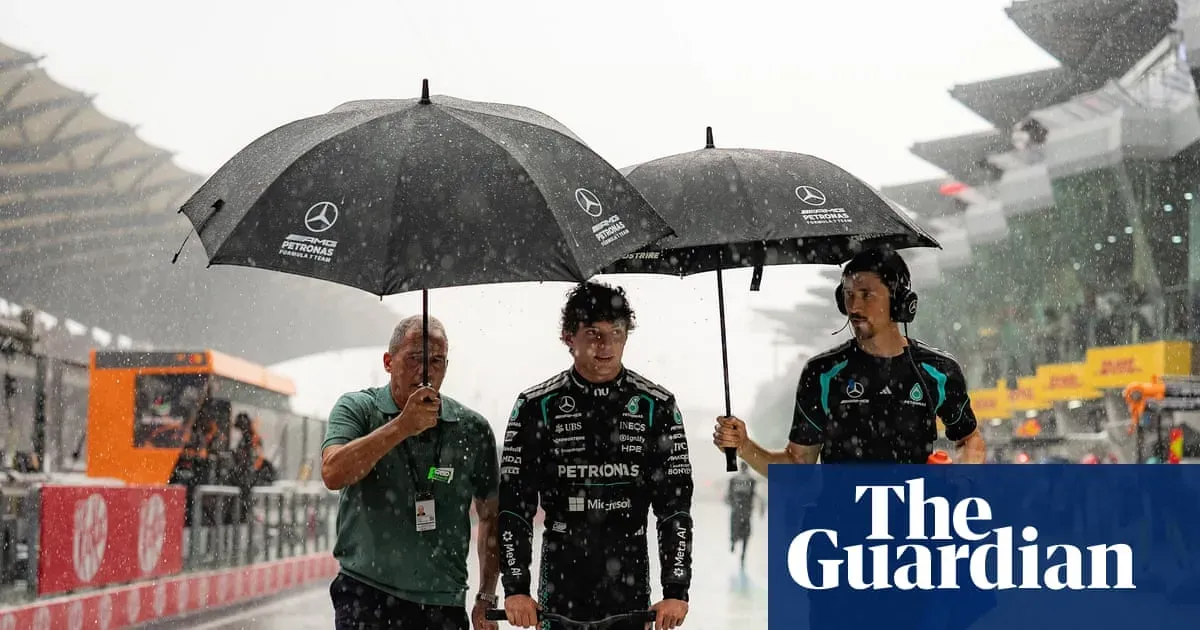
The circuit's brutal climate made it a daunting prospect for drivers, who faced torrential rain on the day of the race. Heavy downpours arrived just half an hour before the scheduled start time, prompting a significant delay to allow the track to be assessed.
In wet conditions, Formula One cars use specialized tires designed to handle excess water and provide traction. However, these tires have limitations: the full wet tire is only suitable for very slow speeds behind the safety car, as it generates excessive spray that reduces visibility. The intermediate tire, on the other hand, has shallower grooves but can quickly overheat and degrade as the track dries.
In an attempt to mitigate the risks, organizers decided to conduct two formation laps behind the safety car at reduced speed. This allowed drivers to assess the track conditions and pump water off the surface using their intermediate tires. However, this plan had a critical flaw: it didn't account for a software bug in the cars' systems.
The bug was triggered when drivers used reduced hybrid power while circulating slowly behind the safety car. The system mistakenly identified this as an attempt to cheat, automatically shutting down the electric motors after 60 seconds. This caused chaos on the track as car after car slowed to a halt and then took varying lengths of time to reboot their systems.
The shutdowns had a ripple effect, with cars slowing for those in front before taking longer to restart their engines. The situation was further complicated by the fact that each team's strategy and setup were different, making it difficult to anticipate how long each car would take to recover.
As the delays continued, organizers faced an increasingly difficult task in getting the race underway. The software bug had become a major obstacle, threatening to derail the entire event. With the clock ticking down, teams and officials scrambled to find a solution.
In the end, it was clear that something needed to be done quickly to resolve the situation. A software update would be required to address the issue, but with no clear timeline for when this could be implemented, the future of the race hung precariously in the balance.
The chaos on the grid in Malaysia was a stark reminder of the complexities involved in modern Formula One racing.
As the drivers prepared to take their places at the starting line, it became clear that something was amiss. Cars were slowing down suddenly, and some were even coming to a complete stop.
According to Nikolas Tombazis, head of single-seater racing at the FIA, the issue was related to software settings for wet conditions. These settings reduce power in certain sectors to ensure safety.
However, this year's lack of wet weather running had meant that these settings hadn't been adequately tested or checked.
The software, developed by the FIA with the teams and engine makers, is common to all cars on the grid. But a combination of factors led to a bug being triggered during the formation lap.
This bug prevented some cars from reaccelerating and reaching normal speeds, causing them to stop abruptly on the track.
Tombazis explained that as soon as the problem became apparent, an updated software was issued to the teams. However, it took around 20 minutes for this update to be distributed and implemented in all cars.
The delay caused by this process meant that there was a significant wait before the second start could take place.
The delay had allowed the rain to clear and water to drain from the track, but it also gave drivers time to reassess their tire choices.
When the formation lap began, more than half of the grid was on either soft or medium slick tires, despite the conditions being less than ideal. Only nine drivers opted for the intermediate tire, including those on pole position, Verstappen, and championship leader Kimi Antonelli.
As it turned out, this decision proved to be a mistake, as the track was still too wet for slicks. The cars on these tires struggled to put down power, quickly being left behind by those on intermediates.
The Mercedes drivers, including Lewis Hamilton in second position, were among those who had chosen to start on slicks. Unfortunately for them, this decision would prove costly.
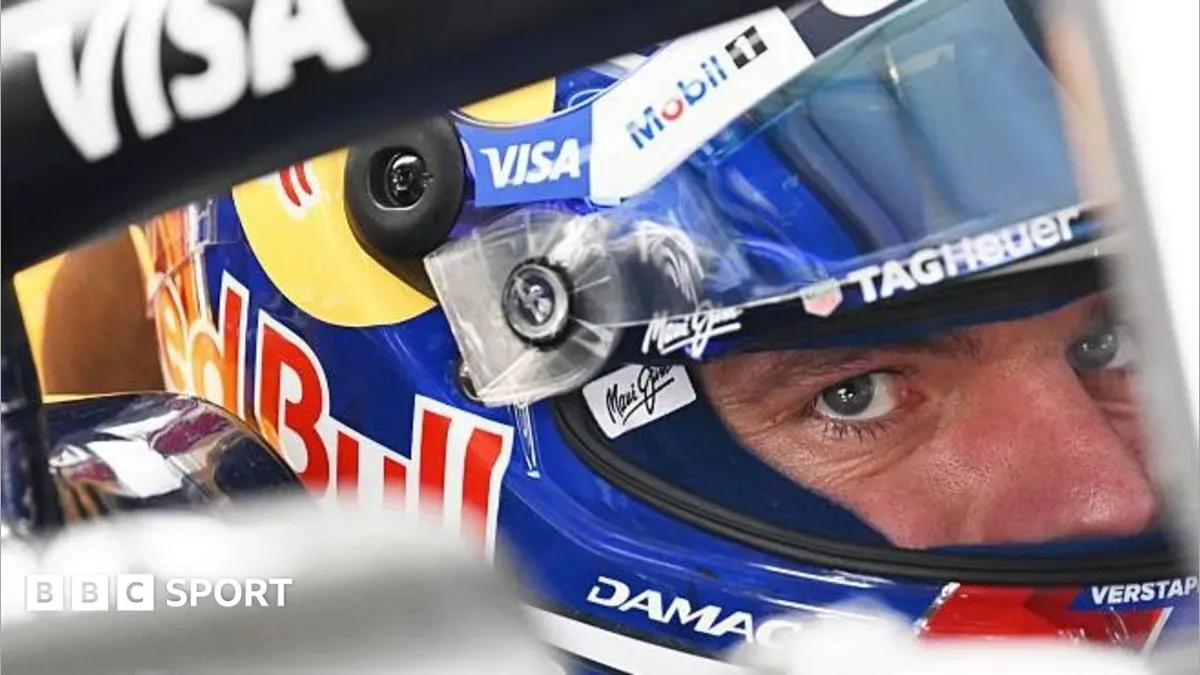
Despite starting third on intermediates, Verstappen got off to a terrible start and was soon overtaken by the two Mercedes cars. However, he refused to give up, settling into his new position and focusing on closing the gap.
Verstappen's experience eventually paid off as he passed George Russell on lap six and began to close in on Antonelli. The laps ticked by, with Verstappen gradually reducing the gap between himself and the championship leader.
At the back of the pack, some drivers who had started on slicks were making a bold move by switching to intermediates. McLaren's Oscar Piastri was one such driver, quickly catching up to cars that had stopped for tires and passing them with ease.
Hamilton, however, remained committed to his original strategy, opting not to change to intermediates despite the conditions. His decision would ultimately prove justified, as he managed to hold onto a strong position in the race.
The restart of the race brought a new wave of excitement to the track, with Verstappen taking advantage of the situation and pouncing on Antonelli to take the lead. His rival, Russell, was hot on his heels, moving into second place as the two drivers began to pull away from the rest of the pack.
Meanwhile, Hamilton's fortunes were quickly turning around after a slow start. He rapidly gained positions, climbing from 15th to 11th within just one lap and then continuing to make up ground with each passing moment.
Further back in the field, another driver was having a remarkable day. Fernando Alonso's Aston Martin had been criticized for its lackluster performance at the beginning of the season, but it seems that recent updates have made a significant difference. Alonso's car was now moving forward rapidly, and by lap 40 he had climbed into 10th place.
The front of the pack was still dominated by Verstappen, who continued to build on his lead. Antonelli had managed to get ahead of Russell for second place, but not before having asked his team if they could simply tell Russell to let him pass - a request that had been politely declined.
A major setback occurred when Alex Albon's Williams suffered a gearbox failure on lap 43, prompting the deployment of a virtual safety car. The affected car was unable to be moved easily due to its broken transmission, so a full safety car was eventually declared, bunching up the pack.
The safety car period gave drivers the chance to make pit stops and switch to fresh tires, with Verstappen and Hamilton among those who took advantage of this opportunity. However, disaster struck for Russell just as he emerged from his pit stop on lap 50 - his power unit failed once again, leaving him stranded by the side of the track.
The failure dealt a devastating blow to Russell's title hopes for next season, with the driver acknowledging that his chances were now effectively over due to the repeated issues with his car.
The chaotic Formula One race in Bahrain saw several drivers put on a thrilling display of speed and skill, despite the numerous issues that plagued the event.
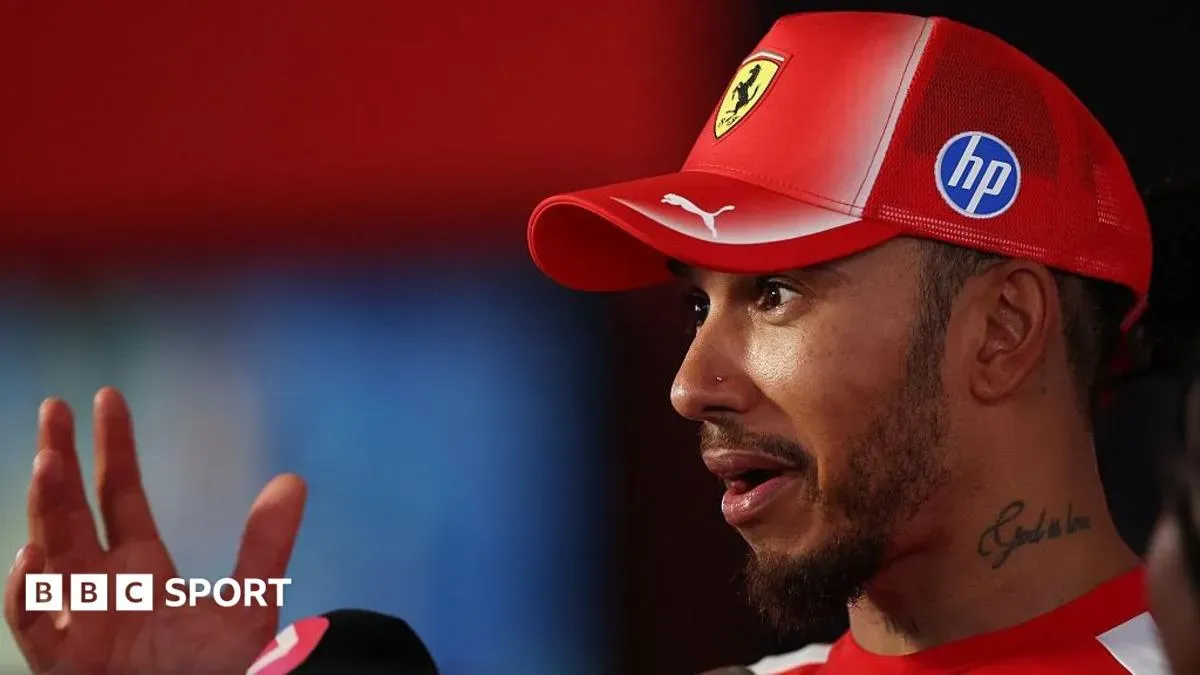
Hamilton's recovery drive to third place was particularly impressive, as he overcame a significant deficit to reach the podium. His Ferrari teammate Charles Leclerc also had a strong showing, passing the second Red Bull and salvaging Ferrari's day with a top-five finish.
Meanwhile, Antonelli continued his impressive form, closing down on Verstappen but ultimately unable to make a move for the lead. Alonso also made some significant gains, finishing in eighth place and securing Aston's best result of the year so far.
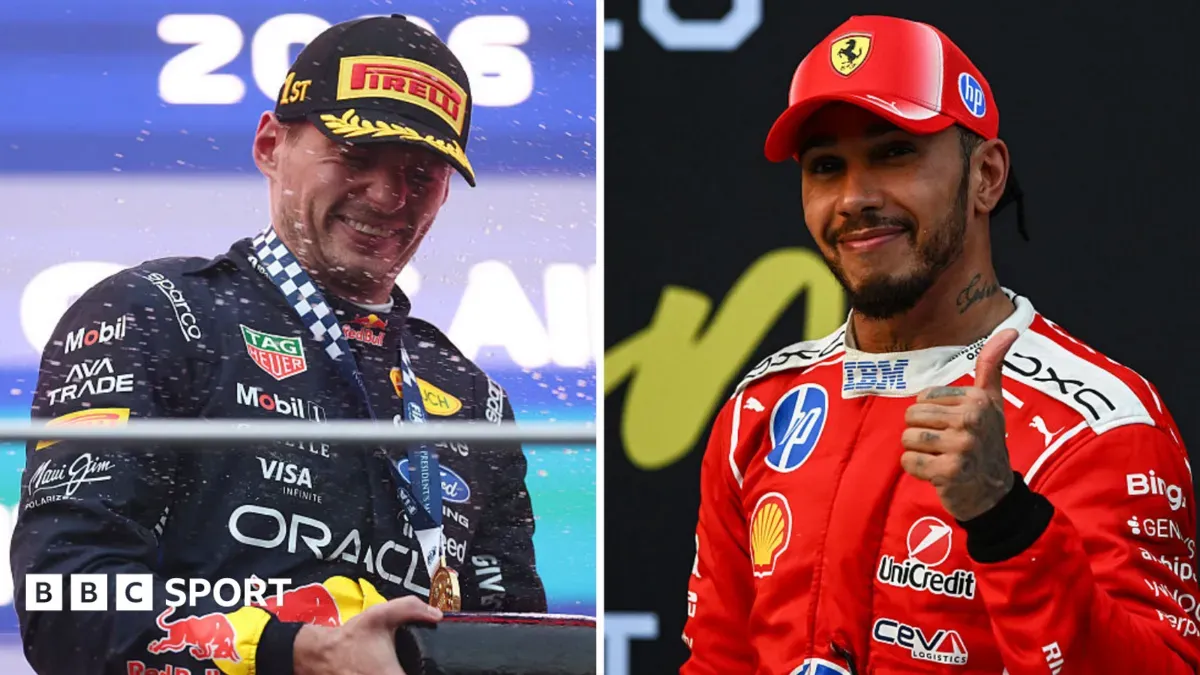
The driving talent on display was undeniable, with Hamilton, Verstappen, and Alonso between them boasting 13 world championships. Antonelli has been making waves this season, and his ability to stay competitive despite his occasional lapses is a testament to his skill as a driver.
However, the racing was overshadowed by the numerous issues that plagued the event, including the power unit problems that had dominated the headlines earlier in the day.
Several drivers expressed their frustration with the complexity of the current regulations, which they feel are too complicated and prone to causing technical issues. "The more complicated you make things, the more there is to go wrong," said Russell, highlighting the need for simpler systems in the future.
McLaren's Lando Norris echoed this sentiment, stating that the electronic side of the car was a major contributor to the problems they faced. Williams' Carlos Sainz also weighed in, questioning the decision to implement such complex regulations and suggesting that it may be time to re-evaluate their approach.
The Formula One season has been marked by a series of complex regulations that have left teams scrambling to adapt.
A software update was required for this year's Bahrain Grand Prix in Malaysia due to changes made to the power unit specifications, which will be rebalanced next year to give more power from the V6 engine and less from the electric motor. Another change is set to take place in 2028, with further adjustments planned for 2031 when F1 is likely to return to V8 engines and smaller hybrid systems.
The changes are intended to improve efficiency and reduce costs, but they have caused significant challenges for teams in recent months.
Facts based on reporting originally published by Ars Technica.
You may republish this story, in full or in part, if you credit Noti Group and link to it (licence CC BY 4.0). Photos are not included.