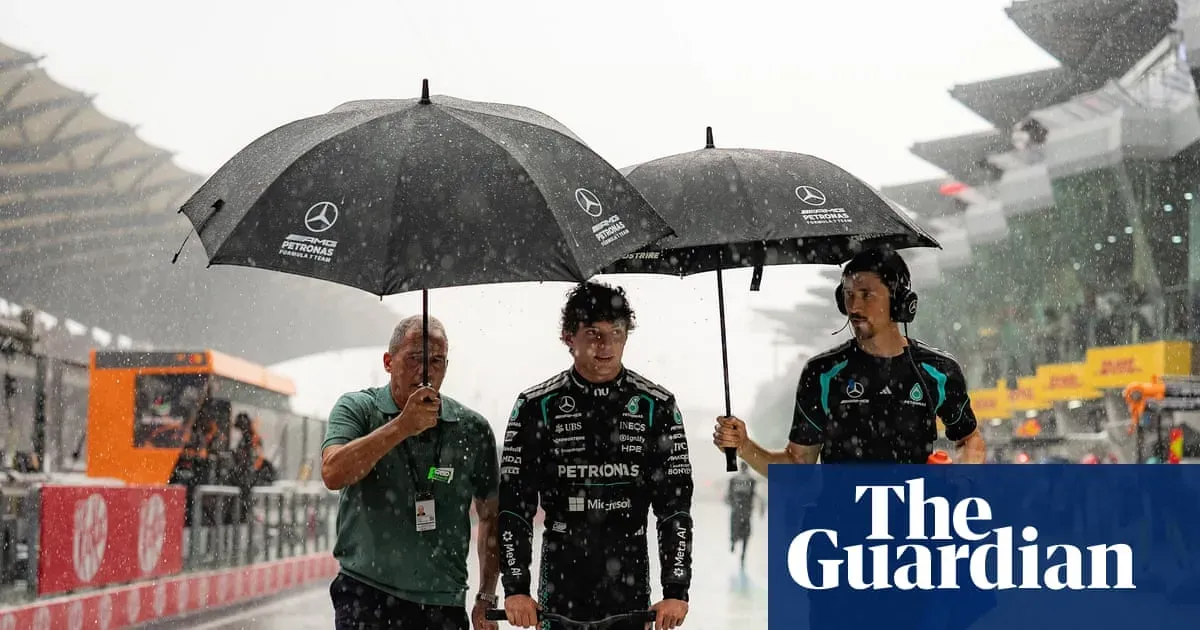








Bahrain Grand Prix Delayed Due to Software Glitches
A series of software glitches caused a delay in the start of the Bahrain Grand Prix on Sunday.
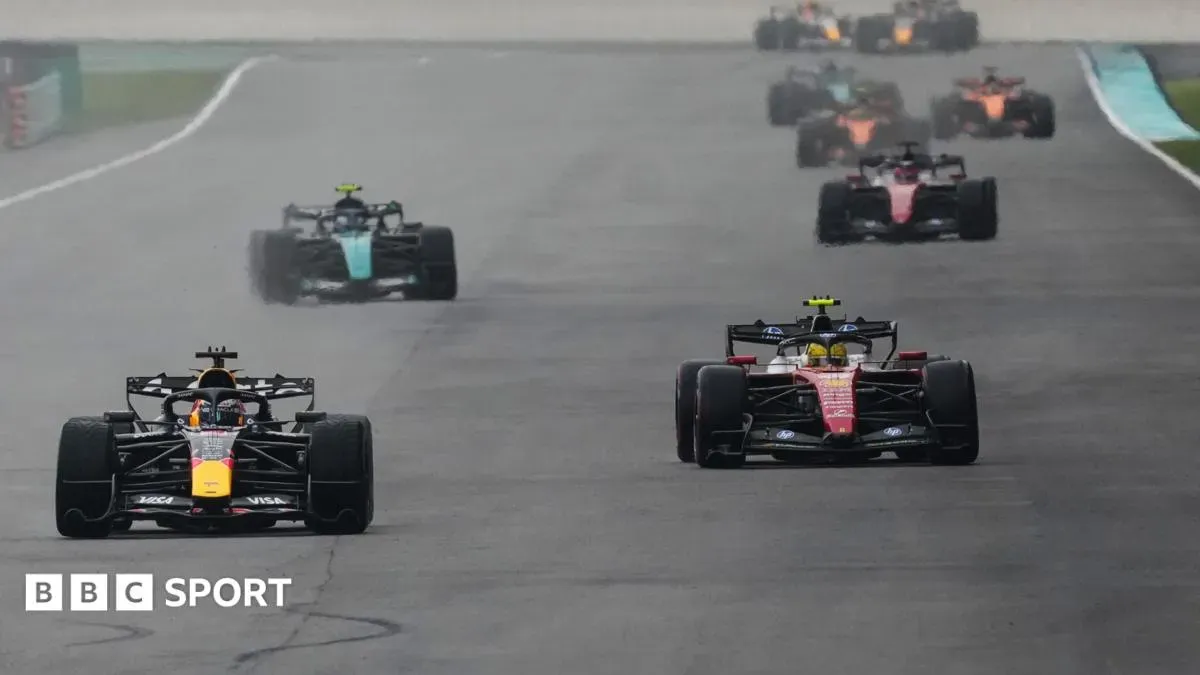
Formula 1 drivers and teams were left frustrated after a series of software glitches marred Sunday's Bahrain Grand Prix in Malaysia.
The issues arose from a bug in the wet-weather engine map, which caused several cars to struggle with movement during formation laps before the start of the race.
As a result, the scheduled start was abandoned, and new software code had to be issued. The delay led to the race starting an hour and a half later than planned.
Williams driver Carlos Sainz has spoken out about the situation, expressing his concerns that the sport needs to take a closer look at its regulations.
The FIA has initiated a thorough examination of the situation that led to the technical issue during the recent wet-weather running.
This review comes in response to the unusual circumstances that triggered the problem, which had not occurred previously this season due to the limited number of wet sessions held so far.
Red Bull team principal Laurent Mekies emphasized the importance of maintaining control over complexity in the cars and systems, suggesting that a more careful approach is needed to prevent such issues from arising again.
Mekies' comments are likely to spark further discussions among teams, the FIA, and F1 stakeholders about how to mitigate similar situations in the future.
The complexities of Formula One's current engine regulations are contributing to the problems faced by teams in managing their cars' energy levels during a race. The batteries, which are fully deploying and recharging multiple times per lap due to the way the rules have been structured, are one key area of concern.
A critical factor is the reduction of total electrical power from 350kW (470bhp) to 250kW (335bhp) when racing in wet conditions. This change has significant implications for car performance and handling, particularly on certain types of tracks where speed and agility are crucial.
The rules governing engine operation have been designed to mitigate some of the issues that arose, but they also introduce complexities that can affect a team's strategy and overall competitiveness. For example, cars often slow down at the end of straights to recharge their batteries, which can compromise the performance of certain sections of the track.
Many challenging corners are being used as "charging stations" for the car, with drivers intentionally slowing down in these areas to allow their vehicles to recharge. This has led to concerns about the impact on racing dynamics and fan engagement, particularly if such tactics become more prevalent throughout a season.
The changes to Formula 1's regulations have been ongoing this season, aiming to address various issues affecting the sport.
A key adjustment has been made to how much energy recovery teams can use, depending on the circuit's conditions - a factor that will become more pronounced as the cars continue to run under revised rules. By 2028, internal combustion engines are expected to account for 60% of power output, with electric assistance making up the remaining 40%. This shift is part of a broader effort to rebalance the energy split.
As teams and F1 officials work towards finalizing a new engine formula, they're exploring solutions that minimize the risk of energy starvation. One proposal under consideration involves V8 turbo engines with around 15-25% electrical power - primarily used as a push-to-pass system to give drivers an extra boost.
Facts based on reporting originally published by BBC Sport.
You may republish this story, in full or in part, if you credit Noti Group and link to it (licence CC BY 4.0). Photos are not included.