
Dejan Kulusevski Returns to Tottenham Hotspur After 18-Month Absence
Swedish midfielder Dejan Kulusevski has been out of competitive football for nearly two years due to injuries and team changes, but he is now edging closer to his first start since May 2025.
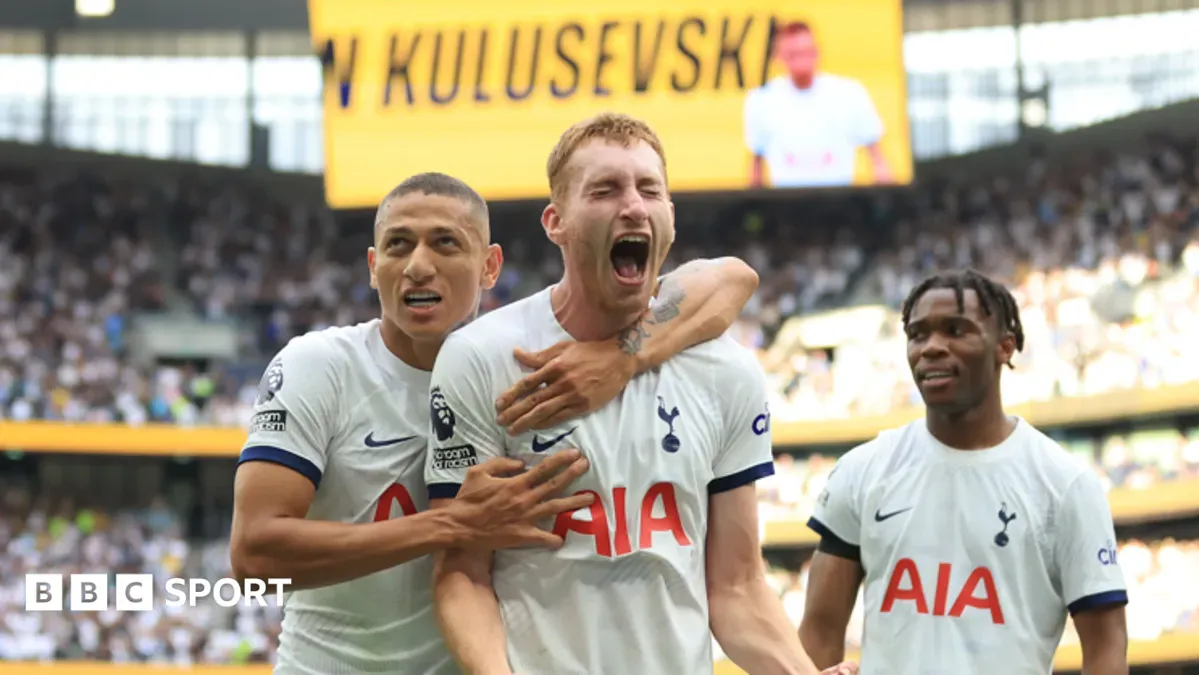
Dejan Kulusevski's last competitive match was 18 months ago, and his career has taken a dramatic turn since then. Tottenham Hotspur have undergone significant changes in management, with multiple coaches coming and going during his absence. The team has won the Europa League and appointed Roberto de Zerbi as their new manager, among other developments.
Kulusevski's injury woes started when he suffered a serious knee injury two weeks before the end of the 2024-25 season. This setback meant that he had to miss not only the remainder of that campaign but also the entire next season and even the 2026 World Cup. The emotional toll of his prolonged absence has been substantial.
In an interview, Kulusevski shared his struggles with loneliness and feeling forgotten by the world. He revealed that being away from the team for so long had a profound impact on his mental health. The player's words paint a vivid picture of the challenges faced by athletes who are forced to sit out due to injury.
The aftermath of such an extended absence can be particularly tough, especially when it involves missing major tournaments like the World Cup. Kulusevski is not alone in facing this situation; many footballers have had to confront similar dilemmas after being sidelined for significant periods.
Megan Finnigan, captain of Everton's women's team, has recently returned from a cruciate ligament injury that kept her out for 602 days. Her experience highlights the immense physical and emotional challenges faced by athletes during their recovery process. The thought of retirement crept into her mind multiple times during rehab, underscoring the psychological strain.
As Kulusevski edges closer to his first start since May 2025, he is likely reflecting on what this period has taught him about perseverance and resilience. His story serves as a poignant reminder of the sacrifices made by athletes who dedicate themselves to their craft despite the risks involved.
The wait is a long and arduous one, especially when it's not just your own recovery that's at stake, but also the success of your team.
For Kulusevski, the Europa League final against Manchester United was supposed to be a highlight of his season. He had much to look forward to off the pitch as well - plans were being made for his wedding to partner Eldina Ahmic.
However, that match against Crystal Palace would prove to be a turning point in his season. Kulusevski stayed down after a challenge with Marc Guehi and was able to walk unaided off the pitch but his problems had only just begun.
The initial diagnosis from Tottenham was that he would be out for "at least a few months" due to a patella and cartilage injury in his right knee. The pain, though significant, didn't hurt as much as the feeling of instability in his knee. He could feel it moving too much.
As the weeks turned into months, and those months into a year, Kulusevski's dream career was threatened with turning into a nightmare. His team went on to win the Europa League final without him, but he was there to watch, on crutches, feeling helpless.
The experience was one of the hardest days of his life, despite the joy of seeing his teammates celebrate their victory.
The emotional toll of a long-term injury can be felt not just by the player themselves but also by those closest to them.
Eldina, Kulusevski's wife, has witnessed firsthand the struggles her husband faced as he battled to recover from his knee injury. She describes the hardest moments as being when he missed out on major games and tournaments, including the Europa League final and the World Cup.
The news that Kulusevski would not be selected for the 2026 World Cup was a crushing blow, one that left him feeling defeated and uncertain about his future in football. In a phone call with Sweden boss Graham Potter, he learned of this disappointing decision, which made him question whether all his hard work had been worth it.
Despite his efforts to remain optimistic, Kulusevski couldn't help but feel like the world had moved on without him. He would often stare at the wall for hours, struggling to come to terms with the reality of his situation and wondering if he would ever be able to play football again.
As the months turned into a year and two months, Kulusevski's frustration grew. He was still unable to walk up stairs like a normal person, and he began to wonder whether he would ever regain his fitness levels. This uncertainty led him to contemplate what he would do if he couldn't continue playing football.
Kulusevski's two-year-old daughter Leonie brought him immense comfort during his darkest days on the road to recovery from injury.
The prospect of being unable to play football anymore made him think about finding joy in other things, especially spending time with his little girl.
But then came a crucial turning point when Kulusevski was finally cleared by specialists to resume training after his knee had healed sufficiently.
This breakthrough opened up new possibilities for the player, who had been facing an uncertain future due to his prolonged absence from the pitch.
When Kulusevski made his long-awaited return to action on 19 October, he received a hero's welcome from Tottenham fans in their match against Coventry City.
He came off the bench as an 87th-minute substitute and played a crucial role in securing a 3-1 victory for his team.
Kulusevski's daughter Leonie was waiting for him at the final whistle, wearing a Spurs shirt with a special message on it - 'My Hero'.
The timing of Kulusevski's return to action was also significant, as he had been out of commission for 526 days before making his comeback.
In recent weeks, Kulusevski has made four substitute appearances for Tottenham, totaling 42 minutes of playing time this season.
Kulusevski's emotional reunion with his daughter after the match was a heartwarming moment that highlighted the importance of family support during difficult times.
A few days ago, Kulusevski returned to international duty and came off the bench in Sweden's win against Bosnia-Herzegovina.
Megan Finnigan's prolonged absence from Everton's pitch due to injury has taken a toll on her mental well-being.
The 18 months spent away from competitive action have been marked by feelings of isolation and misery, according to Finnigan herself, who shared that she had become withdrawn and isolated during this period.
In an effort to cope with her emotions, Finnigan started keeping a diary to record her thoughts and feelings. She credits this habit with helping her navigate the darkest moments of her rehabilitation process.
The length of time it took for Finnigan to return to play has been quite remarkable - from suffering her injury in January 2025 until September of this year. Her prolonged absence is not an isolated case, however, as many professional athletes face similar challenges when dealing with serious injuries.
Finnigan's situation highlights the difficulties that female footballers often encounter during their recovery periods. Financial stability can be a major concern for those on short contracts, which adds to the stress and anxiety of managing an injury.
Former England midfielder Fara Williams echoes this sentiment, pointing out that players in the Women's Super League face unique challenges when it comes to balancing their physical and mental health with financial worries.
The mental toll of a prolonged injury can be overwhelming for athletes, as they struggle to come to terms with their new reality.
Living in denial is a common coping mechanism, but it does little to alleviate the emotional pain that comes with knowing one's career may be over.
Players often find themselves isolated and alone during this period, unable to participate in team activities or share their struggles with teammates. The feeling of being a ghost is a poignant description of this state.
As treatment options are gradually withdrawn, the athlete must confront the harsh reality of their situation and begin to plan for life after football.
Facts based on reporting originally published by BBC Sport.
You may republish this story, in full or in part, if you credit Noti Group and link to it (licence CC BY 4.0). Photos are not included.