





Dan Lin Leaves Netflix After Restructuring Decision
Dan Lin has left his position as Netflix's film chief after the company restructured its screen content business.
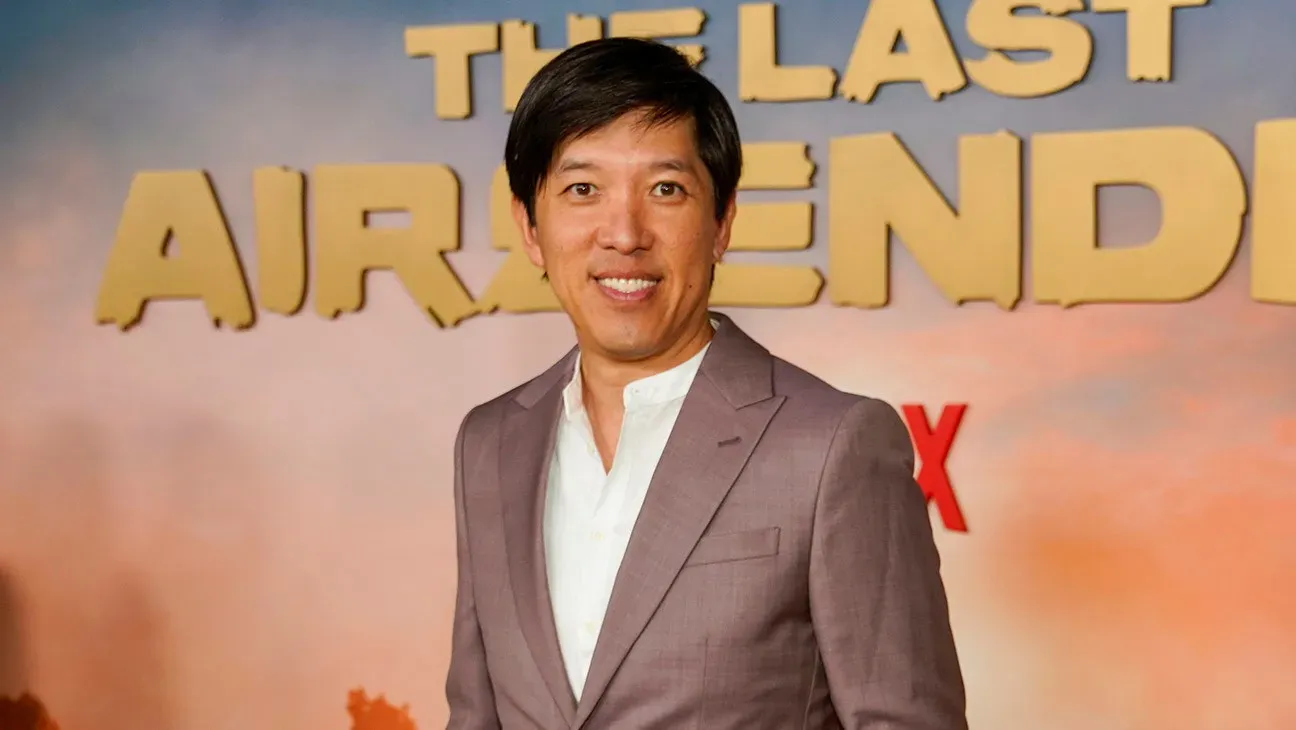
Dan Lin has left his position as Netflix's film chief, a move that comes after the company's decision to restructure its screen content business.
The news was announced on Monday, and Dan Lin confirmed his departure in an exit email to Netflix staff, citing advice from Bela Bajaria, the company's chief content officer who recently parted ways with Netflix.
Lin's tenure as film chief was marked by a focus on budget control, which was part of his original mandate when he was hired in the spring of 2024 by Bajaria.
His approach was aimed at improving the quality of Netflix's movie slate while reducing costs, a shift from the more expensive productions that had previously been greenlit.
Bajaria had encouraged Lin to be himself when taking on the role, and it seems that being Dan Lin was exactly what Netflix was looking for, until it wasn't.
Dan Lin is known for his experience as a movie producer behind hits like The Lego Movie and Aladdin, which grossed over $1 billion worldwide.
Despite his reputation as a tough executive, Dan Lin was able to secure high-profile talent for Netflix projects. Sources close to the matter claim that he landed unannounced deals with big names such as Keanu Reeves and Ben Stiller.
Lin's ability to attract top talent is all the more impressive considering some filmmakers have publicly expressed frustration with his communication style. Insiders describe him as "frank" and "blunt in his feedback, which may not sit well with artists who are accustomed to being handled with care.
Not everyone seems to have had issues with Lin's approach, however. Guillermo del Toro, the acclaimed director of Frankenstein and Pinocchio, has reportedly re-upped his film deal with Netflix while working under Lin's leadership.
Additionally, David Fincher is set to leave Netflix when his current deal expires next year, but sources say this decision was not influenced by Lin's management style. In fact, one insider claims that Fincher's departure had zero to do" with the executive.
As Dan Lin's departure from Netflix becomes clearer, his film slate is still making waves at the box office. Two movies released earlier this year, War Machine and Remarkably Bright Creatures, have garnered significant viewership numbers despite being among Lin's early greenlights.
In an effort to bolster the 2025 film slate, Lin greenlit several projects, including Nonas, Happy Gilmore 2, My Oxford Year, The Thursday Murder Club, and House of Dynamite. Additionally, he acquired rights to Train Dreams, a movie that could potentially be an Oscar contender.
Industry insiders are now speculating about Lin's next move after leaving Netflix behind. Given his previous experience building the production company Rideback, it seems unlikely that he would return to this venture, which he divested from when taking on the Netflix role.
Instead, some expect him to explore new opportunities, such as a recently announced AI animation tech startup that he co-founded last year. Others point out that the core issue lies not with individual executives but with Netflix's business model itself.
The shift in Netflix's business model is becoming increasingly apparent as the streaming giant expands its theatrical footprint. After years of prioritizing streaming releases over traditional cinematic experiences, the company is now embracing a more hybrid approach. This change is evident in its handling of La Bola Negra, which is receiving one of the most robust theatrical releases in Netflix history.
La Bola Negra, acquired from the Cannes Film Festival this year, has earned $277,500 across just four screens, with Netflix even reporting on its theatrical earnings. This figure may seem modest, but it represents a significant departure from the company's previous stance on theatrical releases. The success of La Bola Negra is likely to pave the way for other Netflix titles to receive more extensive theatrical runs.
In another notable development, Greta Gerwig's upcoming Narnia movie will receive an exclusive 49-day theatrical run in February. This marks a significant shift from Netflix's previous policy of releasing films directly to streaming platforms. By partnering with Sony Pictures Entertainment for international distribution and handling North American releases itself, Netflix is acknowledging the value of traditional cinematic experiences.
The expansion of Netflix's theatrical footprint is not limited to these individual titles. The company has also secured full theatrical releases for upcoming movies, including the Kpop: Demon Hunters sequel. This move marks a significant departure from the stream-or-die mentality that has defined Netflix's business model in recent years.
While some may see this shift as a response to changing consumer habits, others argue that it is a necessary adaptation to stay competitive in the film industry. As theatrical releases continue to bounce back, driven by big spectacle films and younger audiences seeking in-person experiences, Netflix's new approach appears to be more in line with industry trends.
The implications of these changes are far-reaching, particularly for those who have been critical of Netflix's business model. With its expanded theatrical presence, the company is acknowledging the value of traditional cinematic experiences and adapting to changing consumer habits.
The search for Netflix's next film chief has taken a significant turn with reports emerging that Pamela Abdy and Michael De Luca are in talks to join the streamer. This development comes as the company looks to rebuild its leadership team following the departure of Dan Lin.
Abdy and De Luca, who were recently ousted from their roles at Warner Bros., bring a wealth of experience to the table, particularly when it comes to cultivating relationships with filmmakers who prioritize theatrical releases. Their expertise in this area is seen as crucial for Netflix's future success, especially given its struggles to secure an Academy Award for Best Picture.
The potential arrival of Abdy and De Luca would also align with Netflix's desire to produce more films that are released theatrically. This shift in strategy reflects the company's growing recognition of the value of traditional cinematic experiences in today's changing entertainment landscape.
As Netflix continues to navigate its new leadership structure, including the appointment of Peter Rice as chief content officer, the streamer is facing a period of uncertainty. With multiple executives vying for influence and a shifting corporate landscape, it remains to be seen which direction the company will ultimately take under its new leadership.
Netflix's recent leadership shake-up has left many wondering about the company's future direction. In a memo sent to employees on Monday afternoon, Dan Lin acknowledged that uncertainty is a common aspect of the entertainment industry.
The changing landscape of Netflix and its internal power dynamics have created an environment where multiple executives are vying for influence. With a shifting corporate landscape and new leadership at the helm, it remains to be seen what path the company will ultimately take.
Facts based on reporting originally published by The Hollywood Reporter.
You may republish this story, in full or in part, if you credit Noti Group and link to it (licence CC BY 4.0). Photos are not included.