






Broadcast Television Companies Poised to Reap Significant Share of Midterm Election Ad Spend
As the midterm elections approach, broadcast television companies are expected to capture 48% of the estimated $5.6 billion in political ad spend.
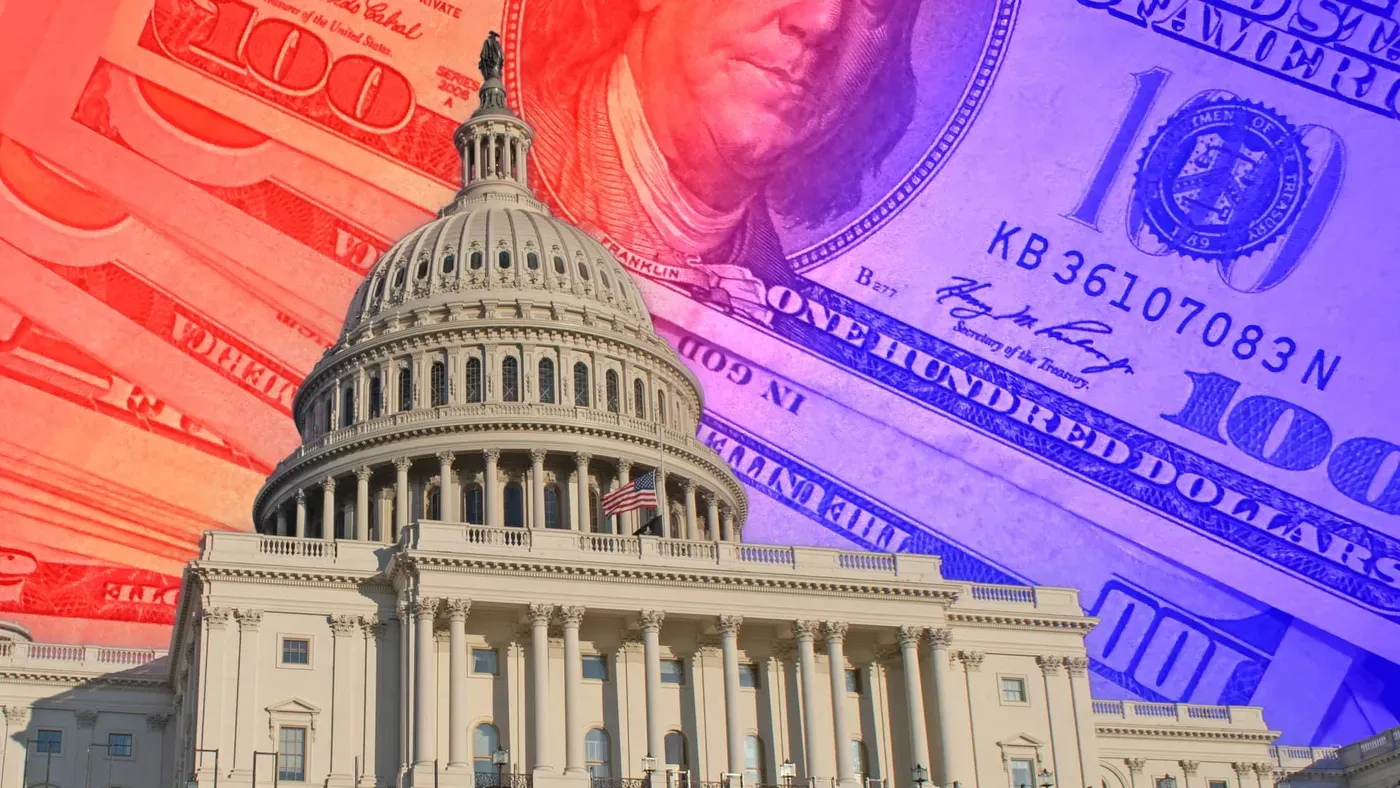
Despite the shift of advertising dollars towards digital platforms and streaming services, the battle for airtime continues unabated as the midterm elections approach.
Broadcast television companies are poised to reap a significant portion of the estimated $5.6 billion in political ad spend ahead of the midterms, with AdImpact forecasting that they will capture 48% of the total.
The upcoming election cycle is expected to be the most expensive on record, with a predicted $11.6 billion in total spending, surpassing even the $8.9 billion spent during the 2022 midterms and the $11.2 billion allocated for the 2024 presidential election cycle.
According to AdImpact, broadcast companies will receive a substantial share of this estimated $5.6 billion, while also accounting for just 7.7% of the total general advertising spend in the United States this year, which is forecast to exceed $470 billion.
"It's still a local game," said StoneX Equity Research Analyst Daniel Kurnos, emphasizing that winning counties requires reaching voters in specific areas, and broadcast audiences are often more politically active than those tuning into digital platforms.
Broadcast advertising remains a crucial tool for reaching voters, according to Terry Nelson, a founding partner of Plus Communications and former national political director for President George W. Bush's 2004 reelection campaign.
The key advantage of broadcast spots lies in their ability to reach large numbers of voters efficiently and at a relatively low cost, Nelson explained. This is particularly significant given the broad accessibility of broadcast television, which remains free despite the rise of cord-cutting and streaming services.
Cable TV still lags behind broadcast in terms of hours used by viewers, according to Nielsen's latest monthly report, The Gauge. While streaming dominates with 49% market share, broadcast accounts for 19.5%, a significant margin ahead of cable's 18.7%.
The power of broadcast television in shaping voter opinions cannot be overstated. According to industry experts, a significant portion of voters trust their local broadcast TV news over digital channels. This is because viewers are accustomed to relying on broadcast for accurate and unbiased information.
Seitter, an expert in the field, emphasizes that broadcast's long history and reputation for integrity contribute to its influence on voter behavior. When voters see a political ad on broadcast, they are more likely to trust its content due to the platform's well-established rules and regulations.
A study by TVB found that a substantial majority of both Democrats and Republicans consider broadcast or cable television as the most important form of advertising media in influencing their voting decisions. This suggests that despite the rise of digital platforms, traditional TV remains a crucial tool for political campaigns seeking to sway voters.
Experts point out that there is clear evidence supporting the effectiveness of broadcast ads in shaping voter opinions. Multiple studies have shown a correlation between the number of points purchased on TV and changes in poll numbers, underscoring the platform's enduring influence.
The perceived influence of broadcast television can be attributed to its long history, which has earned it a reputation for trustworthiness among viewers. This is an important consideration for political campaigns seeking to maximize their impact through advertising.
The traditional method of campaign advertising remains a crucial factor in election strategy, despite growing digital influence.
Brydges attributes this persistence to familiarity and routine, suggesting that many campaigns continue to rely on television due to comfort with established practices.
This reliance is also linked to the notion that buying more TV time is often seen as a safe option for political consultants, who may be hesitant to deviate from tried-and-true methods.
Broadcast companies are currently benefiting from increased advertising spending, which has boosted their revenue in recent quarters.
Publicly traded broadcasters such as Nexstar Media Group and Gray Media have reported significant growth in political advertising revenue during the latest fiscal periods, with forecasts indicating continued increases through the fall.
The influx of low-lift revenue from political advertising is critical for these companies, particularly in managing debt, according to StoneX's Kurnos.
Gray Media is another company that could be a significant player in the political advertising landscape. Its stations operate in key markets where competitive races are expected to drive up ad spend, including 12 Senate and all 11 gubernatorial contests.
This exposure could potentially translate into substantial revenue for Gray Media, especially considering its history of efficiently generating political advertising income. In fact, Kurnos notes that Gray has consistently been the most effective broadcast group in this regard.
In line with these observations, other media companies like Sinclair and Scripps have also highlighted the importance of political ad revenue in their recent earnings reports. For instance, E.W. Scripps reported a record-breaking second-quarter level of political ad revenue, while Sinclair saw a 9% increase from the same period two years ago.
Connected TV is another area that's gaining traction in terms of political advertising spend. According to AdImpact, it's poised to capture around 23% or $2.7 billion of this cycle's ad spending and continue to expand its share.
The shift to streaming services and connected TV platforms has not yet led to a complete abandonment of traditional airwaves for political advertising campaigns.
Many campaign consultants may still be unfamiliar with newer streaming services like Pluto and Tubi, which could lead them to overlook their potential value in reaching targeted audiences.
However, industry insiders believe that this is changing as more consultants become aware of the benefits these platforms offer, particularly when it comes to specific audience targeting features.
This increased awareness has led some political advertising strategists to recognize the importance of maintaining a diverse portfolio that includes both traditional and digital platforms.
Facts based on reporting originally published by CNBC.
You may republish this story, in full or in part, if you credit Noti Group and link to it (licence CC BY 4.0). Photos are not included.