






A24's "You Can See Everything" Boosts Demand for Tell-All Documentaries
The success of A24's documentary about Elizabeth Holmes has highlighted a key trend in the industry: tell-all documentaries breaking through despite industry woes.
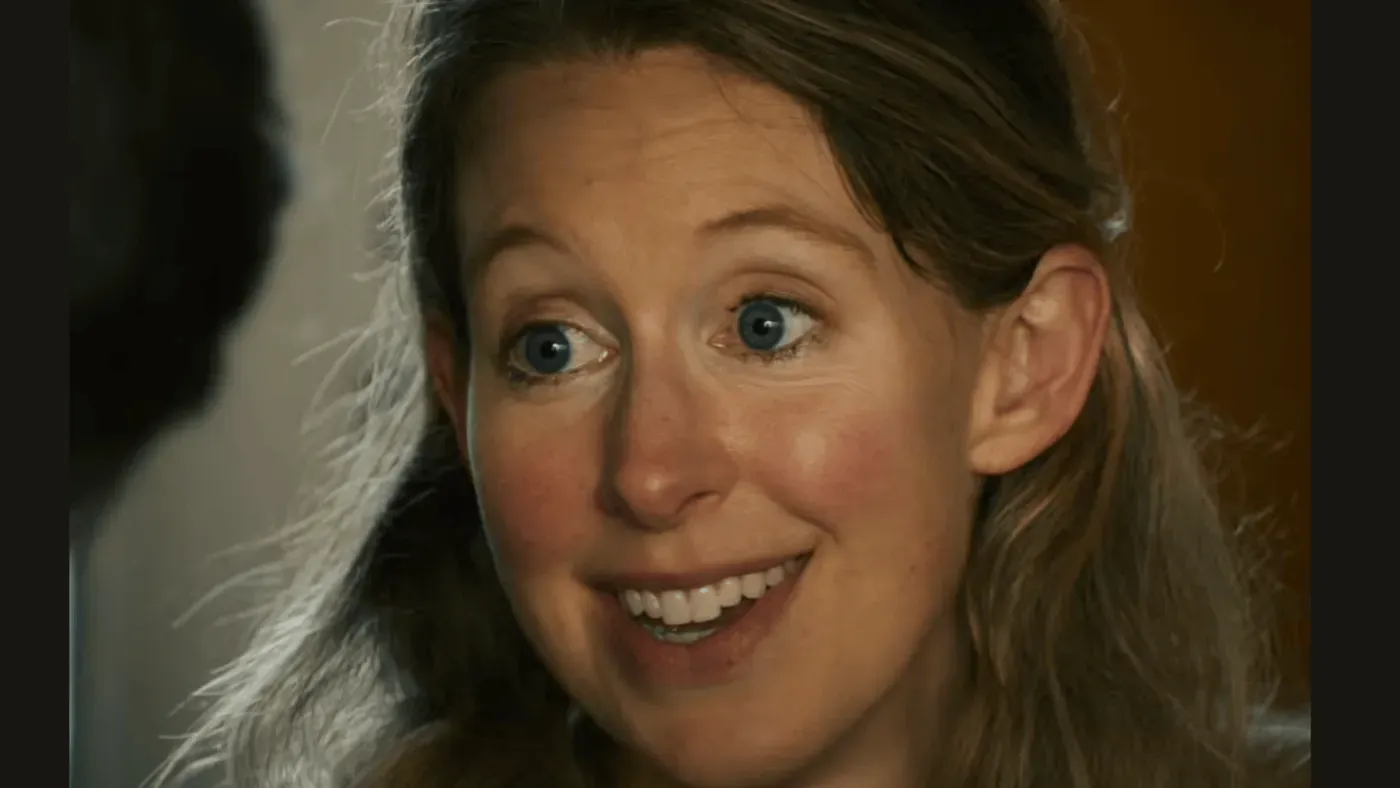
The success of A24's documentary "You Can See Everything" about Elizabeth Holmes has highlighted a key trend in the industry: tell-all documentaries are breaking through, despite industry woes. The film's box office performance was discussed at the MIA Market in Rome on Thursday.
According to Lea Fels, partner and co-owner of Dutch documentary maker Scenery, factual films that expose scandals or celebrity secrets are currently in high demand by global audiences. She noted that it often takes a combination of factors, such as celebrity involvement or investigative storytelling, to make these documentaries successful.
The current market for documentaries appears to be driven by stories that pull the curtain back on fame and tabloid scandals. A number of examples were cited at the MIA Market in Rome, including Alex Gibney's four-hour dissection of Elon Musk and Disney's intimate Oasis reunion movie, NAZA.
Anna Godas, CEO of U.K.-based Dogwoof, emphasized the importance of considering content that can be targeted towards streamers or U.S. buyers when producing documentaries about celebrities. She observed that unless a story involves crime or features a famous individual, it may not resonate with audiences.
Documentaries that have recently been gaining attention include Gaza, a politically charged film from Israeli directors Yuval Abraham and Rachel Szor, as well as They're Here, an ICE documentary by Laura Poitras and Rachel Lauren Mueller.
To cope with the challenges facing documentary producers, some filmmakers are experimenting with new formats and distribution channels. Dogwoof is pioneering bite-sized non-fiction films structured like micro dramas, while also releasing short documentaries on YouTube through its A Coffee With… series.
This shift in approach allows audiences to access documentaries without being limited by traditional gatekeepers. According to Godas, this flexibility enables a wider range of voices and perspectives to be heard. The goal is to make high-quality content more accessible and appealing to a broader audience.
The financial constraints faced by documentary producers are also being felt by public broadcasting networks. THIRTEEN, the PBS station in New York City, has seen its funding dwindle after the Trump administration withdrew indirect support for NPR and PBS in 2025. This setback has prompted the network to develop a new financial model.
In response to the loss of funding, THIRTEEN is now seeking partnerships with distributors or investing its own funds to keep series going. As Carter explained, this approach enables the network to continue producing high-quality documentaries despite the changed landscape.
The current climate requires documentary producers to balance their creative vision with commercial viability. According to Fels, every project poses a challenge, but finding the right partners can help mitigate these risks.
Finding accessible projects that resonate with audiences is crucial in balancing creative vision and commercial concerns. This challenge was addressed through the release of NAZA, a documentary film from Israeli directors Yuval Abraham and Rachel Szor, which premiered in UK theaters.
The U.K. rights to the film mostly reside with The Guardian, which plans to stream it for free on its website starting in November.
Facts based on reporting originally published by The Hollywood Reporter.
You may republish this story, in full or in part, if you credit Noti Group and link to it (licence CC BY 4.0). Photos are not included.