






Tigray Conflict Escalates as Fighting Between Federal Government and TPLF Continues
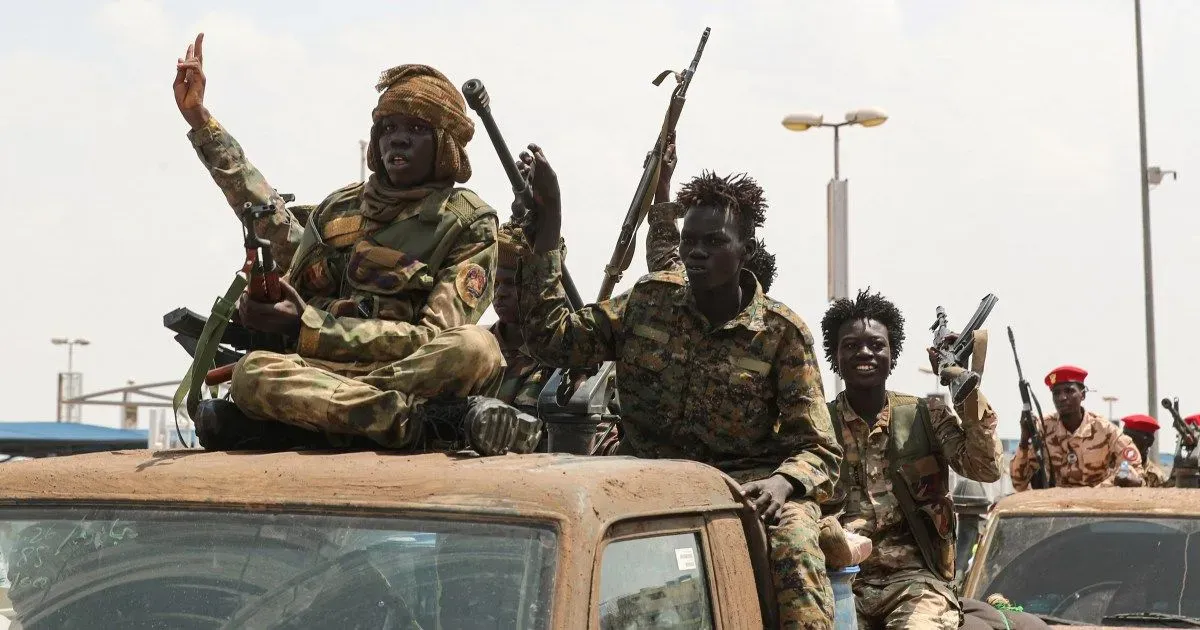
Renewed conflict in Ethiopia's northern region of Tigray has sparked fears of a fresh humanitarian crisis, with fighting escalating between the federal government and the Tigray People's Liberation Front (TPLF).
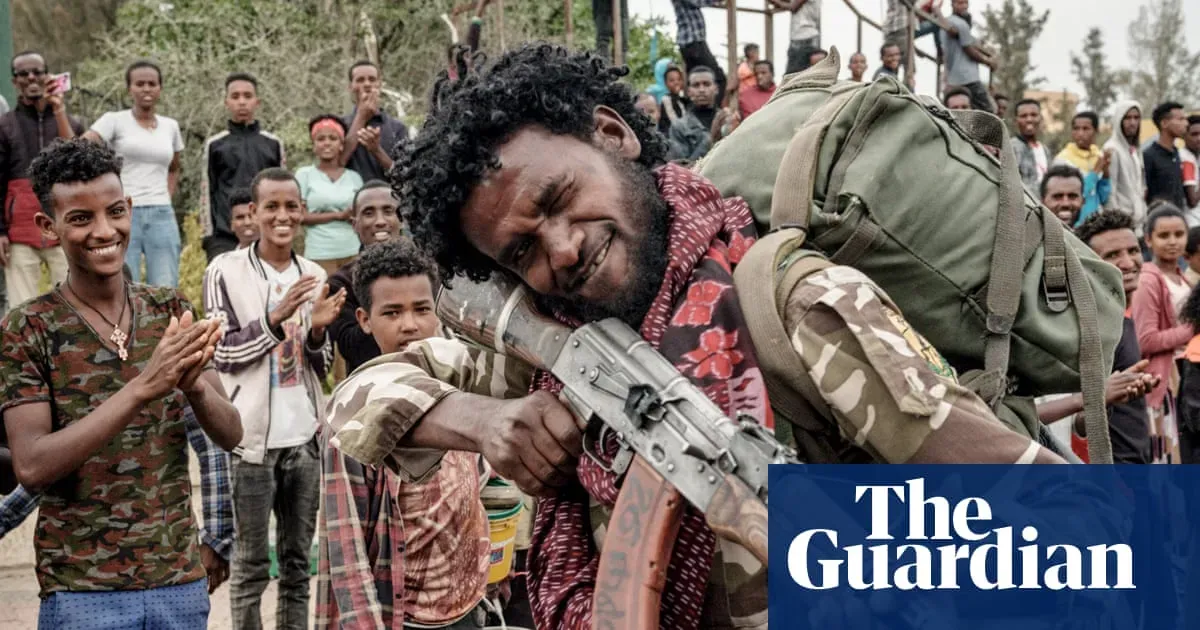
Renewed conflict has broken out in Ethiopia's northern region of Tigray, sparking fears of a fresh humanitarian crisis as fighting escalates between the federal government and the Tigray People's Liberation Front (TPLF).
The violence restarted on 23 September, shattering a fragile peace agreement signed in November 2022 by the Pretoria government. This latest escalation follows months of increasing tensions, which culminated in the TPLF launching an attack it claims was in response to drone strikes by the federal government.
Eyewitnesses have come forward with harrowing accounts of forced recruitment campaigns being waged across Tigray, targeting men and boys aged 15 to 65. These efforts are allegedly part of a broader strategy by armed groups in the region to expand their ranks.
The Eritrean Defence Forces and Amhara militias, previously implicated in war crimes and crimes against humanity during the 2020-22 conflict, have surprisingly switched allegiances and are now fighting alongside the TPLF.
The situation in Tigray is becoming increasingly dire as reports emerge of forced recruitment by rebel groups. Young boys are being rounded up from the streets and public transportation areas at gunpoint, allegedly to join the fighting forces.
According to eyewitness accounts, people between the ages of 15 and 40 are being targeted for recruitment. This has sparked fears among locals who have managed to flee to Addis Ababa, with many expressing concern about the safety of their loved ones left behind.
The forced recruitment efforts are said to be a desperate measure by rebel groups struggling to maintain momentum on the battlefield. With the suspension of flights to and from Tigray, many people have been stranded in Mekelle, leaving them vulnerable to recruitment attempts.
As tensions escalate, residents who have managed to escape the region are sharing harrowing accounts of life under siege. Those caught up in the conflict face an uncertain future, with reports suggesting that even those who refuse to join the fighting forces may be targeted by rebel groups.
The economic hardship caused by the siege has added to the distress of Tigray residents, who are now struggling to access their own money.
Citizens' bank accounts were suddenly frozen by the federal government, leaving people unable to withdraw their funds. This move had severe consequences for those relying on their savings to cope with the rising costs of living.
The banks have since reopened, but with a daily withdrawal limit of 2,000 birr (£9), which is hardly sufficient to cover the surging food prices in the region. Long queues are forming outside branches as people try to access what little money they can.
The economic strain has been compounded by the escalating conflict, which shows no signs of abating. With the situation on the ground deteriorating rapidly, it's becoming increasingly difficult for residents to plan their future or even leave the embattled region.
As one elderly man in Mekelle pointed out, with no clear end to the siege and war in sight, people are finding it impossible to make ends meet, let alone send money or supplies from outside.
The isolation imposed by the TPLF's communication blackout has left families in a state of perpetual uncertainty, desperately seeking news about relatives trapped in the conflict zone.
Indiscriminate drone airstrikes by the Ethiopian government have been reported, causing widespread fear among civilians, while opposition forces have been accused of launching attacks that are increasingly close to Addis Ababa.
As the Tigray conflict rages on, it has resulted in a staggering loss of civilian life, with estimates suggesting between 300,000 and 800,000 people have died.
Facts based on reporting originally published by The Guardian World.
You may republish this story, in full or in part, if you credit Noti Group and link to it (licence CC BY 4.0). Photos are not included.