





Omar Radi Subjected to Years of Surveillance by Moroccan Authorities
A new report by Amnesty International alleges that Omar Radi was targeted for his investigative reporting on land dispossession in Morocco, using a sophisticated mobile surveillance tool and physical agents.
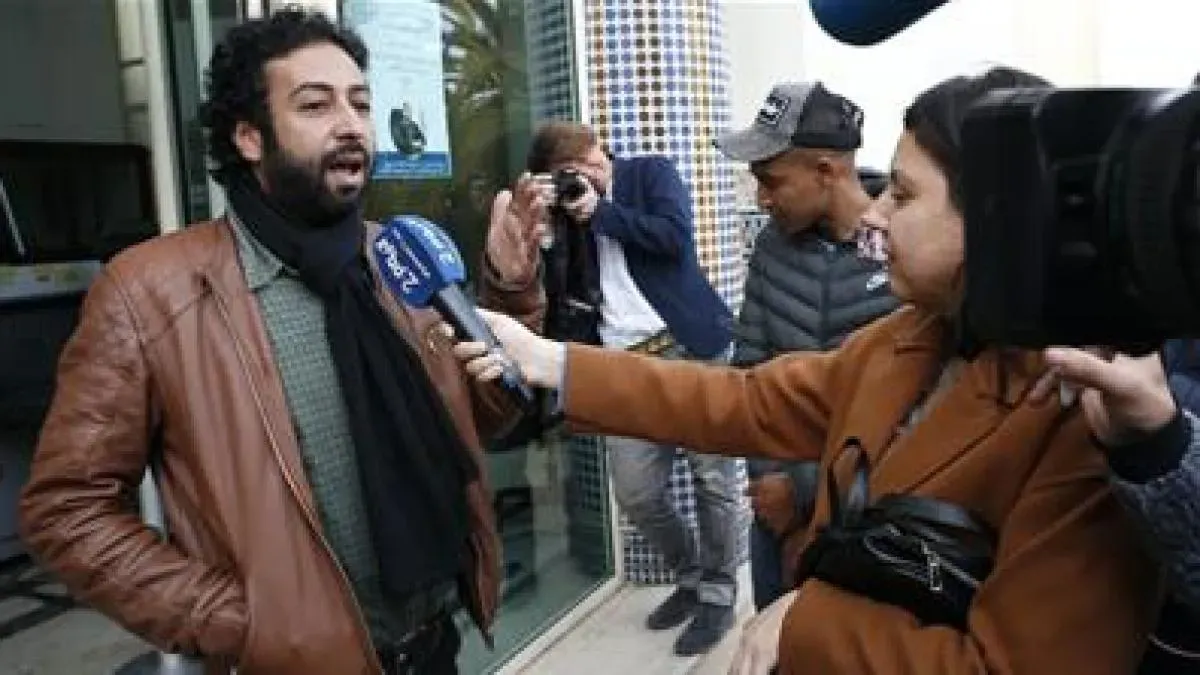
Moroccan Journalist Recounts Years of Surveillance Amid New Amnesty Claim
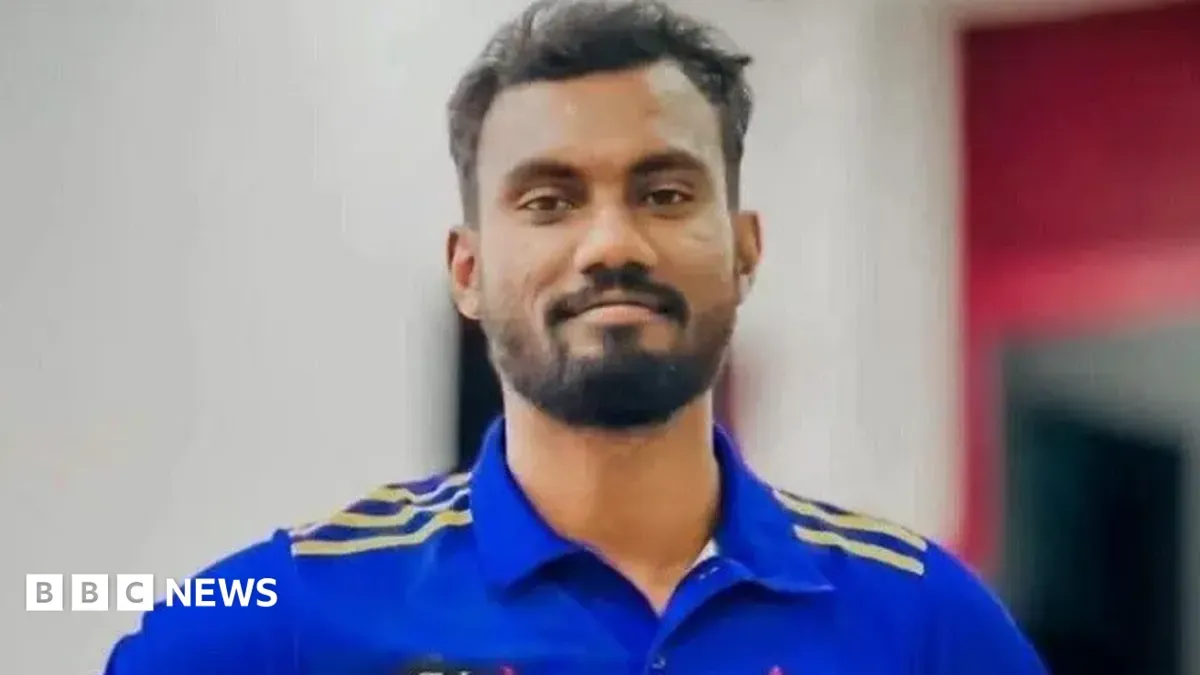
Omar Radi, a journalist and human rights defender based in Germany, has spoken out about his experiences being surveilled by Moroccan authorities. He claims that he was targeted due to his investigative reporting on land dispossession in Morocco.
According to Radi, the surveillance began in 2018 and continued until 2020. During this time, he noticed unusual behavior from his phone, including rapid battery drain, rising temperatures, and slow network speeds. These signs were indicative of a sophisticated mobile surveillance tool being used against him.
The physical surveillance accompanying the digital monitoring was also blatant, with Radi claiming that authorities would send agents to follow him daily. The agents would gather information from local sources such as parking attendants and shopkeepers, and would often abandon their posts when confronted by Radi.
Radi's case is part of a larger pattern of surveillance documented in a new report by Amnesty International. Titled "We Start With the Verdict: Inside Morocco’s Surveillance Machine", the report details four cases of journalists being targeted for their work.
A former employee of Morocco's General Directorate for Territorial Surveillance (DGST) has come forward as a whistleblower, using the pseudonym Safir. This individual's testimony was corroborated by Amnesty through independent sources and technical evidence, including interviews with 10 people identified as surveillance targets.
According to Safir, the DGST is behind the deployment of Pegasus spyware in Morocco, which Amnesty documents as being used to target activists and journalists between 2017 and 2021. This finding challenges Morocco's previous denials of using Pegasus for such purposes.
The Amnesty report has been particularly significant for journalist Radi, who was targeted by surveillance. He stated that the report connected many dots regarding his experiences under tight surveillance, including his police interrogations and trial where many of his rights were not respected.
Moroccan authorities have rejected Amnesty's allegations in the past, challenging them to provide material evidence supporting their claims. In 2020 and 2022, statements were issued by Moroccan authorities, but they failed to address the specific findings presented by Amnesty.
Amnesty documents a pattern of abuses involving Pegasus spyware against activists and journalists between 2017 and 2021 in Morocco. The report highlights the extent to which these individuals have been targeted, with their communications intercepted and monitored through sophisticated surveillance techniques.
The Moroccan government has yet to respond to allegations of widespread surveillance made by Amnesty International. Despite being given four weeks' notice before publication, officials have remained silent on the matter. Meanwhile, Al Jazeera also sought comment from Moroccan authorities but received no response at the time of writing.
Moroccan media outlets have been quick to defend their government's actions, with Le360 raising questions about the methods used by Amnesty to compile its report. The outlet argued that simply having a phone number listed in Pegasus targeting records does not necessarily prove that a device was infected or who ordered the alleged attack. This skepticism is part of a broader campaign to discredit Amnesty's findings.
According to the Amnesty report, Morocco's use of Pegasus spyware became fully operational by October 2017. One notable case highlighted in the report involves human rights lawyer El Bouchattaoui, whose phone number was entered into the system in September 2017 and selected for targeting just weeks later. An infection link was then sent to his phone via text message.
Amnesty's analysis of Pegasus records revealed that between September and December 2017, a total of 103 Moroccan phone numbers were matched to individuals identified as potential targets. Of those, 65 were confirmed to be members of civil society, including 34 human rights defenders, 22 journalists and media workers, five lawyers, and four academics.
The report describes a surveillance apparatus that employs both digital and physical methods to monitor its targets. According to Amnesty's sources, targeted individuals were secretly filmed and recorded in various locations, including detention centers, offices, cars, cafes, and even their own bedrooms.
The DGST's surveillance tactics extended beyond individual targets to include their surroundings. Phone shops were enlisted to sell devices infected with spyware, allowing the agency to compromise its victims' digital security. This approach was part of a broader strategy to infiltrate every aspect of a target's life.
To monitor online activity, the DGST exploited vulnerabilities at internet cafes. Field agents would identify which cafe a target frequented and gain access to the computer they used, allowing operators to track calls, read messages, view photographs, and record audio in real-time. This enabled the agency to stay one step ahead of its targets.
Similar tactics were employed against activist Abdelmoumni, who was secretly filmed at home with his fiancée in 2021. The footage, which appears to have been captured through a hidden camera, suggests that even intimate spaces were not off-limits for DGST surveillance.
The agency's methods were designed to leave no trail of evidence behind. Safir described the episode as a textbook example of this approach, with the goal of making it impossible to prove any wrongdoing on the part of the DGST.
Taoufik Bouachrine, a prominent Moroccan journalist and host of the Talk on Politics podcast, observed that inventive methods are often used in Arab countries to silence journalists and deter them from pursuing investigative stories. He noted that this is particularly true when reporting on issues such as financial corruption and the abuse of power.
Journalists in Morocco have faced years of surveillance, with some experiencing severe consequences for their work.
Fabricating criminal cases against journalists is one method used to silence them, often involving allegations that can be devastating in a conservative society. These accusations are essentially a form of moral execution, aimed at discrediting and intimidating journalists who dare to report on sensitive topics. By doing so, the authorities hope to instill fear and self-censorship among the press.
A prominent example is the case of journalist Ali Bouachrine, who was arrested in 2018 on charges of rape and human trafficking. He has consistently denied these allegations, claiming that his prosecution was a direct result of his investigative reporting. The United Nations Working Group on Arbitrary Detention found Bouachrine's detention to be arbitrary and subjected him to judicial harassment.
Bouachrine spent over six years in prison before being released under a royal pardon, but by then his newspaper had already ceased operations due to the government's deliberate efforts to starve it of advertising revenue. This tactic is another way for authorities to strangle investigative journalism, effectively silencing those who dare to expose truth and corruption.
Facts based on reporting originally published by Al Jazeera.
You may republish this story, in full or in part, if you credit Noti Group and link to it (licence CC BY 4.0). Photos are not included.