




The Flaw Set for World Premiere in Baltic Film Competition
The film is a Greece-Latvia co-production based on Antonis Samarakis' novel of the same name and explores totalitarianism.
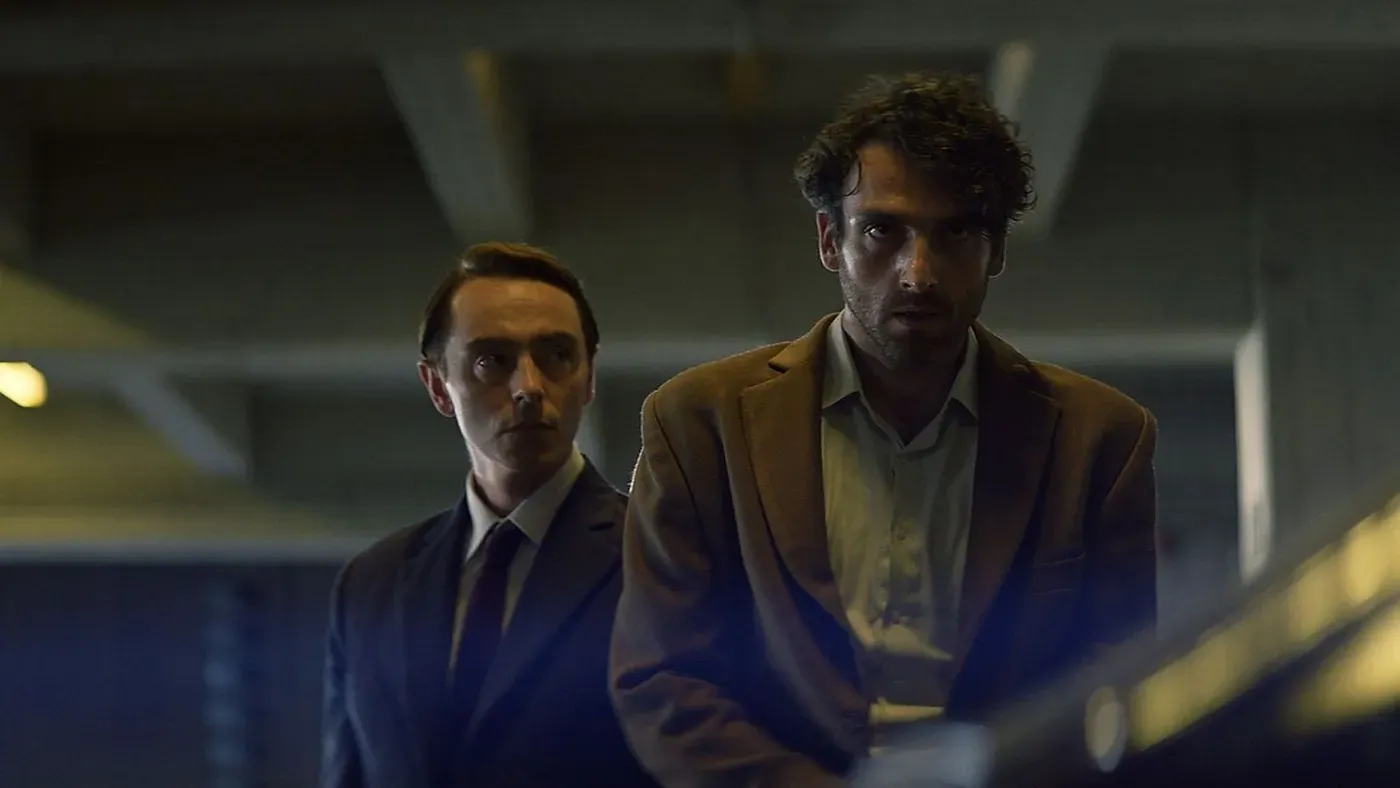
A dystopian thriller that explores the darker aspects of totalitarianism is set to make its world premiere in the Baltics. The film, titled "The Flaw, is a Greece-Latvia co-production and an adaptation of Antonis Samarakis' novel of the same name. It has been described as a modern Greek classic and bestseller.
The story takes place in a dark future where the Regime holds absolute power over its citizens, deciding who belongs and who does not. The Interrogator, played by David Dawson, is tasked with proving the guilt of a man, portrayed by Arthur McBain, through ruthless psychological manipulation. However, as the plot unfolds, it becomes clear that there may be a flaw in the master plan.
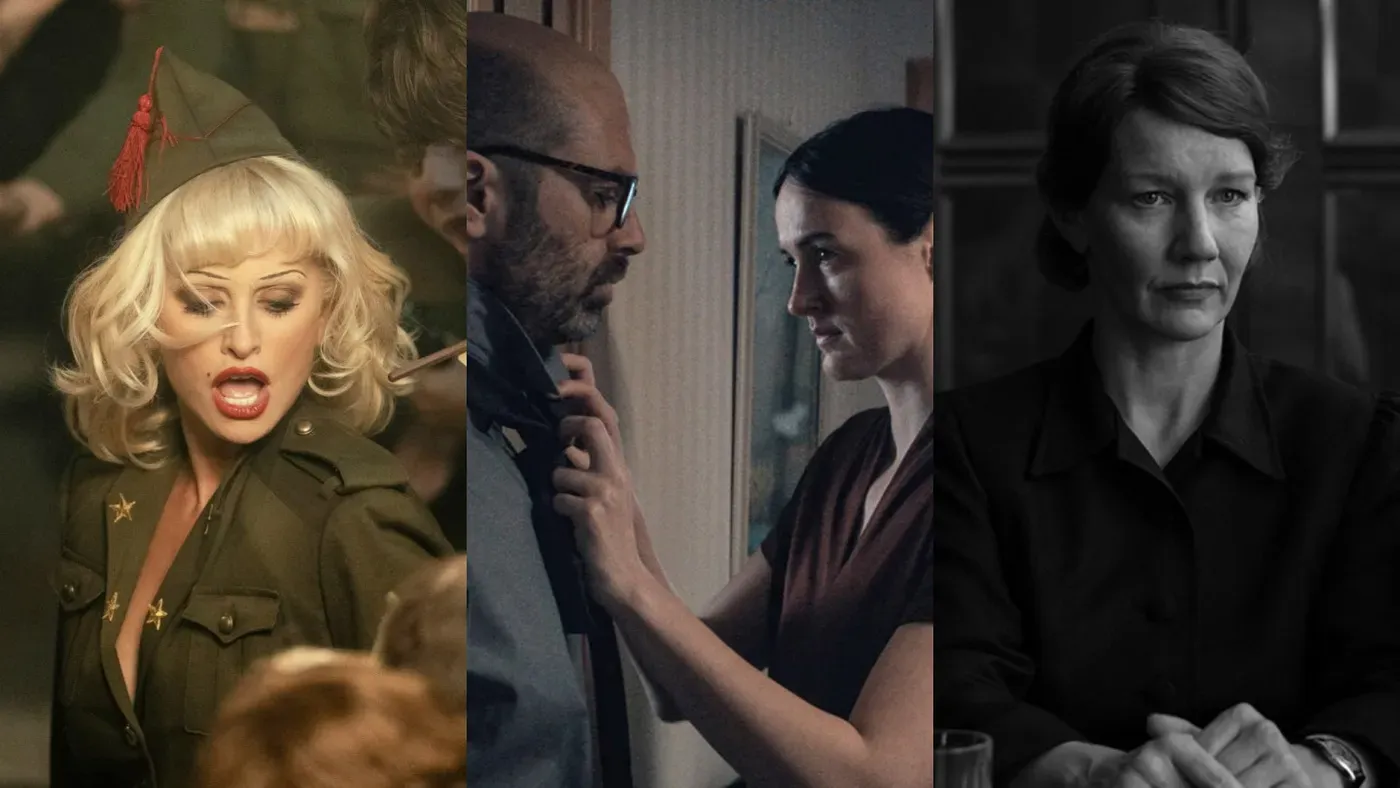
The film's writer-director, Theophilos Papastylianos, has brought together a talented ensemble cast, including Ralf Little and Lyne Renée. Thodoris Zacharakis is responsible for capturing the dark atmosphere of the dystopian world on camera, while Yannis Chalkiadakis edits the film to keep the pace relentless.
Papahadzis and Papastylianos are credited as producers, with Alise Rogule and Lina Yannopoulou serving as co-producers. The sales agent for The Flaw is Jacques Kruger, who will be responsible for securing distribution deals for the film.
The Flaw" is set to have its world premiere in the Baltic Film Competition at the 30th Tallinn Black Nights Film Festival on November 18.
The process of adapting the novel into a film was a significant challenge for Papastylianos. He had read the book twice before deciding to bring it to life on screen. The second reading offered him a fresh perspective, one that he could apply as a director.
Papastylianos' experience with the script was marked by self-reflection and consideration of its long-term relevance. He took a step back to assess whether the film's themes would remain impactful in years to come. This introspection led him to prioritize timeless storytelling over fleeting trends.
The film's timing is striking, with Papastylianos noting that it feels scarily relevant today. His instincts as a director guided him to focus on the novel's universal themes rather than its surface-level plot. He observed how society was evolving and felt that the book would only become more pertinent in the years ahead.
Papastylianos' approach to The Flaw was not limited to exploring totalitarian regimes, but also extended to examining the role of individuals within these systems. For him, the film serves as a powerful allegory, one that transcends government or societal boundaries.
Totalitarianism is only the starting point for Papastylianos' exploration. He sees each person as an autonomous entity with their own regime, a notion that underscores the interconnectedness of individual and collective actions.
The Flaw's themes are intentionally broad and open to interpretation, allowing viewers to draw parallels between the film's narrative and their own experiences.
The film's narrative is intentionally ambiguous, allowing viewers to draw their own conclusions about the totalitarian regime depicted on screen. This deliberate vagueness enables audiences to relate the story to their own experiences and perceptions of the world around them.
As we navigate our daily lives, we are often guided by our own biases and assumptions, which can lead us to categorize others based on superficial characteristics such as appearance or politics. However, these preconceptions can be limiting, and it's only when we take a step back that we may see the complexity of individuals beyond their surface-level attributes.
One of the key aspects of The Flaw is its portrayal of character development, which unfolds gradually over time. The two main protagonists undergo a subtle transformation, but this evolution becomes apparent only towards the end of the film, leaving viewers to ponder the extent of their change.
The film's setting, with its imposing and brutalist architecture, adds to the sense of unease and foreboding that pervades the narrative. To achieve this atmosphere, the filmmakers chose to shoot in Greece and Riga, Latvia, where they could tap into the cities' distinctive aesthetic and historical resonance.
In selecting locations for the film, the production team sought to evoke a sense of timelessness and desolation, which is reflected in the stark, imposing structures that dominate the screen. The choice of settings adds depth and texture to the narrative, underscoring the themes of oppression and conformity that are at the heart of The Flaw.
To create a cohesive and immersive atmosphere for The Flaw, production designers had to get creative with location scouting. Combining Greece and Riga, Latvia, presented a unique challenge. The result was a timeless setting that allowed audiences to focus on the story rather than pinpointing specific locations.
The production design team excelled in their task, seamlessly integrating the two disparate settings into a unified narrative space. Lighting and framing were crucial elements in bringing this vision to life. Every detail, from the way shadows fell across characters' faces to the deliberate placement of objects within frames, contributed to the overall mood and tone of each scene.
The film's locations are just one aspect of its distinctive aesthetic. The choice of settings adds depth and texture to the narrative, underscoring the themes of oppression and conformity that are at the heart of The Flaw. This deliberate approach extends to every element of the production, from set design to casting decisions.
Casting British actors for the lead roles may seem like a straightforward decision, but it also presents an opportunity to subvert audience expectations. By choosing to cast non-local talent in key positions, the filmmakers can create a sense of detachment and otherness that adds to the story's tension.
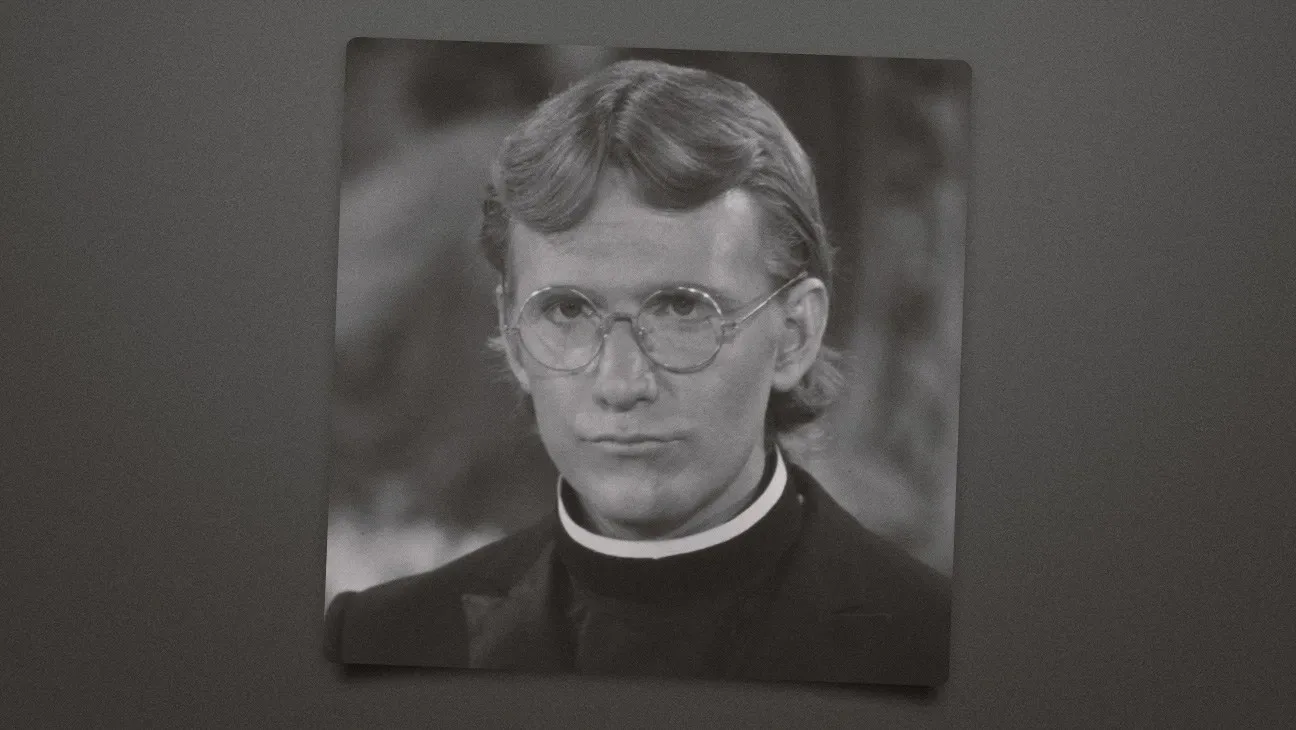
The director has spoken about their approach to casting, citing the importance of finding actors who embody the characters' unique energy. To achieve this, they sent paintings and portraits of Amedeo Modigliani's work to the casting director as reference points. This unconventional approach paid off in selecting talented individuals who could bring depth and nuance to their roles.
In working with actors, the director prioritizes giving them space to breathe and explore their characters' complexities. Rather than imposing their own vision or offering explicit direction, they encourage the actors to trust their instincts and present their own unique interpretations of the script. This collaborative approach allows each actor to bring a distinct perspective to their role, enriching the overall narrative.
Angela Brouskou's portrayal of the Head in The Flaw is a masterclass in subtlety. Rather than a traditional character, she embodies the Regime itself, blurring the lines between person and idea.
The actress aimed to create an otherworldly presence by making the Head seem both familiar and yet, simultaneously, not quite human. This ambiguity allows the audience to ponder whether she is truly alive or merely a representation of the oppressive regime that governs the world in which the story takes place.
The dynamic between David and Arthur, played by two actors with undeniable chemistry, was a key aspect of Brouskou's approach. The actress saw their relationship as one of interconnectedness, where each character serves as an alter ego to the other. This duality is slowly revealed over time, allowing the audience to piece together the complex web of emotions and motivations that drives the narrative.
To prepare for their roles, Brouskou shared her research with the actors, including paintings and portraits that inspired the characters' appearances and personalities. She also introduced them to two specific pieces of music that would become integral to their performances, setting the tone for the film's unique sonic landscape.
The score in The Flaw is a fascinating blend of traditional Greek instruments and more modern, edgy sounds. Dimitris Fessas, the composer, worked closely with Brouskou to create a distinctive sound that complements the film's themes and atmosphere.
Fessas' use of the Cretan lyra, an ancient instrument native to Greece, adds a layer of cultural depth to the score. Paired with the electric guitar and violins, it creates a sense of tension and unease that perfectly captures the mood of the story.
The music in The Flaw is not just background noise but an integral part of the narrative, weaving together the characters' emotions and experiences into a cohesive whole.
The sound design in The Flaw was meticulously crafted, with every detail carefully considered to create an immersive experience for viewers. This attention to sonic detail is particularly evident in the creation of the Interrogator and Suspect melodies, which were designed to intertwine seamlessly.
In reflecting on the film's impact, one key takeaway is that The Flaw presents a complex narrative as a series of interconnected pieces that gradually coalesce into a cohesive whole.
Facts based on reporting originally published by The Hollywood Reporter.
You may republish this story, in full or in part, if you credit Noti Group and link to it (licence CC BY 4.0). Photos are not included.