







German Film "The Matriarch" Premieres in Estonia on November 18
A new German film is set to premiere at the Tallinn Black Nights Film Festival in Estonia on November 18, featuring an all-Vietnamese lead cast and exploring complex issues such as human trafficking and family dynamics.
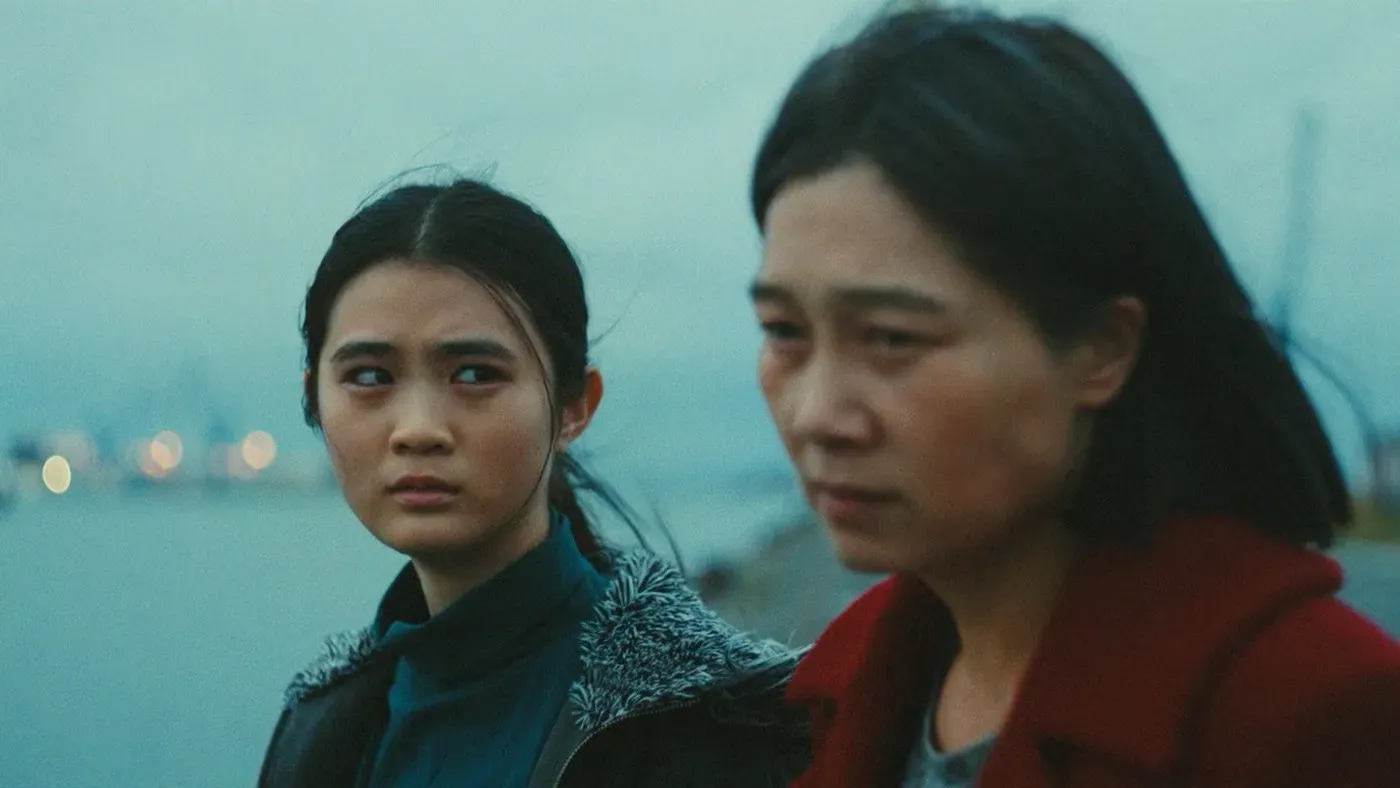
A new German film is set to premiere at the Tallinn Black Nights Film Festival in Estonia on November 18. The movie, titled "The Matriarch, has been making waves due to its all-Vietnamese lead cast and thought-provoking storyline. Directed by Alison Kuhn, this thriller-meets-drama explores complex issues such as human trafficking, migration, and family dynamics.
For Kuhn, the idea of telling a story within the German-Vietnamese community she was born into has been a long-standing urge. Through extensive conversations with members of the diaspora in Berlin, she uncovered recurring emotional patterns that have shaped her narrative. These include intergenerational tensions, inherited trauma, and the persistent presence of human trafficking, an issue largely overlooked by the wider German public.
The film's ensemble cast features newcomer Lissy-Marie Nguyen as Kim, a 17-year-old navigating her first romance while trying to prove herself to her emotionally distant mother. Tuyen Do plays Viet Pham, Kim's mother, who harbors secrets behind their family shrine. The setup is tense and suspenseful, hinting at the complexities of human trafficking.
The Matriarch delves into themes that are both timely and personal for Kuhn. As she notes, her story is deeply rooted in her own experiences within the German-Vietnamese community. Through her characters, she sheds light on issues often left unspoken or unnoticed by those outside this community.
Kuhn's decision to focus on a lesser-known aspect of human trafficking highlights its prevalence in Germany. Her narrative expertly weaves together elements of thriller and coming-of-age drama, creating a captivating storyline that draws the viewer in.
The Matriarch is not only Kuhn's second feature but also a significant milestone for German cinema. It marks the country's first film with an all-Vietnamese lead cast, breaking new ground in representation on screen.
As The Matriarch prepares to premiere at the Tallinn Black Nights Film Festival, audiences can expect a gripping tale of family dynamics and human trafficking set against the backdrop of Germany's Vietnamese community.
The production team behind The Matriarch has been working tirelessly to bring this gripping tale of human trafficking and family dynamics to life on screen.
Kuhn's experience as a director on series such as Druck, Watch Me, and Shadow Leaks has provided her with the expertise needed to tackle the complex themes presented in The Matriarch. Her ability to balance genre filmmaking with family drama is evident in this latest project.
The movie received support from several key organizations, including ZDF, Das Kleine Fernsehspiel, MV Filmförderung, Medienboard Berlin-Brandenburg, and Nordmedia. This backing has been instrumental in bringing Kuhn's vision to fruition.
Jan Mayntz serves as the director of photography for The Matriarch, capturing the intricate details that bring this story to life. Christian Zipfel is responsible for editing the film, ensuring a seamless narrative flow.
In addition to her work on series, Kuhn has also made a name for herself in feature filmmaking with her 2025 debut Holy Meat. This film premiered at Filmfest Munich and went on to win the jury prize at Cinequest in California.
Kuhn's experience as both director and writer of The Matriarch is evident in the depth and complexity of the story. Her ability to weave together multiple plot threads creates a rich tapestry that immerses the viewer.
The research Kuhn conducted for The Matriarch was extensive, involving conversations with Vietnamese people in Germany about their experiences and concerns. This process allowed her to identify recurring themes and patterns that are woven throughout the film.
Kuhn's hope is that The Matriarch will not only entertain but also spark important discussions about human trafficking and family dynamics within Vietnamese communities.
The film's script began to take shape after Kuhn conducted extensive research on Vietnamese mothers and their roles in society.
This intense focus on mothers was sparked by repeated mentions of their significance in interviews, leading Kuhn to create a central character around this theme.
Human trafficking, another key concern in the story, emerged as a pressing issue during these conversations, particularly in Berlin where its presence is most pronounced.
Kuhn's decision to merge her themes of mother-daughter relationships and human trafficking resulted in a suspenseful thriller that retains its emotional core.
The specificity of the film's setting and characters allows audiences outside Germany to connect with the story on a deeper level, as Kuhn explains.
By delving into local details, filmmakers can tap into universal emotions that transcend cultural boundaries, making their stories more relatable to a broader audience.
Kuhn's research involved conversations with investigative journalists and German federal police, providing her with valuable insights into the structures of human trafficking networks.
The use of code words, such as flower shop, was another aspect of Kuhn's research, allowing her to accurately portray the complexities of this issue.
The filmmaker took creative liberties to enrich the narrative of her film. There are subtle yet significant elements in the story that I incorporated, such as the altar in the living room, she explains. This particular detail is not based on real-life accounts but rather a product of the director's imagination.
She reveals that the altar serves as more than just a decorative piece, but also conceals a secret room. This is a creative choice I made to add depth to the story, she notes. The idea behind this plot twist is rooted in the harsh realities faced by those who have been trafficked.
The film boasts an all-Vietnamese lead cast, marking a significant milestone for German cinema. It's about time we gave these talented individuals the recognition they deserve, the director says proudly. The ensemble cast has been praised for their nuanced performances and complex characters.
Kuhn acknowledges that assembling the cast was a challenging task due to the limited pool of Vietnamese actors and actresses in Germany. There are not many trained actors and actresses from this community, especially those over 45, she explains. Structural and racist barriers have hindered opportunities for them to pursue acting careers.
To fill these roles, Kuhn conducted an international casting search, particularly for the mother's part. This led her to discover Tuyen Do, a talented actress based in London. The director praises Do's performance, stating that she brought depth and nuance to the character.
Finding young Lissy-Marie Nguyen was also a remarkable experience for Kuhn. She had no prior acting experience, which made her discovery all the more astonishing. Nguyen's raw talent was evident from the start, and the director credits an open audition process with schools catering to Vietnamese families for bringing her on board.
The casting team discovered Nguyen through her high school in Berlin, where a significant number of students have Vietnamese heritage. A local casting director wrote to several schools, and Nguyen emerged as a standout performer during an open audition. Her talent was undeniable, and the director is proud of her continued success in the acting world.
Kuhn's decision to feature an all-Vietnamese cast has been met with praise from critics and audiences alike. The ensemble's performances have been commended for their complexity and nuance, adding depth to the story and making it a standout film in German cinema.
Kuhn's vision for The Matriarch extends beyond the film itself, aiming to pave the way for more Vietnamese talent in German cinema.
I have high hopes that people in the industry finally see these talented people, she says, highlighting the importance of recognition and opportunities for underrepresented voices. With a growing desire for diverse perspectives, Kuhn believes The Matriarch can be a catalyst for change.
The film's exploration of human trafficking is deeply rooted in social and political context, often bordering on the disturbing. According to Kuhn, some characters' experiences have roots dating back to the GDR era, where contract workers from Vietnam faced severe restrictions and marginalization.
These historical grievances have had lasting impacts, contributing to the emergence of modern-day trafficking networks. You see in some scenes with the mother that her situation has been shaped by these past injustices, Kuhn notes, underscoring the complexity of the issue.
When pitching The Matriarch as a genre experience, Kuhn encountered no opposition or pushback from industry professionals. However, she acknowledges the dearth of female-driven thrillers and the limited representation of powerful female characters in this genre.
Kuhn's goal was to subvert these expectations by creating a strong, complex character in the mother. It was very important to me to show that women can be powerful and lead, she says, emphasizing her desire to challenge traditional genre conventions.
By tackling tough subjects from fresh angles, Kuhn hopes The Matriarch will resonate with audiences and contribute meaningfully to ongoing conversations about human trafficking and social justice in Germany.
The film's portrayal of human trafficking is not limited to explicit violence or coercion. Instead, it also explores the subtle yet insidious ways in which traffickers exert control over their victims.
Kuhn's approach to depicting a female leader within this network was a deliberate choice, one that allowed her to examine the nuances of power and leadership. She doesn't rely on brute force," Kuhn notes, but rather on more subtle methods of manipulation.
Facts based on reporting originally published by The Hollywood Reporter.
You may republish this story, in full or in part, if you credit Noti Group and link to it (licence CC BY 4.0). Photos are not included.