




Nvidia CEO Jensen Huang Leads Development of Advanced Microchips for AI Systems
Jensen Huang, Nvidia, Steve Jobs, Donald Trump, Xi Jinping
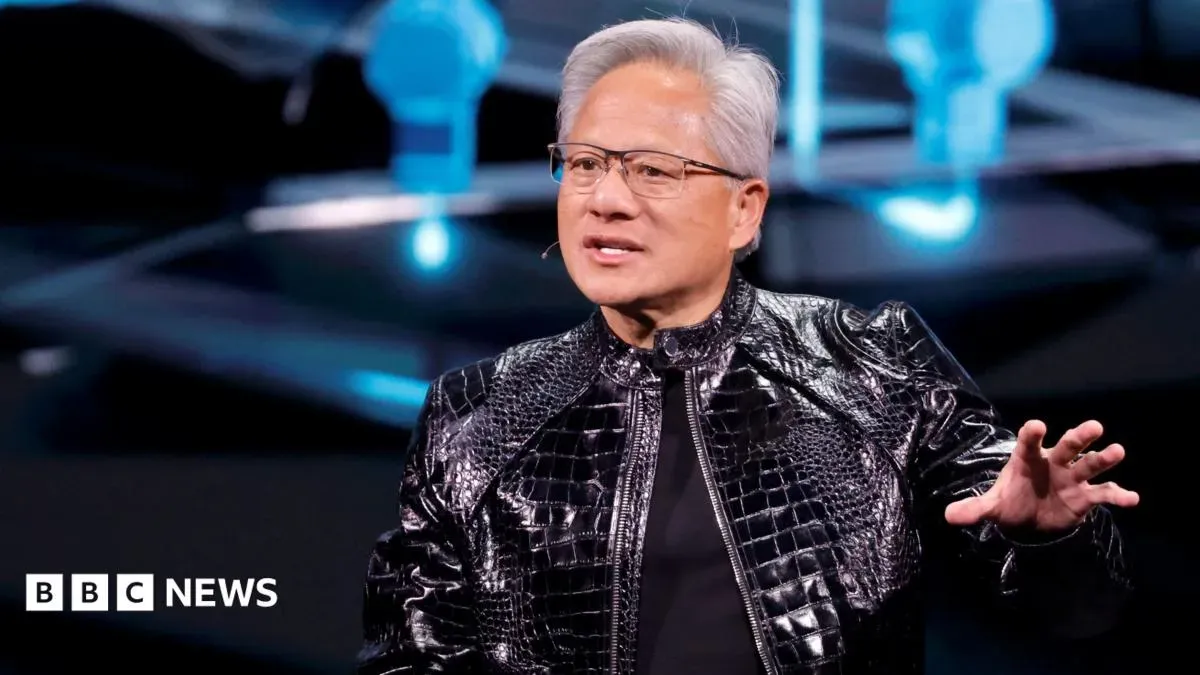
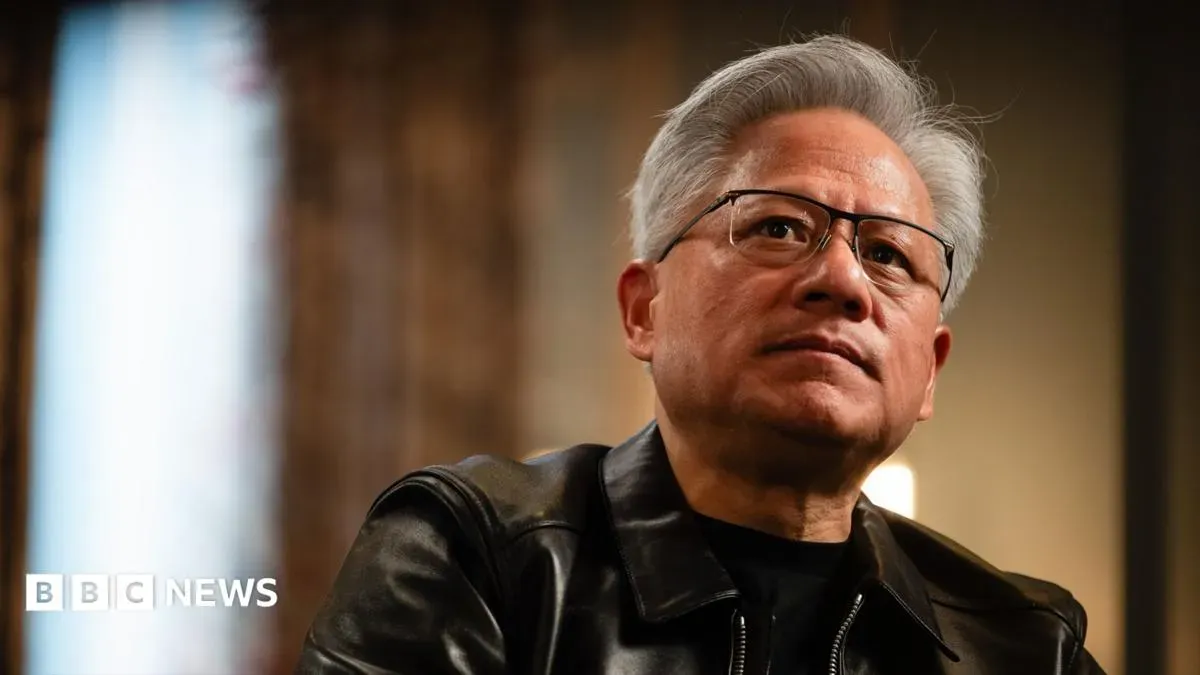
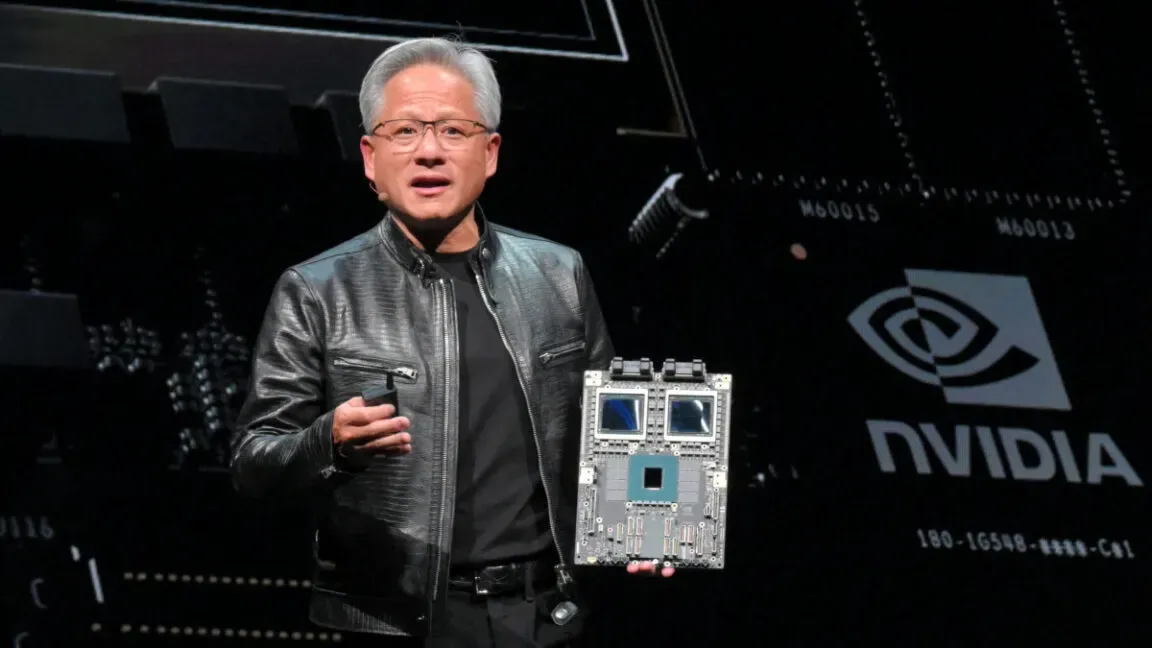
Nvidia CEO Jensen Huang exudes a charismatic presence reminiscent of the late Steve Jobs, with whom he shares an uncanny resemblance. Both men are known for their distinctive sense of style, although Huang's signature item is a leather jacket rather than Jobs' iconic black turtle neck.
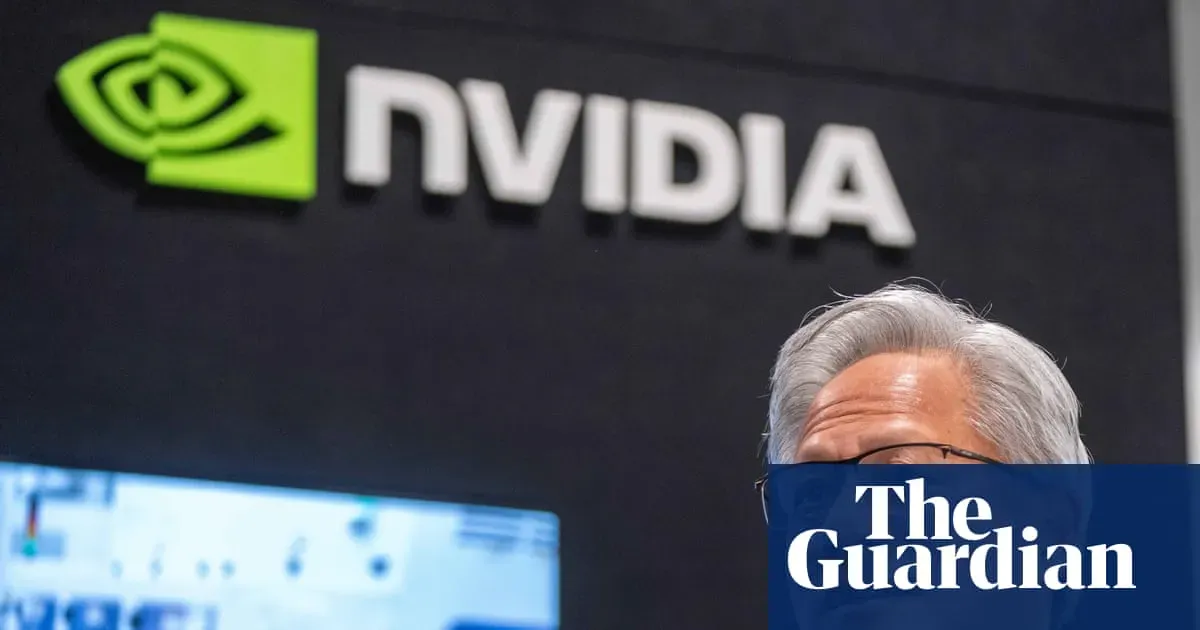
Huang's company, Nvidia, has been at the forefront of developing microchips that power cutting-edge Artificial Intelligence (AI) models. The success of these AI systems hinges on the most advanced microchips, and for years, Nvidia has led this field with its innovative technology.
The names associated with Nvidia's leading chips are somewhat obscure to the general public, but they have a significant impact on the world. Chips like Gracehopper, Vera, and Rubin are crucial components in creating AI models that are transforming industries worldwide.
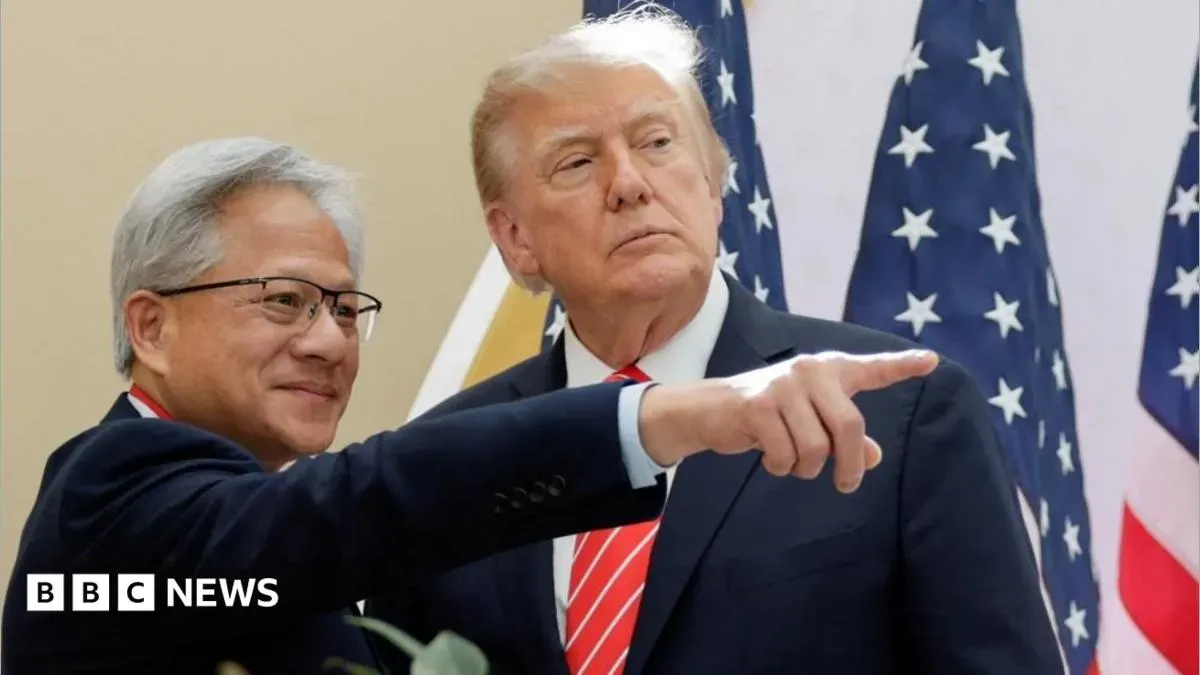
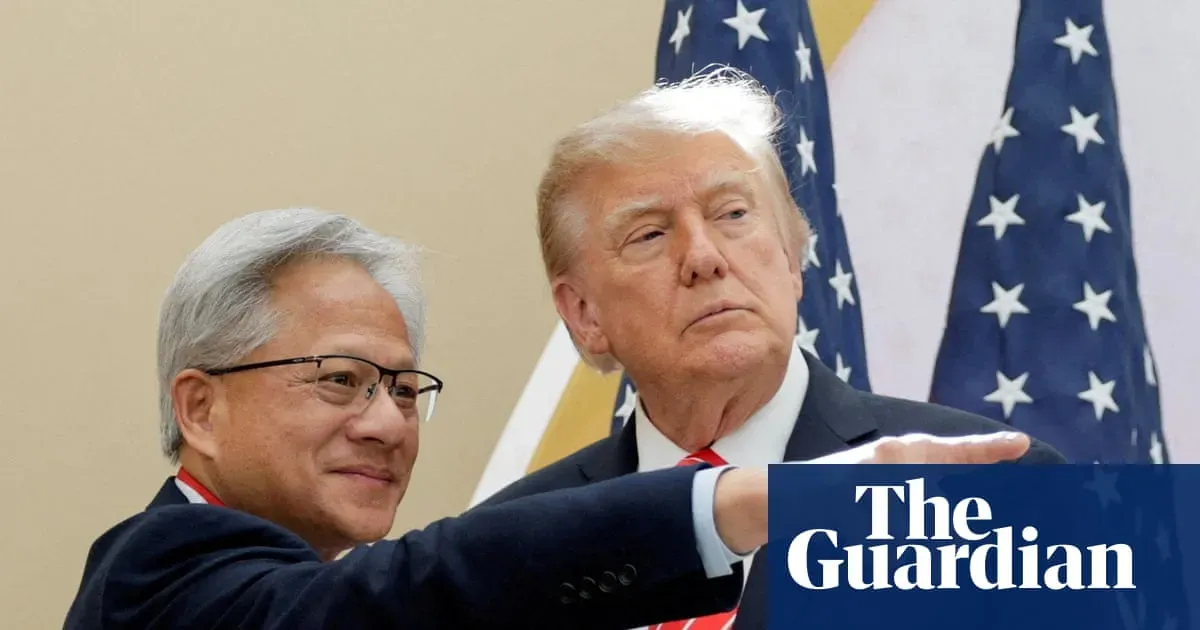
As a prominent figure in the tech industry, Huang has been involved in high-profile events, including a meeting with reporters during US President Donald Trump's state visit to the UK last year.
Huang has been at the forefront of negotiations between the US and China on export restrictions for advanced AI chips. Specifically, he was pushing for the lifting of a ban on exporting high-performance H200 chips to China. This came after an earlier restriction had already been relaxed for a less powerful chip.
As someone with direct access to both President Trump and Chinese leader Xi Jinping, Huang's views carry significant weight. His ability to navigate high-stakes diplomacy is likely unmatched in the tech industry. It's no surprise that he has become a go-to figure for policymakers seeking insight into the intersection of technology and geopolitics.
Huang's comments on the nature of global competition have sparked debate among national security experts. He believes that advancing human society is not a zero-sum game, where one side's gain necessarily comes at another's expense. This perspective is echoed by Trump's desire to see America succeed alongside China's progress.
However, many in national security circles disagree with Huang's assessment. They argue that the pursuit of advanced AI capabilities is fundamentally zero sum, requiring Western powers, particularly the US, to take decisive action to counter Chinese advancements. The stakes are high, and differing opinions on this issue will likely continue to shape the global tech landscape.
The implications of these competing views extend far beyond the tech industry. As tensions between major world powers escalate, policymakers must carefully consider the role that advanced technologies like AI will play in shaping their nations' futures.
The development of advanced artificial intelligence (AI) systems is becoming increasingly tied to technological superiority. According to Jensen Huang, CEO of Nvidia, a country that leads in AI chip production will have a significant advantage in scientific research, encryption-breaking capabilities, economic growth, and cyber-weapons.
Huang argued that the US benefits from its dominance in AI technology, as other countries become dependent on American systems. He claimed that this dependency is not a national security concern, but rather an opportunity for the US to leverage its technological superiority. The "American tech stack," with Nvidia chips at its core, is seen as a strategic advantage.
Huang also emphasized President Trump's understanding of AI technology, stating that he views it as a non-national security issue. This perspective suggests that even in sensitive areas like military development, countries can build their capabilities on top of existing technologies rather than relying solely on indigenous innovations.
The public statements made by Huang at the time were aimed at lifting export bans and shedding light on President Trump's stance on AI technology. By disputing concerns about national security risks associated with Nvidia's technology in Chinese hands, Huang was advocating for a more nuanced approach to regulating the use of advanced technologies.
Nvidia, a leading player in the global AI technology market, has been at the forefront of the artificial intelligence boom in the US and globally.
The company's financial stability is not expected to be significantly impacted by recent market fluctuations despite the drop in its stock value by around 4% due to new concerns about national security risks.
Facts based on reporting originally published by BBC News Technology.
You may republish this story, in full or in part, if you credit Noti Group and link to it (licence CC BY 4.0). Photos are not included.