



Iran Warns American Public on Costs of War
Iran is highlighting the costs of its conflict with the US and Israel ahead of the midterm elections through messages aimed at the American public.
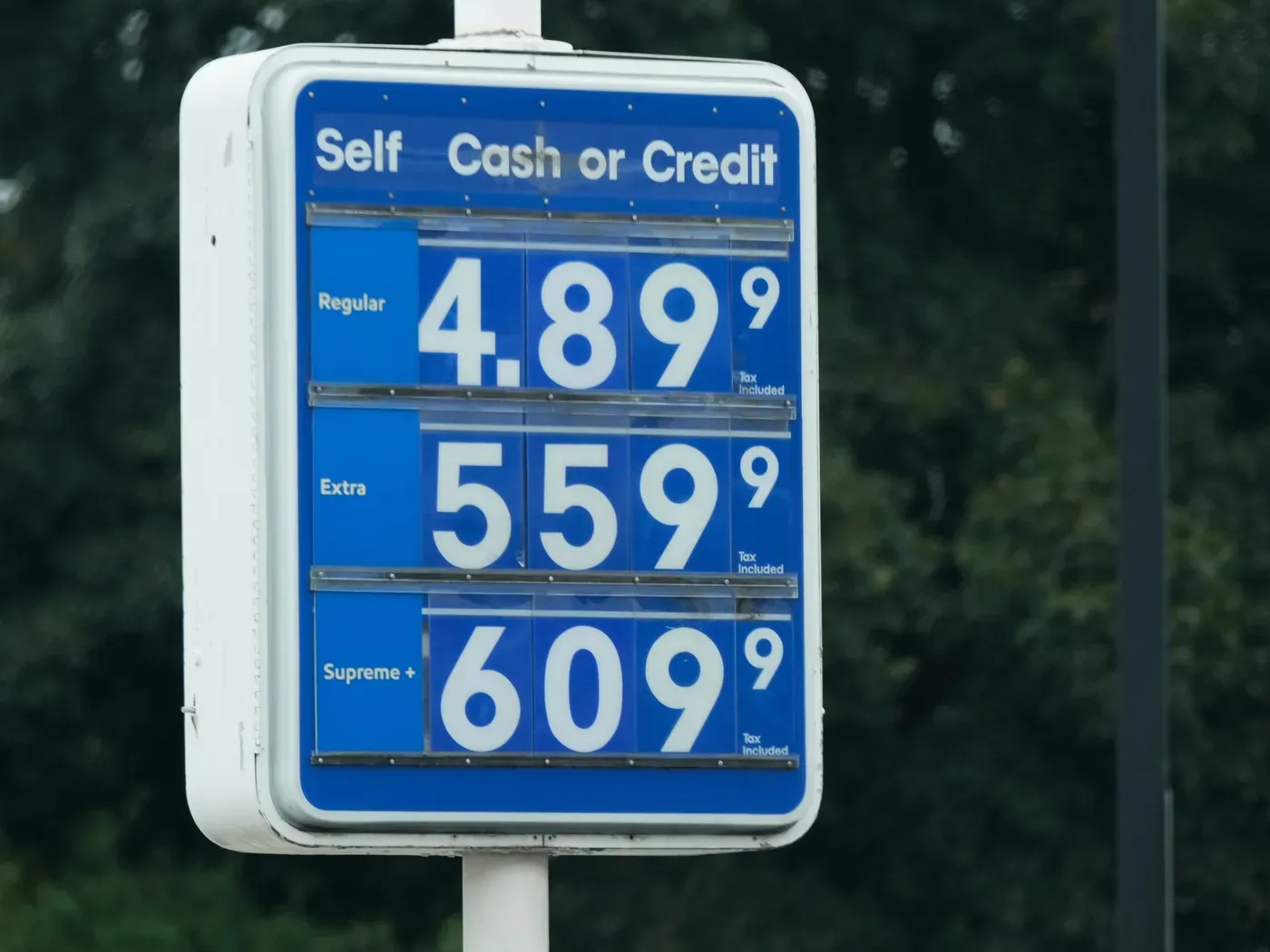
Iran has been highlighting the cost of the war it's been waging against the US and Israel in a series of messages aimed at the American public ahead of the midterm elections.
The country's officials have published articles in state-affiliated outlets detailing the disastrous impact of the war on oil prices and the US economy, making it clear that they are targeting the American people with these claims.
Iran's chief negotiator and Parliament Speaker Mohammad Bagher Ghalibaf has been actively engaging with US officials about rising costs and military spending associated with the conflict. His efforts seem to be part of a broader strategy to increase the political cost of the war for the current administration.
In an effort to directly engage with the American public, Tehran is using various channels to convey its message, including messaging that appears to be directed at the US.
As the US midterm elections approach, Iran's messaging strategy is shifting its focus to directly engage with the American public and highlight the costs of the ongoing conflict. Tehran has been using various channels to convey its message, including social media platforms where it can reach a wider audience.
In a recent post on his Twitter account, Mohammad Ghalibaf, an Iranian official, shared a news story about inflation in the US rising to 3.7 percent last month. Alongside this information, he included a collage of negative headlines about the state of the American economy, painting a bleak picture of the country's economic situation.
Ghalibaf also used humor to drive his point home by sharing a comic strip from the Road Runner cartoon featuring Wile E Coyote's hapless attempts to build a catapult. The image was accompanied by a message addressed to US Treasury Secretary Scott Bessent, who has been leading the sanctions campaign against Iran.
In a possible reference to Bessent's own words, Ghalibaf wrote "Let's 'play the percentages'. Not in odds, but in the % increases," suggesting that the cost of living continues to rise due to the war, despite Bessent's assertions about the US economy.
The ongoing conflict in Iran has had far-reaching consequences for the global economy. The disruption of shipping in the Strait of Hormuz has led to a significant increase in energy prices worldwide. In particular, diesel fuel is now at an all-time high of $6.33 per gallon in the US, according to the American Automobile Association.
The rising cost of diesel and other fuels has had a ripple effect throughout the economy, driving up overall inflation rates. This has prompted the US Federal Reserve to raise interest rates, a move that aims to combat inflation but may have unintended consequences for economic growth.
Iran's actions around the Strait of Hormuz have intensified in recent days, with increased attacks on vessels passing through the waterway. This escalation comes despite repeated assertions by the Trump administration that the strait is under US control, and has led to further tensions between the two nations.
The heightened costs of living are taking a toll on American consumers, who are already facing rising housing prices and decreased consumer confidence. The economic impact of the conflict will likely remain a contentious issue in the lead-up to the US midterm elections.
The Iranian Revolutionary Guard Corps (IRGC) has been warning about the dire consequences of ongoing tensions between the US and Iran. According to the IRGC, countries worldwide are losing faith in the US economy, leading to a significant drop in demand for American bonds.
As a result, several nations have begun selling off their holdings of US government debt, sparking concerns that this trend will soon accelerate. The IRGC's warning is stark: if left unchecked, the economic fallout could be catastrophic and long-lasting for Americans.
The upcoming US midterm elections are seen as a pivotal moment in the conflict, not because of their potential outcome but rather due to what might happen afterwards. President Trump has hinted that his Iran policy will remain unchanged regardless of the election's result.
Trump has stated that he would continue with either a negotiated settlement or an all-out war against Iran, depending on the circumstances. This stance contradicts earlier claims by some analysts who believed the elections could lead to a shift in US policy towards Tehran.
The prospect of a Democratic takeover in Congress has raised hopes that US policy towards Iran could shift, but analysts say this is unlikely to impact Washington's military campaign against Tehran.
A debate within Iran centres on whether a Democratic victory would make Trump more or less able to continue the war, with some arguing his vulnerability would constrain his powers.
Facts based on reporting originally published by Al Jazeera.
You may republish this story, in full or in part, if you credit Noti Group and link to it (licence CC BY 4.0). Photos are not included.