







Indian Media Groups Challenge New Privacy Law at Supreme Court
A group of 21 Indian media companies has taken their concerns about a new privacy law to the country's Supreme Court, arguing that it could stifle investigative reporting and lead to newsrooms shutting down.
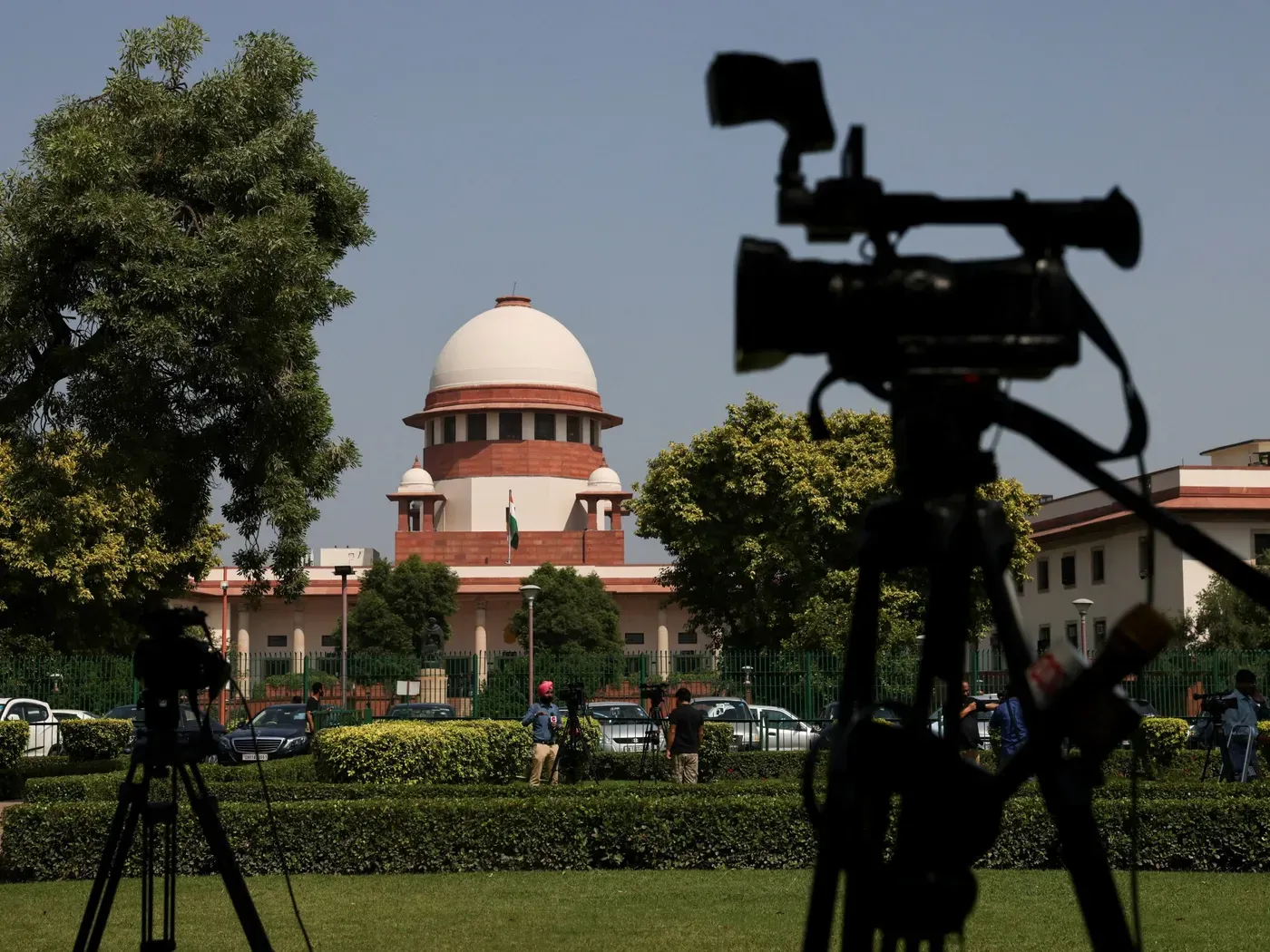
A group of 21 Indian media companies has taken their concerns about a new privacy law to the country's Supreme Court. The law would require journalists to obtain consent from individuals before writing about them, a move that could stifle investigative reporting and lead to newsrooms shutting down.
The media groups argue that this requirement amounts to pre-censorship, allowing the government to identify sources and intimidate journalists into silence. They point out that many countries, including those in the European Union, Singapore, and Britain, have exemptions for journalists from such consent requirements.
In an earlier meeting with the government, media companies were given assurances that the law would protect press freedom. However, their concerns are now being taken to court, where they will argue that a written exemption is necessary to safeguard journalistic independence.
The Indian government's Personal Data Protection (PDP) Bill has sparked concerns among media groups about the potential impact on journalistic independence and press freedom. The Digital News Publishers Association (DNPA), which represents prominent news outlets such as Network18 and Times Internet, is arguing that a written exemption from the law is necessary to protect their ability to investigate and report on sensitive topics.
The DNPA's filing highlights concerns about the requirement for consent in the PDP Bill. While social media platforms and online retailers can obtain consent from users when they sign up, requiring journalists to notify subjects of an investigation and seek consent could compromise the integrity of their work. This could allow suspects to destroy evidence or intimidate witnesses, undermining the ability of journalists to gather information.
The law also allows individuals to withdraw consent at any time and demand that their data be erased, without any safeguards for public interest. The DNPA argues that this provision could force its members to unpublish or heavily redact factual news reports, compromising the accuracy and integrity of journalism. This would have a chilling effect on press freedom in India.
The proposed law also grants powers to federal authorities to impose fines for noncompliance and block access to information deemed necessary to protect the public interest. The DNPA is concerned that this could be used to curtail press freedom, giving New Delhi excessive control over what news is published and how it is reported.
From next year, India's new privacy law will give authorities the power to demand information from any organisation handling personal data. This could potentially force newsrooms to reveal their sources and compromise journalistic integrity.
The law also threatens to deter whistleblowers from sharing crucial information on corruption, corporate wrongdoing, or electoral malpractice with reporters. The DNPA argues that this provision is unguided and can be used to access privileged communications between journalists and their sources.
Facts based on reporting originally published by Al Jazeera.
You may republish this story, in full or in part, if you credit Noti Group and link to it (licence CC BY 4.0). Photos are not included.