
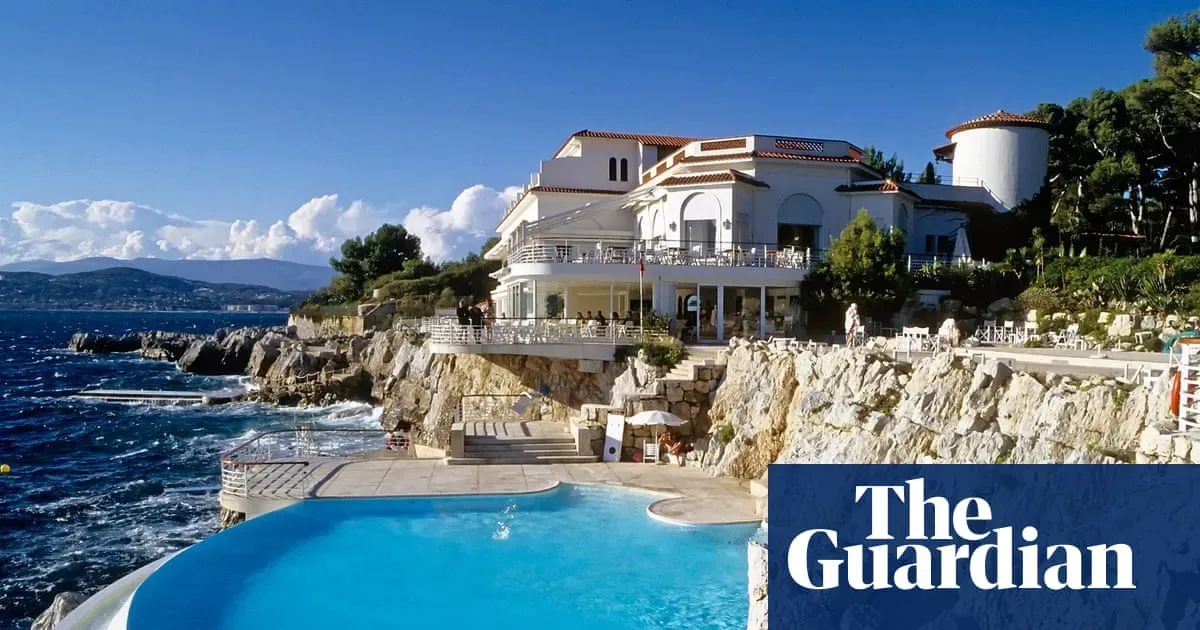
Hotel du Cap-Eden-Roc imposes restrictions on photoshoots without prior permission
The decision comes as a response to guests booking reservations for commercial photography shoots, disrupting normal business operations and guest privacy.
Restrictions are being imposed on content creators at popular tourist spots and establishments, as a backlash against social media influencers grows.
Hotels and beauty spots that were once happy to accommodate photographers for promotional purposes are now introducing rules to limit photoshoots. The five-star Hotel du Cap-Eden-Roc in Antibes has gone so far as to ban all photoshoots without prior permission.
This decision is reportedly a response to guests who have been booking reservations at the hotel, only to use their time there for commercial photography shoots. According to reports, these individuals would often bring large quantities of clothing and jewelry with them, using the hotel's amenities to create content for social media platforms.
The issue extends beyond high-end hotels, however, as less glamorous locations are also taking action against excessive commercial photography. The Hollies farm shop in Cheshire, which gained popularity after being featured on Love Island star Molly-Mae Hague's Instagram feed, has restricted photography and filming between 10am and 4pm daily.
The trend of influencers and content creators disrupting normal business operations is also evident in the hospitality industry, with one prominent restaurateur speaking out against the issue.
In an effort to maintain exclusivity and discretion, some high-end hotels are starting to restrict photography on their premises.
One such example is Hotel du Cap-Eden-Roc in France, where manager Sophie Volant has expressed concerns about the impact of influencer photoshoots on guest privacy.
The hotel's management wants to strike a balance between accommodating guests who appreciate being photographed and those who value discretion, particularly as they pay premium prices for their stays.
As part of this effort, some hotels are opting not to work with influencers altogether, instead focusing on creating unique experiences that cannot be replicated in a studio setting.
Anna Fedou, chief marketing officer at the Beaumier hotel group, acknowledges that her company sometimes collaborates with influencers, but emphasizes its primary goal is to provide exceptional hospitality.
Hotels and restaurants are increasingly restricting photography on their premises, a trend that reflects a broader shift away from capturing moments for others and towards immersing oneself in experiences.
This phenomenon is not dissimilar to clubs asking visitors to cover their phone cameras with stickers, says Alex Goat, founder of the youth culture agency Livity. By doing so, these establishments signal that they value genuine enjoyment over documenting an experience for social media.
A common misconception about influencers is that they are handsomely paid for creating content featuring luxury brands and locations. However, many influencers actually produce posts in exchange for free accommodations or services, hoping to attract the attention of brands who might be willing to collaborate with them.
Nicole Ocran, a prominent influencer who has set up the Creator Union to advocate on behalf of industry professionals, notes that most content creators operate without payment from brands. Instead, they rely on generating buzz and attracting potential partners through their work.
The controversy surrounding influencers' behavior is not new, as seen in past incidents like the 2021 backlash against Love Island stars who traveled to Dubai during lockdown. The luxury hotel industry's anti-photoshoot policies have also sparked accusations of sexism, with some critics arguing that influencer culture, which is heavily feminized and tied to promotional culture, has long been stigmatized in popular media.
The luxury hotel industry's anti-photoshoot policies have sparked controversy, particularly among social media influencers and their followers.
Some hotels are implementing strict rules against photoshoots, citing concerns about guest experience and noise disturbance. However, critics argue that these policies unfairly target a specific group of people - those who create content for a living. Influencer culture has become increasingly tied to promotional culture, leading some to accuse the industry of sexism.
The hotel industry's move to restrict photoshoots is happening at a time when social media use continues to rise rapidly. With over 5.4 billion people using social media every day, it's clear that online content creation is becoming an integral part of modern life.
By restricting photography in public spaces, hotels are sending a message about the value of private experiences and the importance of balancing personal and professional lives. This shift could have broader implications for how we approach social media consumption and the role of influencers in shaping our cultural landscape.
Facts based on reporting originally published by The Guardian Life and Style.
You may republish this story, in full or in part, if you credit Noti Group and link to it (licence CC BY 4.0). Photos are not included.