




Fifa Extends International Break to Three Weeks
The 2026-27 season's first international break has ended after three weeks, following a departure from the usual two-week gap.
The 2026-27 season's first international break has come to an end after three weeks of pause, a departure from the usual two-week gap that fans are accustomed to.
This change was implemented by Fifa to prioritize player welfare and reduce travel fatigue. Players now return to domestic action this Friday, following a longer-than-usual break. The extended schedule is intended to give players more time to rest and recover between international commitments.
The new format has been met with some skepticism, however, as the number of injuries continues to rise. Critics argue that the three-week gap may have actually exacerbated player fatigue rather than alleviating it. With a growing list of injured players, the effectiveness of this approach is being questioned.
Fifa had cited several reasons for introducing the extended break, including the scheduling of the 2026 World Cup final on July 19. This marked the latest date for a summer World Cup since 1966, necessitating adjustments to the international calendar.
The domestic season's momentum has been disrupted by the lengthy international break, leaving fans eager for the return of club football.
Injuries have become a pressing concern as players return to their clubs from international duty. Several players have suffered injuries during this extended break, forcing them to miss games and potentially altering their teams' prospects.
The lengthier nature of this break, coupled with an increased number of fixtures, may contribute to the higher incidence of injuries. However, it is challenging to make a definitive assessment without comparing injury rates across various international breaks.
Players have been withdrawing from their national teams due to injuries, with Bournemouth's Alex Scott being the latest example after he was forced to pull out of England's squad with a thigh problem.
The extended break in the Premier League calendar has raised concerns about player welfare, particularly when it comes to workload and recovery time.
NISO chief Kristoffer Vatshaug has expressed his worries about the high burden on top players, stating that clearer guidelines are needed for workload and recovery periods. This includes factors such as time between matches, consecutive rest days, travel strain, and adequate recovery time after a long season.
Recent injuries to several prominent players have highlighted these concerns. Liverpool's Cody Gakpo and Alexander Isak have both suffered ankle and thigh injuries respectively while on international duty, with Gakpo withdrawing from the Netherlands squad and Isak pulling out of Sweden's team.
Portugal manager Jorge Jesus revealed that Manchester United captain Bruno Fernandes had been playing through pain before picking up an injury. Meanwhile, Sunderland's Dan Ballard and Brian Brobbey both sustained hamstring problems, underlining the risks associated with overexertion during a prolonged season.
With several high-profile players already out injured, club managers will be anxiously monitoring their teams' performances in the coming days as they hope to avoid further losses.
Club managers are likely to be on high alert as their teams face a series of crucial matches in the coming days. With several key players already nursing injuries, any further setbacks could have significant implications for their squads' overall performance.
The concern over player welfare is a pressing one, with many clubs now prioritizing their players' well-being above all else. This shift in approach has led to a reevaluation of training methods and schedules, with some teams opting for more relaxed periods between matches to reduce the risk of injury.
However, not everyone is convinced that the extended break has had a positive impact on player welfare. Some fans have expressed frustration at the lack of action on the pitch, with several commenting that the break has resulted in a loss of momentum and excitement for their teams.
The debate over the merits of the extended break continues to rage on social media, with some users arguing that it has allowed teams to focus more intently on their training and preparation. Others are skeptical, suggesting that the break has merely served to disrupt the natural rhythm of the season and leave fans feeling restless.
The extended break has been met with a mixed response from football enthusiasts, with some questioning its effectiveness in promoting player welfare and others expressing concerns about injuries sustained during this period.
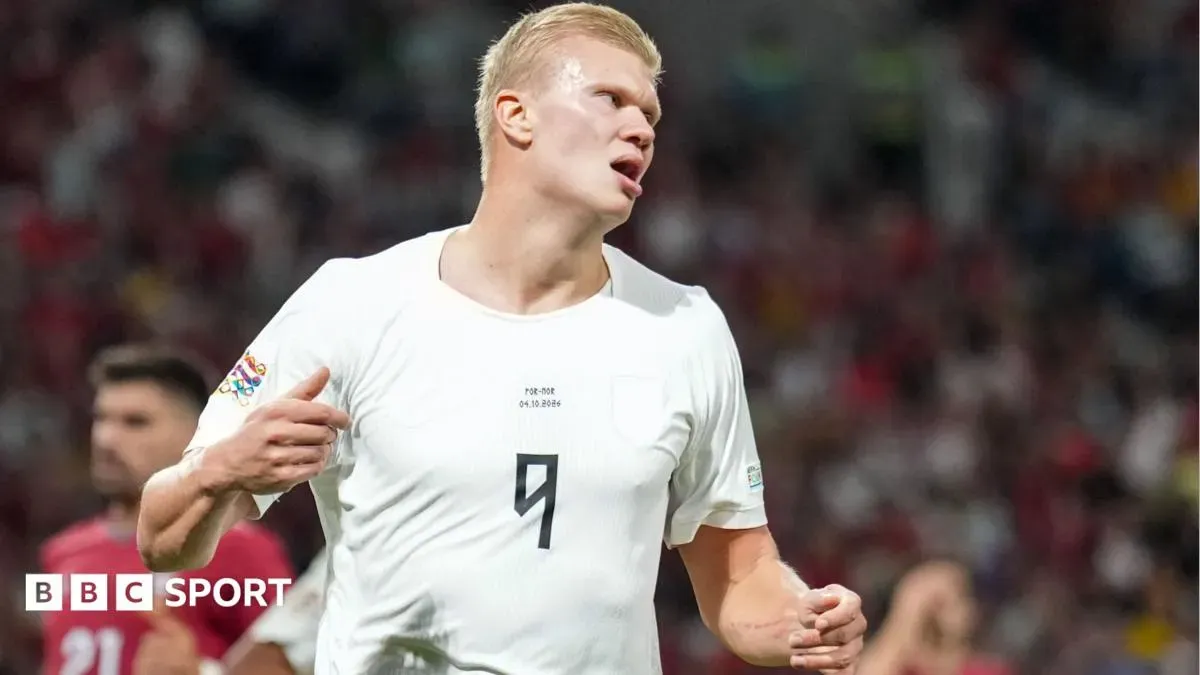
Several high-profile players have fallen victim to muscular injuries, including Erling Haaland, who is known for his robust physicality. This has led some fans to speculate that the break has been a misguided attempt to give players more time off after a long World Cup summer.
The issue of player withdrawals due to injury has become increasingly prevalent, with many clubs facing the prospect of missing key players in upcoming matches. However, it appears that these absentees will be back on the pitch soon enough, and their teams are likely to bounce back from the setback.
For some fans, the international break presents an opportunity to mix things up by attending a lower-league match or watching a Women's Super League team in action. This is especially true for those who normally follow Premier League or Championship clubs, as they can take advantage of the additional space on the television schedule and the chance to watch other teams play at larger stadiums.
Women's teams affiliated with top-tier clubs often use this period to host their home matches at the men's stadium, allowing more fans to attend and boosting revenue for the lower-league club. This arrangement has been a welcome addition to the football calendar, providing an alternative for supporters who might not normally get the chance to watch these teams compete.
The extended break in the English football calendar has had a positive impact on attendance figures for clubs playing at home. In League One and League Two, nine out of 11 matches scheduled for Saturday were postponed due to international call-ups, but three games still went ahead with lower attendances than their respective team's season average.
In contrast, the Women's Super League saw five out of seven games played over the weekend attracting higher attendance figures than the home club's season average. This trend suggests that despite some concerns about player welfare and injury worries during the extended break, the arrangement has brought benefits to the sport in terms of fan engagement.
Facts based on reporting originally published by BBC Sport.
You may republish this story, in full or in part, if you credit Noti Group and link to it (licence CC BY 4.0). Photos are not included.