





Baseball Diplomacy Between US and Japan Explored in New Documentary
A new documentary explores how baseball was introduced to Japan in 1872 by an American educator and its impact on US-Japan relations.
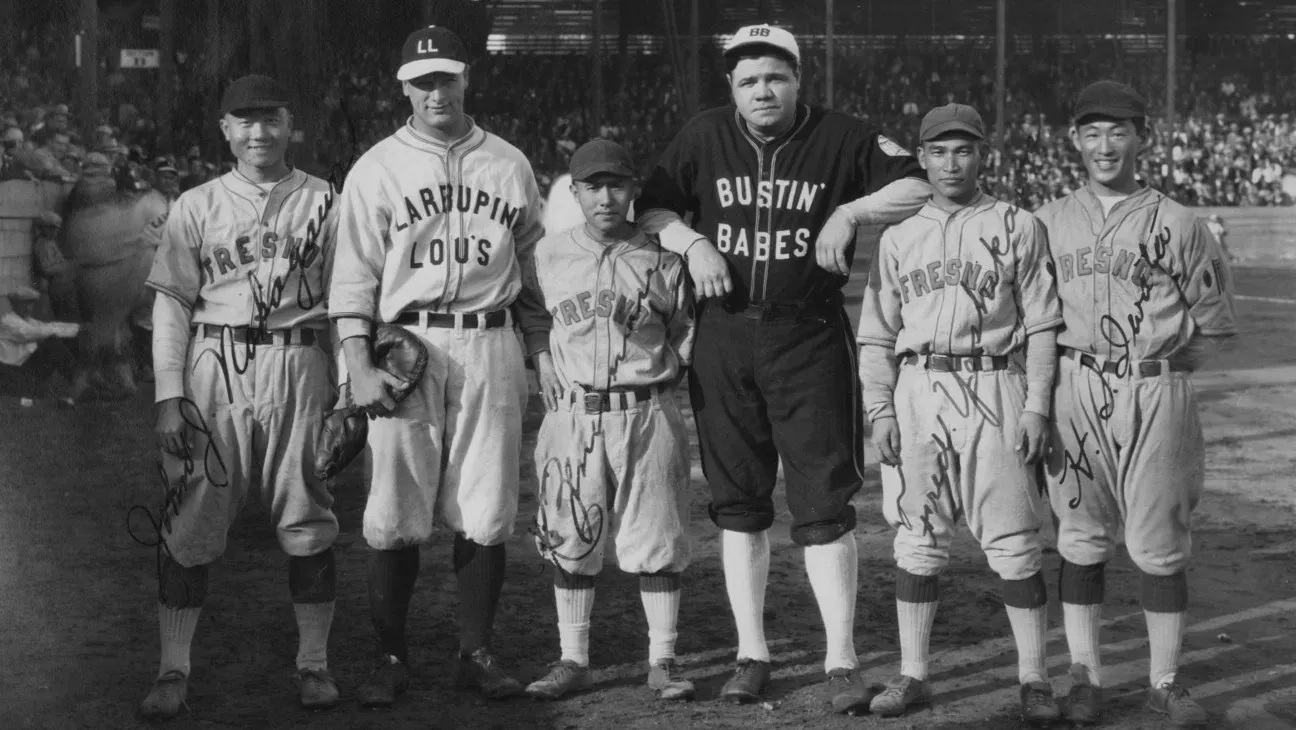
A new documentary is shedding light on the fascinating history of baseball in Japan and its significant impact on US-Japan relations.
Directed by Yuriko Gamo Romer, a Tokyo native raised in the United States, Diamond Diplomacy explores the introduction of baseball to Japan in 1872 by an American educator. This marked the beginning of a long journey that saw the sport become deeply ingrained in Japanese culture.
The film delves into the development of professional teams and the subsequent flow of talented Japanese players to the major leagues. Notable figures such as Babe Ruth, who is credited with potentially preventing war between the US and Japan during his 1934 tour of Japan, also feature prominently.
Baseball has long held a special place in the hearts of Japanese-Americans, and the film highlights their experiences through the sport. The documentary also shines a spotlight on the remarkable success of Shohei Ohtani, who has gained international recognition as a baseball superstar.
At a recent screening before its official Japan premiere at Tokyo International Film Festival, Romer attributed her timing to coincidence rather than design, stating that she began researching the project 12 years ago and spent years securing funding.
The documentary's production faced financial hurdles after a significant portion of its National Endowment for the Humanities grant was revoked in April 2025 due to budget cuts. The cancellation left the project in jeopardy, but it received a timely rescue when Glen S. Fukushima, a former American diplomat, stepped forward with an investment of $300,000.
This crucial infusion of funds allowed the filmmakers to complete their work on "Diamond Diplomacy." One of the documentary's key contributors is author Robert Whiting, who has written extensively about the unique aspects of baseball in Japan and its cultural significance. His insights are a valuable addition to the film.
Whiting notes that Japanese baseball has a rich history, predating even the country's iconic martial art judo. He suggests that the emphasis on perfectionism and discipline, borrowed from martial arts, played a significant role in shaping the sport in Japan. This unique approach is reflected in the country's teams' meticulous preparation and attention to detail.
Footage of Babe Ruth's 1934 tour of Japan features the excitement of Japanese crowds as they watched American baseball players compete against local teams. The segment also includes archival images of Ruth himself, who reportedly discarded all his Japanese souvenirs out of his apartment window upon learning about the attack on Pearl Harbor.
The documentary also explores Japan's experiences hosting teams from the Negro Leagues, which often received a more respectful welcome than they did in their home country.
These visits were notable for the high esteem in which Japanese hosts held the Negro League players, who were praised for their humility and sportsmanship - qualities that contrasted with the arrogance sometimes displayed by white teams visiting Japan.
At the heart of the film is Masanori 'Mashi' Murakami, a trailblazer who became the first Japanese player to join Major League Baseball at just 19 years old. His debut in September 1964 was a significant moment for both himself and baseball history.
Murakami's time in the US was marked by moments of calm before games, during which he would often whistle the tune to Sukiyaki - a popular song that had captured the imagination of audiences worldwide at the time.
The documentary reveals that Murakami's desire to visit the US was not driven by a dream of playing in the major leagues, but rather by his love for the Japanese TV series Rawhide.
The documentary examines the experiences of American baseball players who ventured into the Japanese leagues, revealing the challenges they faced adapting to rigorous training regimens and cultural differences.
Their struggles are juxtaposed with the broader impact of baseball on Japan-US relations, a dynamic that has been pivotal in shaping diplomatic ties between the two nations.
Facts based on reporting originally published by The Hollywood Reporter.
You may republish this story, in full or in part, if you credit Noti Group and link to it (licence CC BY 4.0). Photos are not included.