







Australian Cricketer Corroborates Claims of Sandpaper Use in 2018 Test Match
A former Australian bowler has corroborated claims made by teammate Usman Khawaja about the use of sandpaper during a test match against South Africa in 2018.
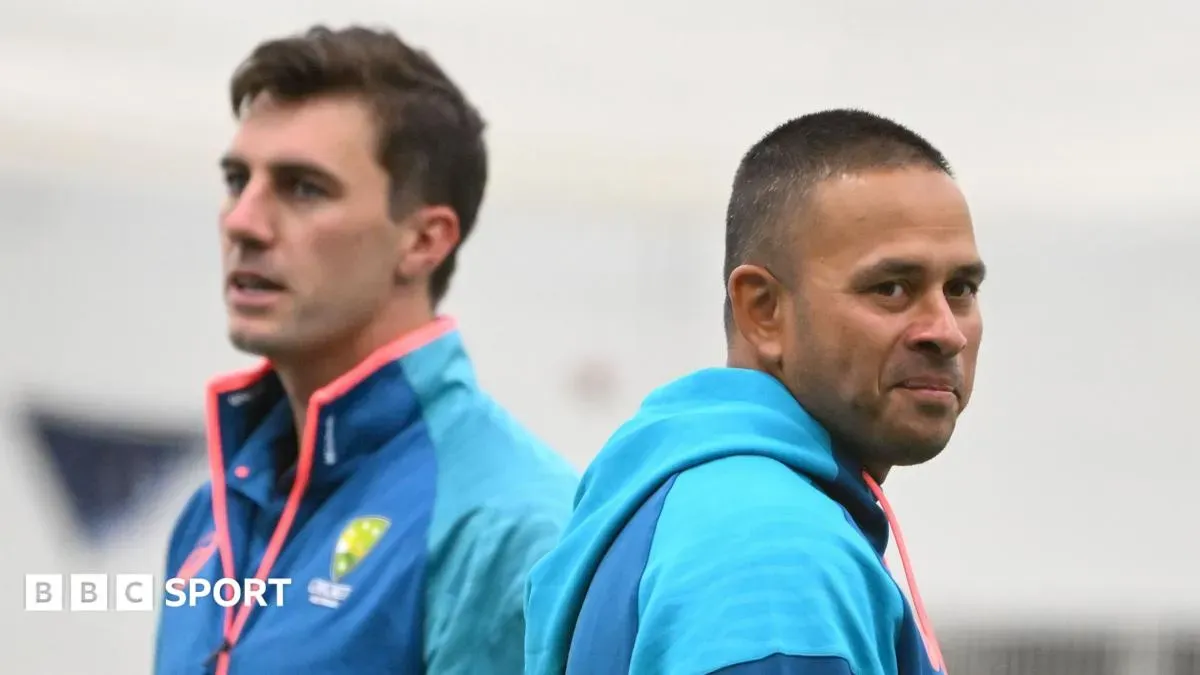
A former Australian bowler has come forward to corroborate claims made by teammate Usman Khawaja about the use of sandpaper during a test match against South Africa in 2018. Chadd Sayers, who was 12th man for that game, says he helped remove the sandpaper from the field before it could be used.
Sayers' account contradicts comments made by Pat Cummins, Australia's current captain, who denied knowledge of any plan to tamper with the ball during a recent press conference. Sayers, however, insists that "everyone knew about the use of sandpaper and has backed up Khawaja's claim in his book.
According to Sayers, he was given the task of taking the sandpaper off the field during a wicket or drinks break after tea, suggesting that it was an impromptu decision rather than part of a pre-planned scheme. This is consistent with Khawaja's recollection of events, which suggested that the use of sandpaper was not formalized until later.
Sayers also recalled a meeting in the Australian dressing room after Cameron Bancroft was caught using sandpaper in Cape Town, where players discussed taking collective responsibility for their actions.
The controversy surrounding the Australian cricket team's sandpaper-gate scandal continues to unfold, with new claims and counter-claims emerging from within the squad. One player who has been at the center of this storm is Usman Khawaja, a former opener who recently spoke out about the events that led up to the incident in Cape Town.
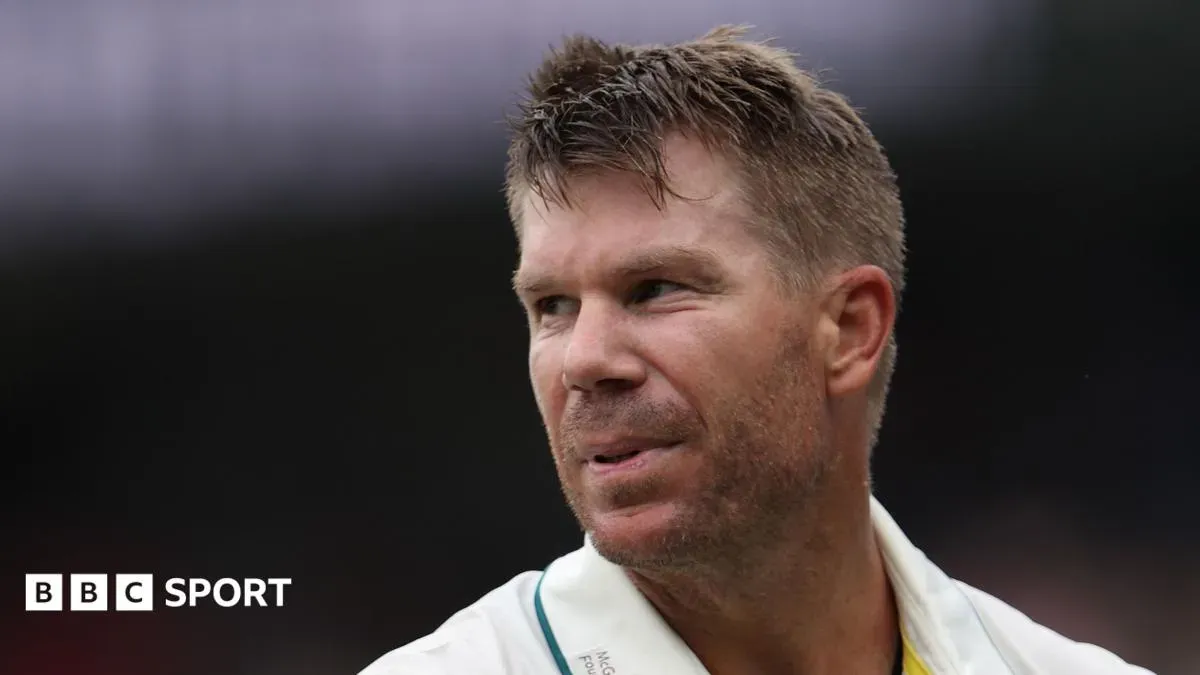
Khawaja's recollections have sparked a heated debate, with some players defending their actions while others are calling for greater accountability. The team's vice-captain at the time of the scandal, David Warner, has accused Cricket Australia of a cover-up, suggesting that certain bowlers were not interviewed as part of the governing body's investigation.
The bowlers in question - Josh Hazlewood, Mitchell Starc, and Nathan Lyon - have consistently maintained that they did not know about the plan to use sandpaper. However, their claims have been disputed by some teammates, who argue that the entire squad was aware of the scheme. This has led to a rift within the team, with some players calling for greater transparency and accountability.
Former fast bowler Jason Gillespie has weighed in on the controversy, urging Cricket Australia to take the lead in managing the situation. He believes that the governing body should be proactive in addressing the fallout from the scandal, rather than simply reacting to events as they unfold. With the saga showing no signs of letting up, it remains to be seen how this crisis will ultimately be resolved.
The debate over what exactly happened in Cape Town continues to rage on, with different players offering competing accounts of events. As the situation unfolds, one thing is clear: the Australian cricket team will have to live with the consequences of their actions for a long time to come.
Todd Greenberg, chief executive of Cricket Australia, has stated that his organization will not reopen the investigation into the ball-tampering scandal. This decision comes despite calls for greater transparency and accountability.
Greenberg's reluctance to revisit the issue was highlighted by former Australian cricketer Jason Gillespie in a recent interview with BBC Sport. We're satisfied with what the investigation back in 2018" Greenberg said, according to Gillespie, adding that Cricket Australia wants to put the matter behind them.
Gillespie believes that the public's desire for information and scrutiny of the issue suggests that this is far from over. He thinks that Cricket Australia should take responsibility by addressing the media and the public directly, rather than leaving it to others.
The Australian cricket team will ultimately have to live with the consequences of their actions, but a more open approach could have helped to rebuild trust with fans who are eager for the truth about what happened.
Facts based on reporting originally published by BBC Sport.
You may republish this story, in full or in part, if you credit Noti Group and link to it (licence CC BY 4.0). Photos are not included.