







TP-Link Faces US Lawsuits Over Alleged Misleading of Consumers About Router Security
Four US states have filed lawsuits against TP-Link over allegations that it deceived consumers about its ties to China and the vulnerability of its routers.

TP-Link is facing a growing legal headache in the US as four states have filed lawsuits against the company, alleging that it deceived consumers about its ties to China and the vulnerability of its routers to Chinese state-sponsored hacking.
The complaints were filed yesterday, nearly six months after the Federal Communications Commission imposed a ban on consumer-grade routers made outside the US. Despite several manufacturers obtaining exemptions to this ban, TP-Link has not been granted one yet.
As a result, TP-Link is currently unable to sell its latest Wi-Fi 8 routers in the US market, although older models that were approved before the ban can still be sold by the company. Various other router makers have received exemptions from the ban, including Netgear and Amazon's Eero subsidiary.
The state lawsuits claim that TP-Link misled consumers by representing its routers as secure products. The suits argue that TP-Link engaged in unfair and deceptive trade practices, violating consumer protection laws in each of the states involved.
Florida Attorney General James Uthmeier announced his lawsuit in a Florida county court, stating that Chinese state-sponsored hackers had exploited TP-Link routers installed in American homes. He emphasized that Florida will not allow consumers to be misled into sharing their personal data with the Chinese Communist Party and is seeking an injunction, restitution for affected consumers, and financial penalties under Florida law.
TP-Link's US operations have been under scrutiny due to its ties to China, where it was founded before relocating its headquarters to California in 2024 amidst investigations into government-linked attacks involving the company's routers.
The Florida lawsuit against TP-Link accuses the company of misleading consumers about the safety of its products and its connections to the Chinese Communist Party. This is part of a broader effort by Republican state attorneys general to hold the company accountable for alleged wrongdoing.
Three other states - Montana, Iowa, and Nebraska - have also filed lawsuits against TP-Link, mirroring language used in the Florida lawsuit. The complaints highlight concerns about the potential security risks posed by compromised routers, which can be used to facilitate cyberattacks on consumers' homes.
A spokesperson for TP-Link has disputed the allegations, stating that the company's US operations are independent and not controlled by any foreign government. The company claims to have provided documentation to regulators demonstrating that its devices sold in the US are manufactured in Vietnam.
The lawsuits against TP-Link focus on the role of routers as a gateway between consumers' homes and the internet. A compromised router can potentially allow state-sponsored cyberattacks to occur, with serious consequences for consumer security and privacy.
The lawsuits filed against TP-Link in the United States have highlighted concerns about the company's ties to China, despite its claims of relocating production to Vietnam.
Research and manufacturing for TP-Link remain rooted in China, according to allegations made by Uthmeier. This contradicts the company's assertion that it has split from China and is now building products in Vietnam.
The final assembly of components sourced from or through China in Vietnam does not address the issue at hand, as stated in the Florida lawsuit. The lawsuit also points out that TP-Link has made deceptive statements about its Chinese dependence and affiliations.
An April 2025 article by Bloomberg reported that TP-Link confirmed all components imported to the plant in Vietnam come from China, except for those valued at a mere 0.5 percent of total inputs. This information was cited in the lawsuits as evidence of TP-Link's ongoing ties to China.
The US government had previously considered banning the sale of TP-Link routers due to concerns about national security. The ban was deemed an "unacceptable risk by officials, who pointed out that Russian intelligence agency GRU exploited vulnerabilities in TP-Link routers.
US government statements also highlighted TP-Link's use of a Chinese construction contractor to expand its Vietnam plant, further raising suspicions about the company's ties to China.
TP-Link's efforts to secure a waiver from the foreign router ban imposed by the FCC have seen little progress in recent times.
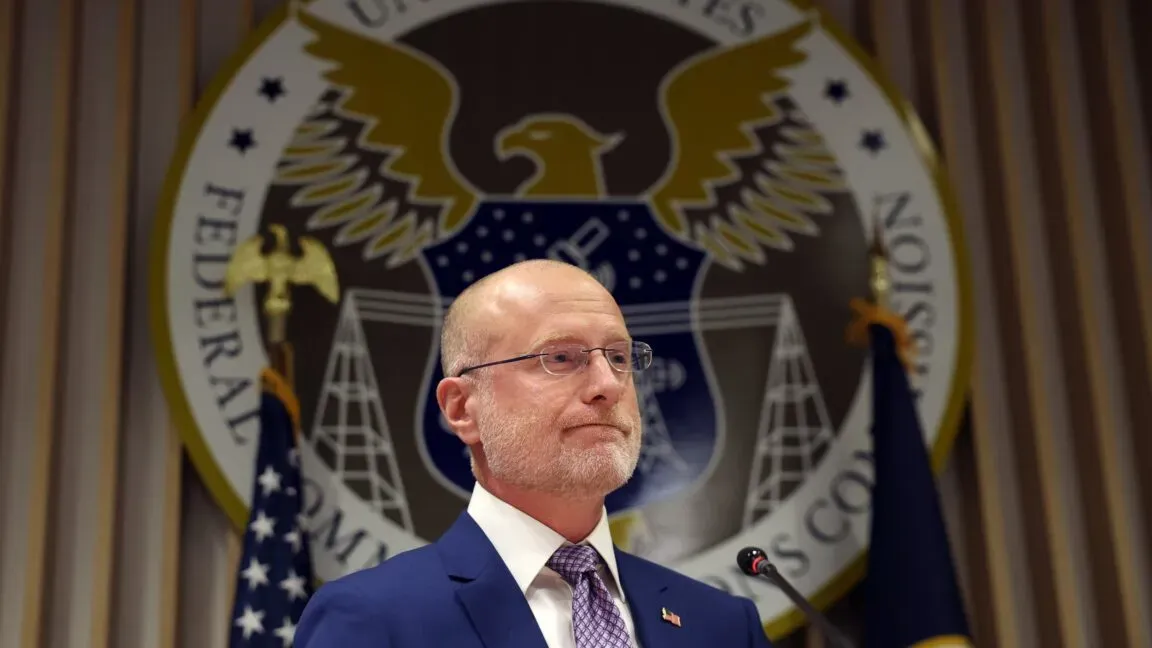
The company had previously met with officials in the office of FCC Chairman Brendan Carr in April, where it claimed to be investing heavily in its US operations. TP-Link stated that it is committed to creating jobs and driving innovation within the country, citing its existing workforce of over 550 employees, including hundreds of engineers based at its California headquarters.
As part of the FCC's approval process for router makers, each company must obtain a determination from either the Department of Defense or the Department of Homeland Security that their devices do not pose any national security risks. This involves submitting detailed plans and justifications for why foreign-manufactured routers are not currently produced in the US, along with alternatives to these sources.
TP-Link's response to our inquiries regarding its application was that its existing products remain available for sale in the US. The company added that it is following the standard approval process for new products, similar to other router makers. This suggests that TP-Link may be taking a more gradual approach to expanding its operations within the country.
In separate comments made last week to PCMag, TP-Link expressed its enthusiasm for introducing its next-generation Wi-Fi 8 portfolio to American consumers. The company is reportedly working closely with regulators to bring these products to market worldwide, and has encouraged users to keep an eye on its website for further updates.
US-based internet service providers are pushing for modifications to the recent router ban imposed by the Federal Communications Commission (FCC). The change would allow them to swap out components in existing routers, citing supply chain shortages as a major concern.
Cable industry lobby group NCTA has submitted a petition to the FCC requesting a waiver that would enable internet providers to upgrade consumer equipment more easily. According to NCTA, this modification is necessary to prevent disruptions in the availability of broadband for NCTA members' customers."
Facts based on reporting originally published by Ars Technica.
You may republish this story, in full or in part, if you credit Noti Group and link to it (licence CC BY 4.0). Photos are not included.