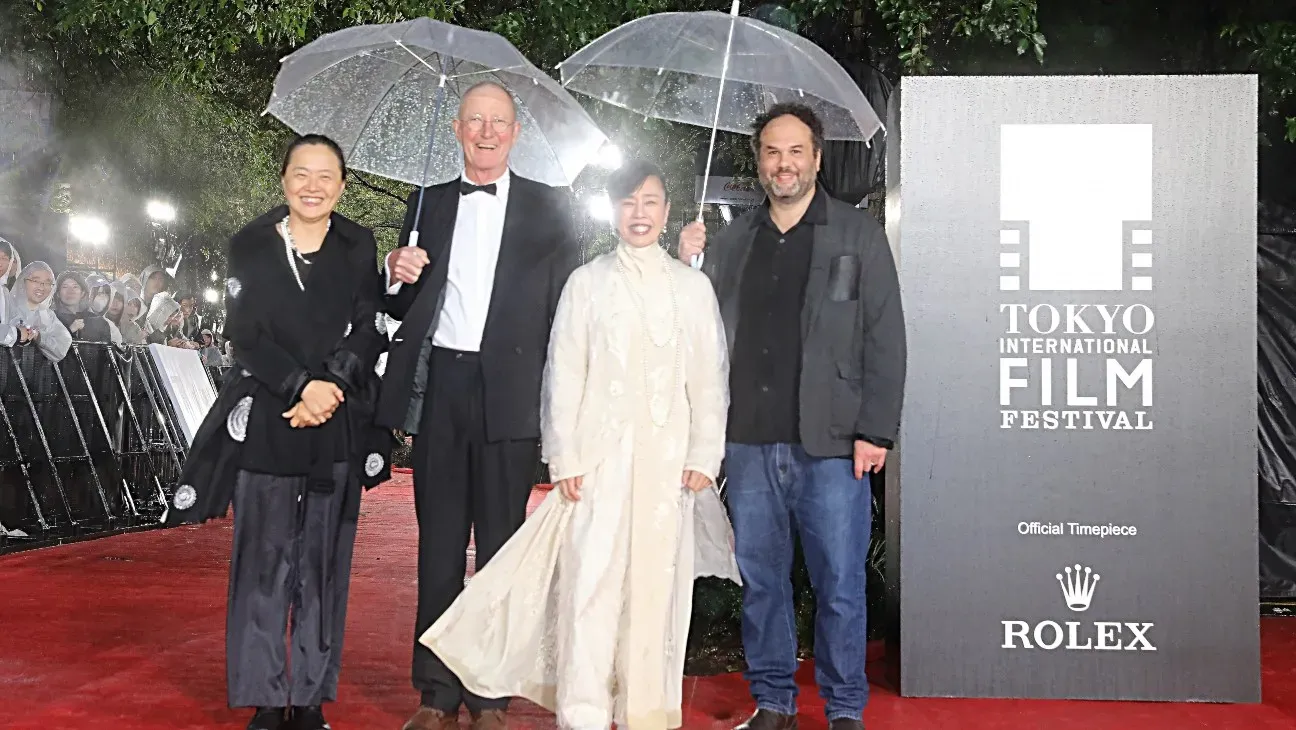








Tokyo International Film Festival to Open with Drama Sukiyaki
The film Sukiyaki, directed by Takahisa Zeze and centering around Hachidai Nakamura's life, will kick off the 2026 Tokyo International Film Festival.
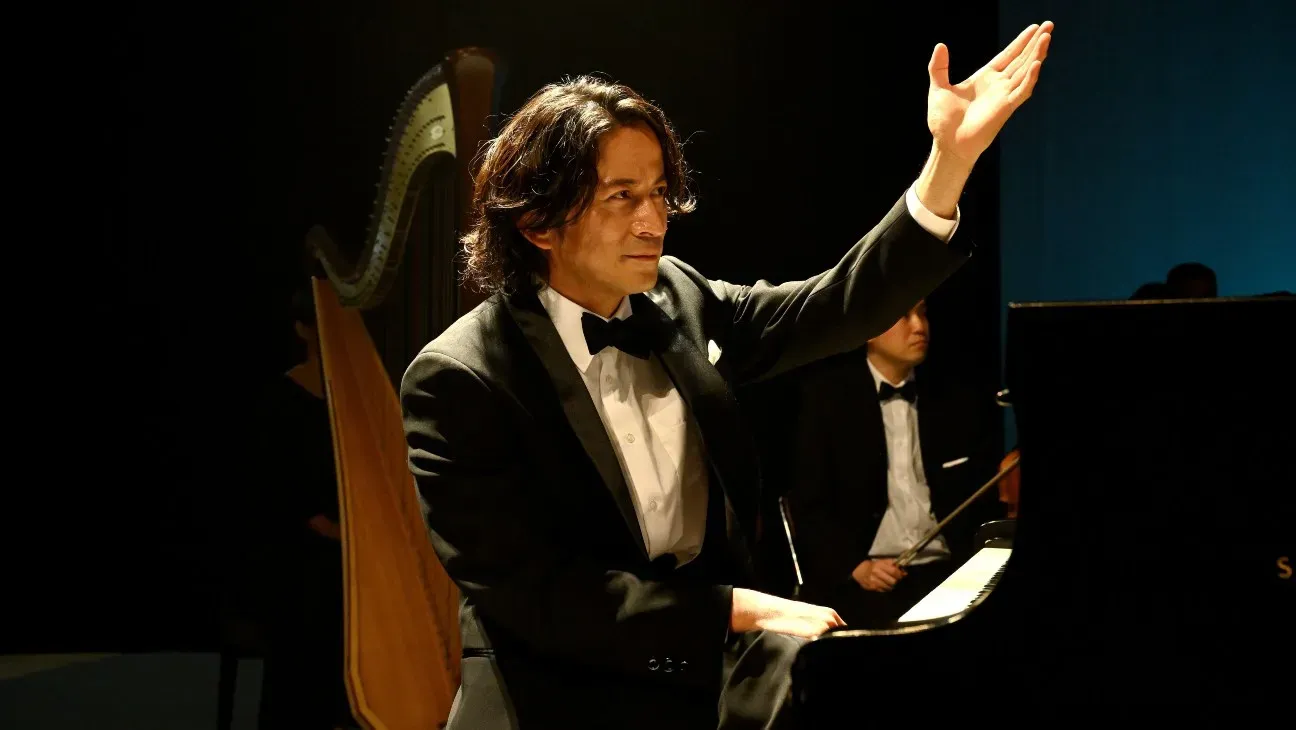
The 2026 Tokyo International Film Festival will kick off with the drama Sukiyaki, a film that delves into the origins of Japan's iconic song "Sukiyaki. The movie, directed by Takahisa Zeze, centers around Hachidai Nakamura, a renowned composer and jazz pianist.
Nakamura's partnership with lyricist Rokusuke Ei is a pivotal part of the film. The two men formed an unlikely alliance, bringing together Nakamura's musical expertise with Ei's poetic skills to create a unique sound that would captivate audiences worldwide. This collaboration was not without its challenges, however, as Nakamura had been struggling financially and personally after an ill-fated recital.
To rebuild his career, Nakamura turned to writing music for film, teaming up with Toho, the same company behind the 2026 film. Together, they crafted a rockabilly score for a 1959 movie, marking a significant turning point in Nakamura's life and paving the way for future success.
The pivotal moment came in 1961 when Nakamura and Ei co-created Ue o Muite Aruko, or 'I look upwards as I walk', which would go on to become an international phenomenon. This song was a fusion of traditional Japanese scales, jazz chords, and American pop influences, with lyrics that reflected the melancholy of Japan's post-war era.
Ei drew inspiration from the country's tumultuous past, including the failed mass protests against the Tokyo-Washington security treaty. His poignant words captured the nation's pain and longing for peace, while Nakamura's music added a sense of hope and resilience.
The song Sukiyaki would go on to become an anthem of Japan's recovery from its post-war struggles, transcending cultural boundaries and earning a permanent place in global pop culture.
The premiere of Sukiyaki at Tokyo's Sankei Hall on July 21, 1961 was a hastily arranged affair, with singer Sakamoto receiving sheet music just two hours beforehand. Despite the lack of rehearsal time, Sakamoto brought an authentic touch to the performance by incorporating minor key nuances and 8-beat rhythms reminiscent of traditional Japanese balladeers he had grown up listening to.
This distinctive style helped Sukiyaki stand out as a unique offering on the music scene. Released as a single, it quickly gained popularity in Japan, topping domestic charts for several weeks and selling over 300,000 copies from November 1961 to January 1962.
The song's catchy melody caught the attention of Louis Benjamin, a representative from British label Pye Records who had traveled to Japan in 1962. He was so taken with Sukiyaki that he decided to record an instrumental version, titled Sukiyaki , which featured Kenny Ball and his Jazzmen.
The story behind the title is an intriguing one, with two different accounts emerging over time. According to one story, Benjamin was inspired by a hotpot dish called sukiyaki after trying it in Tokyo, while another account suggests that Kenny Ball chose the name because he thought the original Japanese title was too difficult for listeners.
Benjamin's instrumental version of Sukiyaki became a hit in Britain, reaching the top ten in February 1963. However, when the song was released in the US by Capitol Records, it failed to make a significant impact. Undeterred, the label decided to release the original Japanese version, but with the title Sukiyaki, hoping to capitalize on its catchy melody.
The gamble paid off, as the song hit record stores on May 3, 1963 and went on to top the Billboard Hot 100 for three weeks in June. This achievement made Sakamoto the only Japanese artist to ever have a US number one single, marking a significant milestone in international music collaborations.
The global success of Sukiyaki was not limited to the United States alone. The song topped charts in countries such as Australia and Norway, showcasing its universal appeal. With over 13 million copies sold worldwide, it became a massive commercial hit.
As news of the song's international popularity spread, Toshiba saw an opportunity to capitalize on its success. In 1963, they reissued Sukiyaki with a new title that incorporated the katakana syllabary for foreign words. The packaging boasted the claim: global hit!
Japan was experiencing rapid economic growth at this time, with companies like Sony and Toyota making their mark on the global stage. The success of Sukiyaki added to the country's sense of pride, helping to heal the wounds of wartime defeat and occupation.
The song's popularity inspired a wave of international cover versions. Dozens of artists recorded their own renditions in Chinese languages alone, while others created interpretations in Spanish, German, and French. Japanese artists also joined in, covering Sukiyaki in various styles.
One notable fan of the 1963 release was Janice-Marie Johnson, a nine-year-old at the time who would later become the founder of R&B and funk outfit A Taste of Honey. Years after their own hit single Boogie Oogie Oogie, Johnson decided to tackle Sukiyaki with her band.
Johnson's version of Sukiyaki was met with resistance from her label and producer, who doubted its commercial viability in the R&B market. However, Johnson persisted, eventually releasing a version that topped the Billboard R&B chart and reached number three on the Hot 100 in 1981.
The iconic song Sukiyaki has continued to endure long after its initial release in 1963. Its influence can be seen in later works by other artists, including a notable reference in hip-hop duo Doug E. Fresh & Slick Rick's 1985 classic La Di Da Di, which borrowed lyrics from the song.
Tragedy struck on August 12, 1985, when Japan Air Lines flight 123 crashed into a mountainside in central Japan, resulting in one of the deadliest single-aircraft disasters in aviation history. The plane, which was carrying 524 passengers and crew members, suffered catastrophic mechanical failure just minutes after takeoff. The incident claimed the lives of 520 people on board.
In the years following the disaster, Sukiyaki has been revived as a symbol of hope and resilience in Japan. In 2011, it was featured in a television commercial, where 71 celebrities sang the song together, and it also appeared in the movie From Up on Poppy Hill that same year.
The song's enduring appeal continued to be felt at the Tokyo Olympics in August 2021, when Tokyo Ska Paradise Orchestra performed Sukiyaki at the closing ceremony. The film adaptation of the song, Sukiyaki, is set for release in Japan on Christmas Day and promises to bring together the original trio that Sakamoto had hoped to reunite just before his death.
The legacy of Sukiyaki" serves as a testament to its timeless appeal and ability to transcend generations and events.
Facts based on reporting originally published by The Hollywood Reporter.
You may republish this story, in full or in part, if you credit Noti Group and link to it (licence CC BY 4.0). Photos are not included.