






Shortical Expands Content Offerings to Include AI-Generated Productions
Shortical, a microdrama startup that has gained popularity with its melodramatic storylines and subscription-based model, is now incorporating AI-generated content into its offerings.
The microdrama startup Shortical has been making waves in the entertainment industry with its soapy and melodramatic storylines that keep viewers hooked on their phones. The company's content is often indistinguishable from other similar productions, featuring risqué romances and cliff-hanger endings that drive engagement.
Shortical was founded just over a year ago, but it has already become a significant player in the market. It generates revenue primarily through subscription-based models, where users pay for access to exclusive content after viewing a limited number of free episodes. Typically, users can watch the first 7-10 episodes without paying anything extra.
The company's popularity stems from its ability to produce high-quality live-action romances that captivate audiences. Some of its most popular titles include "Crossing the Line with My Neighbor," "Accidentally Married My Boss," and "Spoiled by My Billionaire Sugar Daddy." However, a recent shift in strategy has seen Shortical incorporating AI-generated content into its offerings.
Shortical's decision to incorporate AI-generated content is likely driven by the significant cost savings it offers. Live-action productions require substantial resources and investments, whereas AI-generated content can be produced at a fraction of the cost. This change in strategy may also hold the key to unlocking new revenue streams for the company.
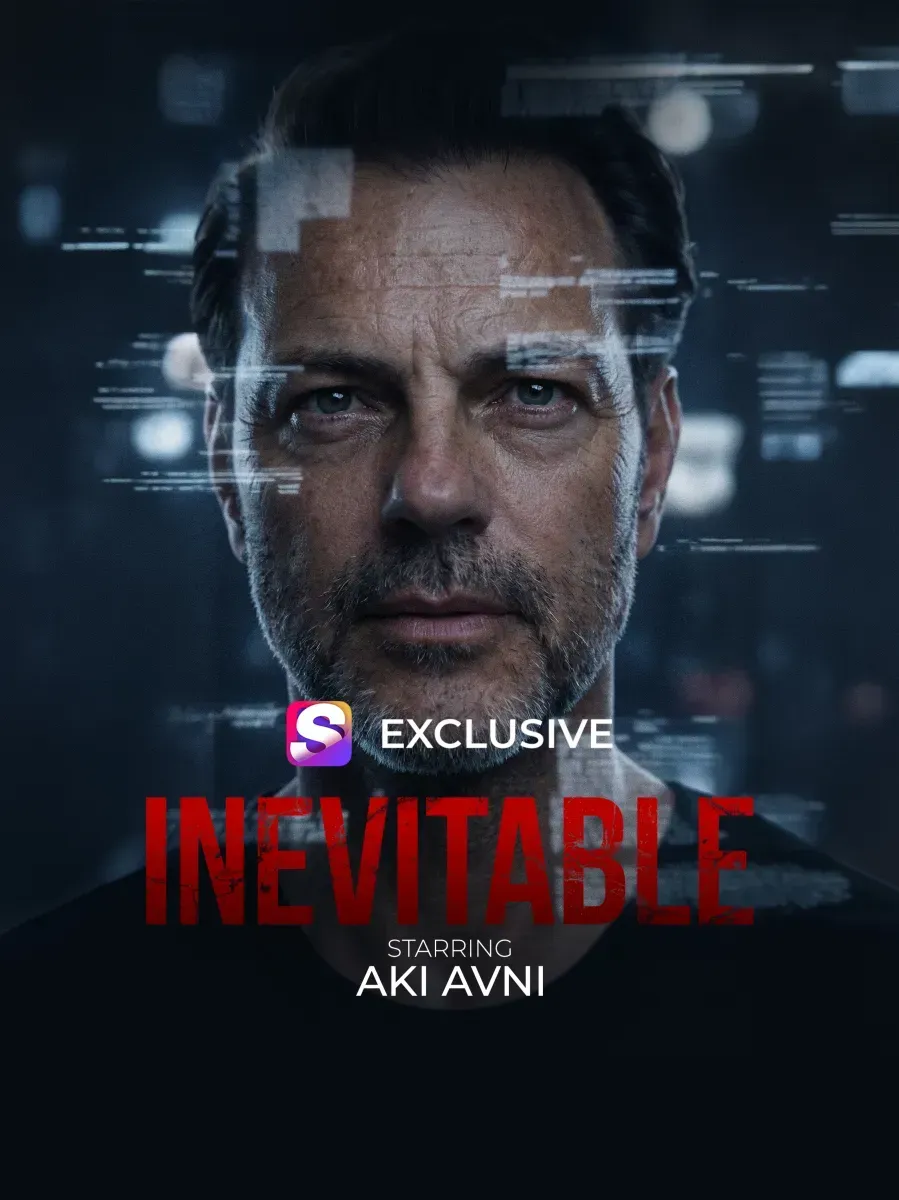
The latest microdrama from Shortical, "Inevitable, stars Aki Avni, an Israeli film and television star who has appeared on American TV shows like 24. What sets this production apart is that Avni has licensed his face to be used in AI-generated content, marking a new frontier in Hollywood's approach to talent.
Aki Avni's digital avatar was created using his own likeness, allowing him to star in a meta plot where he licenses his face to a film studio, leading to thriller-like developments in the project Inevitable.
Shortical, a microdrama startup, has ventured into new territory with this licensing deal, which is likely not an isolated instance given the company's ambitions.
The actor Aki Avni expressed mixed feelings about being part of this pioneering effort, describing it as both nerve-wracking and exciting. Look, it's a new era for artists, he said, acknowledging AI as a novel form of art that opens up fresh creative possibilities.
Guy Shimoni, CEO of Shortical, highlighted the advantages of using AI in production, enabling smaller teams to create movie-scale productions within budget constraints. This has enabled the company to produce epic fantasies with kingdoms, dragons, superheroes, and even werewolves.
The microdrama format appears to have gained significant traction worldwide, especially among a predominantly female audience in the US. It seems that viewers are tuning in for relaxation purposes, seeking minor dopamine hits before drifting off to sleep.
Millions of people have already viewed AI-generated programs on Shortical's website, which boasts a substantial global following, with China holding the largest share.
Shortical's ambitious plan to create AI-generated content is taking shape, with the company now offering creators the chance to license their likenesses for compensation. According to its website, interested parties can submit their social media handles, which will then be reviewed by Shortical to determine whether they qualify for a contract outlining the terms of using their persona in the company's AI-generated content.
The process, although still in its early stages, involves direct agreements with creators like Avni, who has already seen his likeness used in one of the company's programs. A spokesperson for Shortical revealed that this approach is being taken to gauge interest and refine the face-licensing model before expanding it further. The series featuring Avni was a test case, designed to generate buzz around the concept.
The trend of licensing facial likenesses has already gained traction in China, where the microdrama industry originated and AI-generated content is highly popular. In this market, face-licensing has become a norm, with reports suggesting that microdrama firms are paying individuals between $15 and $700 to use their likeness. However, it remains unclear whether creators outside of China will find the compensation attractive.
Shortical's approach to face licensing lacks transparency regarding the compensation offered to creators. When asked about potential royalty-based payments, similar to the residual system in television, Shimoni, a representative from the company, declined to provide specifics. Instead, he stated that each case would be evaluated individually, leaving many questions unanswered about Shortical's intentions and compensation structure.
The exact terms of Avni's contract with Shortical remain unclear, as a representative for the company declined to share specific figures. Instead, they emphasized that Avni was brought on board as a partner in the project and his compensation was commensurate with industry standards for non-AI acting roles.
It appears that not all actors will be treated equally under this new system. The company's approach may differ significantly from one individual to another, sparking concerns about fairness and equity within the microdrama industry.
Jennifer Cooper, a veteran observer of the industry, has expressed her reservations about AI's growing presence in microdramas. As founder of consultancy firm Vertical Drama Love, she notes that many creatives are deeply uneasy about automation creeping into their field.
Cooper points out that AI has had far-reaching consequences for the industry, causing widespread disruption and job losses. She recalls a time when microdramas were on the rise, providing opportunities for young actors to gain experience and hone their craft.
The licensing deals being made by Shortical could have a significant impact on the entertainment industry, potentially transforming it into a gig economy where creators pay to platform their content and receive payouts based on audience engagement.
This shift is driven in part by the financial landscape of the microdrama business, which is largely dominated by startups seeking investment. Venture capitalists are eager to back projects with growth potential, and automation is seen as a key factor in achieving that goal.
As a result, Cooper notes that anyone looking to secure funding for their microdrama startup must now mention AI as part of their pitch. AI equals gold in everyone's eyes," she says, highlighting the industry's obsession with this emerging technology.
However, despite all the investment pouring into AI-powered content, Cooper remains skeptical about its appeal to audiences. While some AI-generated material may gain traction, much of it falls flat, with viewers not necessarily clamoring for more.
The demand for AI content is being driven more by producers and platforms than by audience interest, Cooper suggests. This raises questions about the long-term viability of this trend and whether it will ultimately be sustainable.
When asked to comment on the potential impact of these changes, industry insiders are split on their views.
Microsoft's Satya Nadella recently sent shockwaves through the industry by asking thousands of employees to consider leaving their roles.
Industry insiders are divided on the potential impact of these changes, with some predicting a significant shift in the corporate landscape and others foreseeing minimal disruption.
The tech sector has been abuzz with news from various corners, including Amazon's and Google's joint investment in Anthropic, which will grant them nearly 30% ownership after the startup's IPO.
Facts based on reporting originally published by TechCrunch.
You may republish this story, in full or in part, if you credit Noti Group and link to it (licence CC BY 4.0). Photos are not included.