




Nvidia Boss's Ties to Trump Under Scrutiny Amid Sex Scandal Allegations
A sex scandal at Nvidia has put pressure on the White House and raised questions about the company's ties with US President Donald Trump.
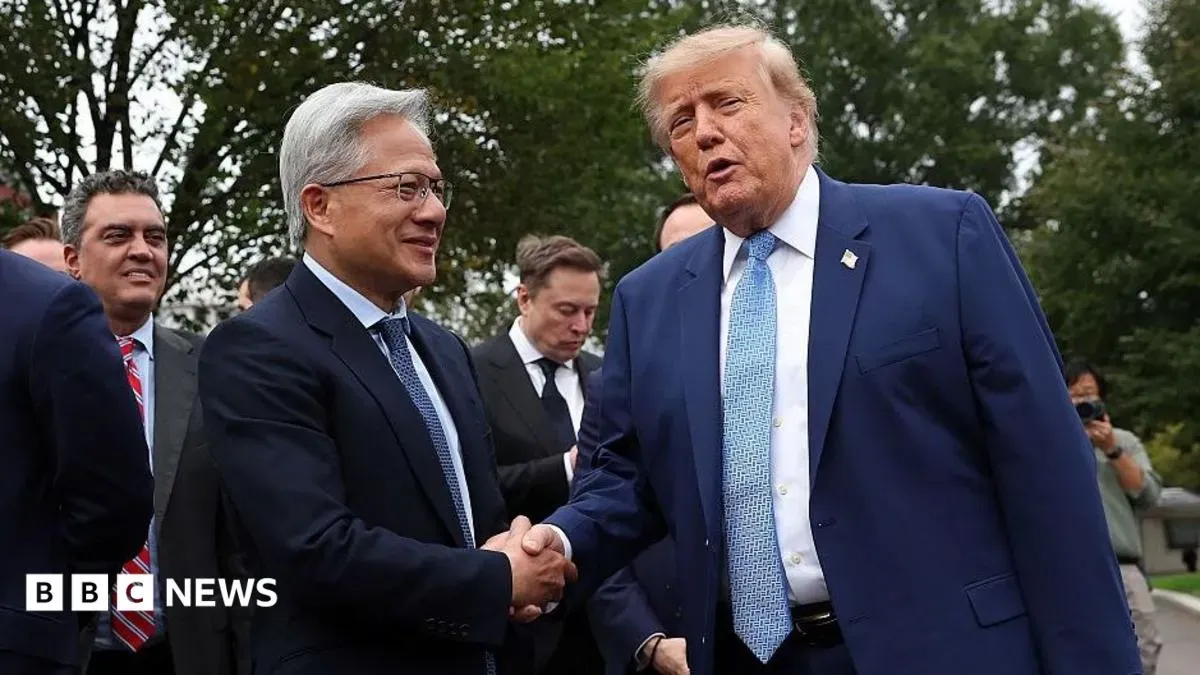
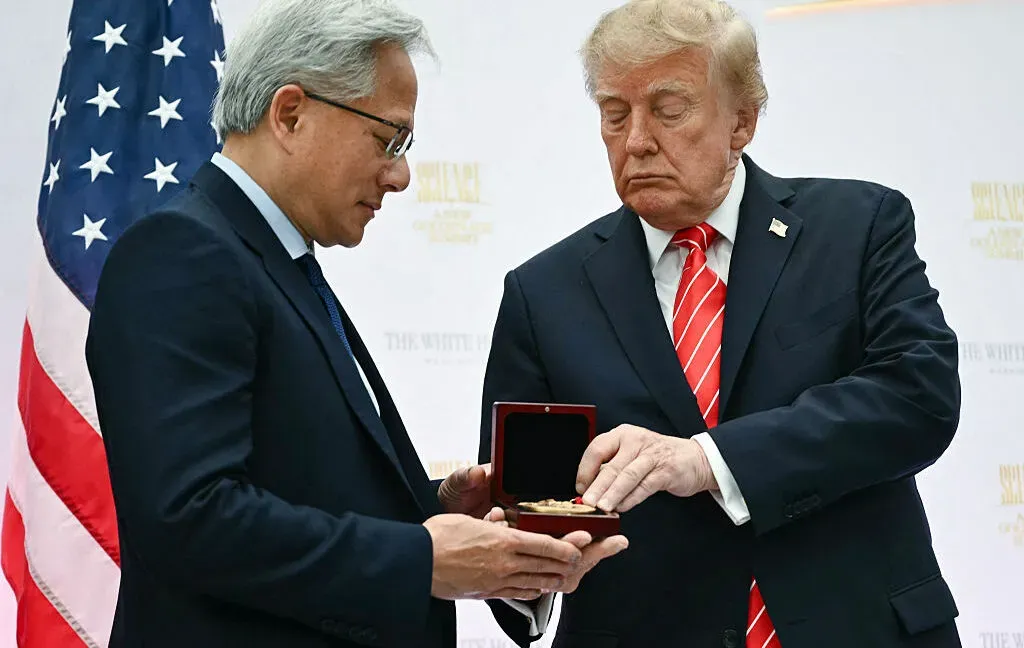
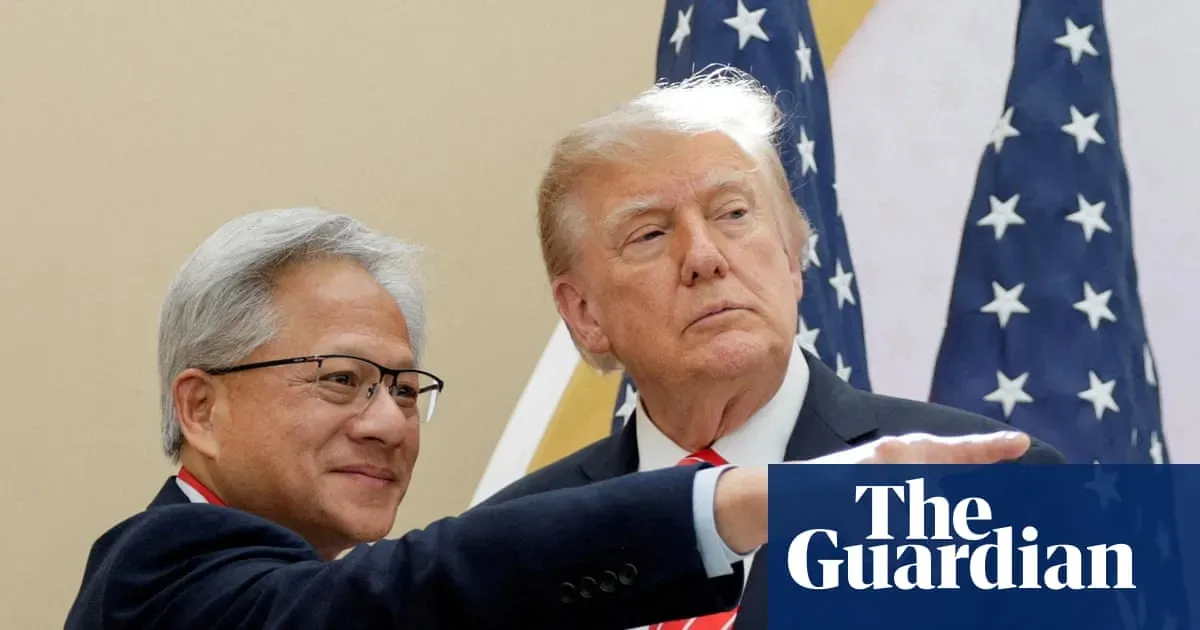
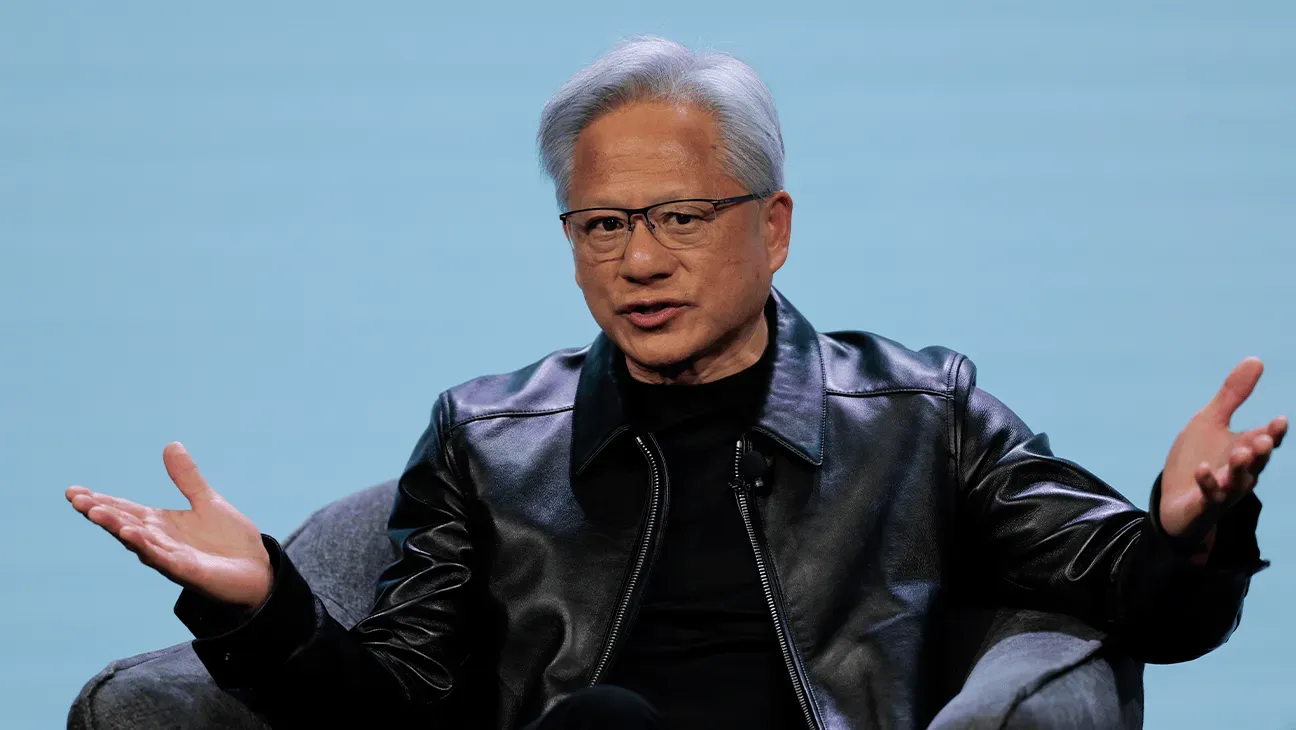
Donald Trump's relationship with Jensen Huang is under scrutiny following a sex scandal at Nvidia that has put pressure on the White House. The Nvidia boss was one of the few business leaders who enjoyed direct access to the US president. He had met Trump repeatedly and even traveled with him to Britain, where they likely discussed issues related to trade and technology.
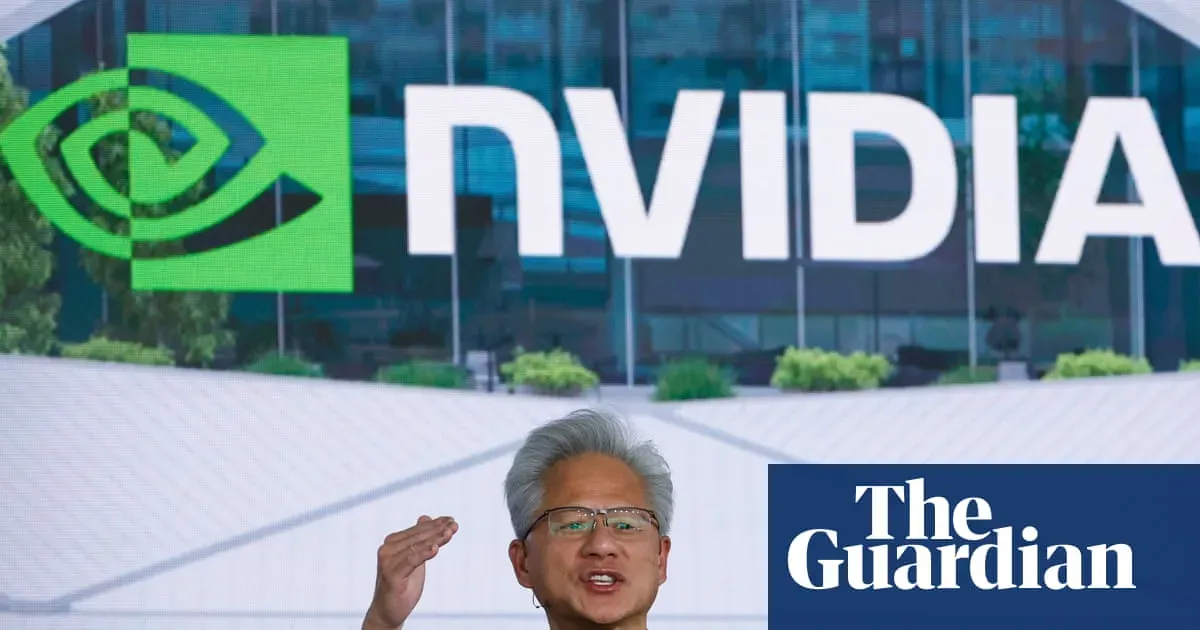
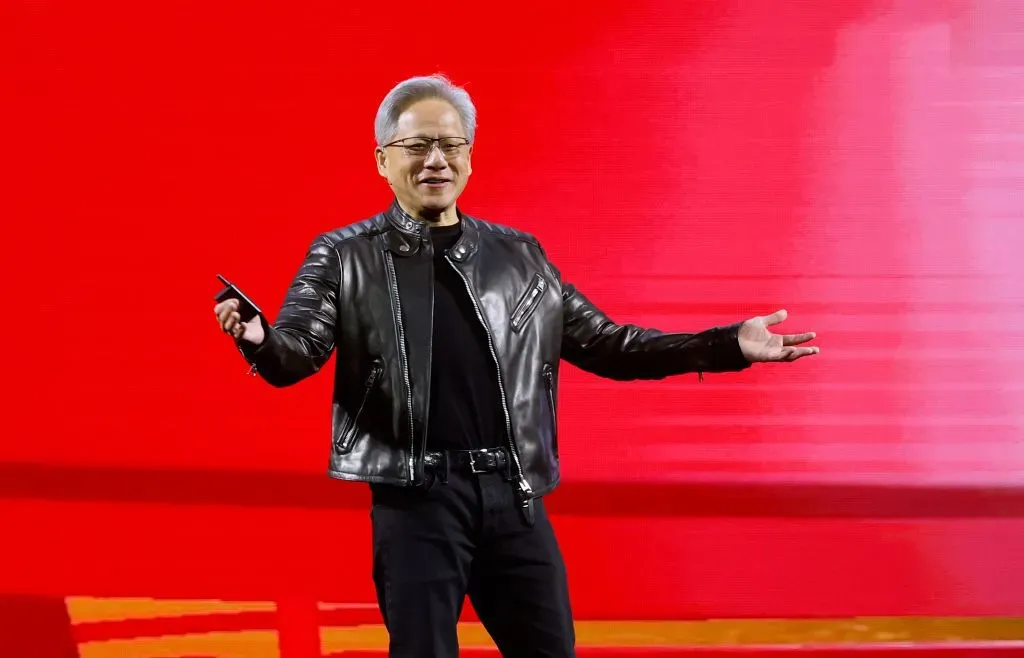
Jensen Huang's close ties to Trump have been a subject of interest in Washington, particularly given his influential role in shaping the administration's policy on high-tech exports. One of the key debates within the White House is how much of America's most advanced technology should be allowed to reach China, with Nvidia at the centre of this argument.
Nvidia makes chips that power the AI revolution and are crucial for various industries, including defence and finance. The US government has restricted exports of its most advanced processors to China since 2022, citing concerns over their potential military applications. However, enforcing these restrictions is a complex task due to loopholes in current regulations.
Chips can be legally purchased by customers in countries such as Singapore or Malaysia before being diverted to China. Chinese companies can also rent access to computing power through data centres outside the country. This has led some critics to accuse Nvidia and other US tech firms of exploiting these loopholes to circumvent restrictions on high-tech exports.
Jensen Huang has long maintained that these restrictions are counterproductive, shutting out American businesses from a significant market while encouraging Chinese companies to develop their own alternatives. His views on this issue have been shared by Trump in the past, who allowed Nvidia to resume sales of certain chips to China last year as part of a revenue-sharing agreement.
The relationship between Nvidia and Washington's power brokers has become increasingly complex due to allegations surrounding a high-profile affair.
US intelligence agencies have raised concerns that Alice Huang, a former executive at Singapore-based Megaspeed, may be connected to Chinese intelligence services. Beijing has denied these claims, while Nvidia's board maintains that there is no evidence to suggest company secrets or national security were compromised in the alleged affair.
The controversy has sparked questions about what the administration in Washington knew and how it responded to concerns about Megaspeed, an Nvidia customer suspected of helping divert advanced chips to China.
A classified memo shared with Lutnick outlined concerns about Alice Huang and Megaspeed, but he resisted taking action against the company.
Senior officials in Washington questioned why Megaspeed had not been added to the Commerce Department's blacklist, a move reportedly suggested by Treasury Secretary Scott Bessent.
The decision to halt an investigation into Megaspeed after Nvidia intervened has raised further eyebrows. It is alleged that Nvidia's general counsel contacted Commerce Department investigators and invoked a senior Trump appointee.
This intervention led to the case being handed over to the Justice Department, sparking concerns about the direction of Trump's China policy. There are differing views on how to balance access to the Chinese market with national security risks.
Disagreements about the administration's approach have been highlighted by the controversy surrounding Megaspeed and its suspected involvement in chip smuggling.
The controversy surrounding Nvidia's Jensen Huang has not subsided despite his departure from the company.
Republican lawmakers have been scrutinizing the situation, and their concerns are centered on national security. According to John Moolenaar, chairman of the House Select Committee on China, it is crucial for American AI firms like Nvidia to succeed, but they must do so without compromising the nation's security by sharing advanced technology with Chinese companies.
Senator Elizabeth Warren has also weighed in, emphasizing that Huang's resignation does not absolve him of responsibility. She has urged Lutnick to explain why export control loopholes remain unaddressed, and it is clear that lawmakers are eager for answers on this matter.
The White House has maintained a stance of support for Commerce Secretary Lutnick, describing him as "the most transformative commerce secretary in modern history" and stating that President Trump has complete confidence in his abilities.
The Commerce Department has yet to respond to inquiries from the BBC about the unfolding scandal.
A closer examination of President Trump's ties to Jensen Huang reveals a significant level of involvement in key decisions regarding chip sales to China. Reports suggest that the president was not only briefed on intelligence concerns but also actively participated in shaping policy. This raises questions about the extent of Huang's influence over White House decision-making.
The scandal has evolved from a personal issue for Nvidia's CEO into a much broader concern, with implications for national security and the integrity of America's most sensitive technology. The president's relationship with Huang is now under scrutiny, as are the measures taken to safeguard against potential breaches in chip sales to China. Ultimately, accountability for the crisis will depend on a thorough investigation.
Facts based on reporting originally published by BBC News Business.
You may republish this story, in full or in part, if you credit Noti Group and link to it (licence CC BY 4.0). Photos are not included.