





Iran Continues Talks with Saudi Arabia, Turkiye, and Pakistan on Regional Peace and Security
A high-level meeting in Tehran has led to a joint statement from Iran and its counterparts pledging continued dialogue and cooperation on regional peace and security.
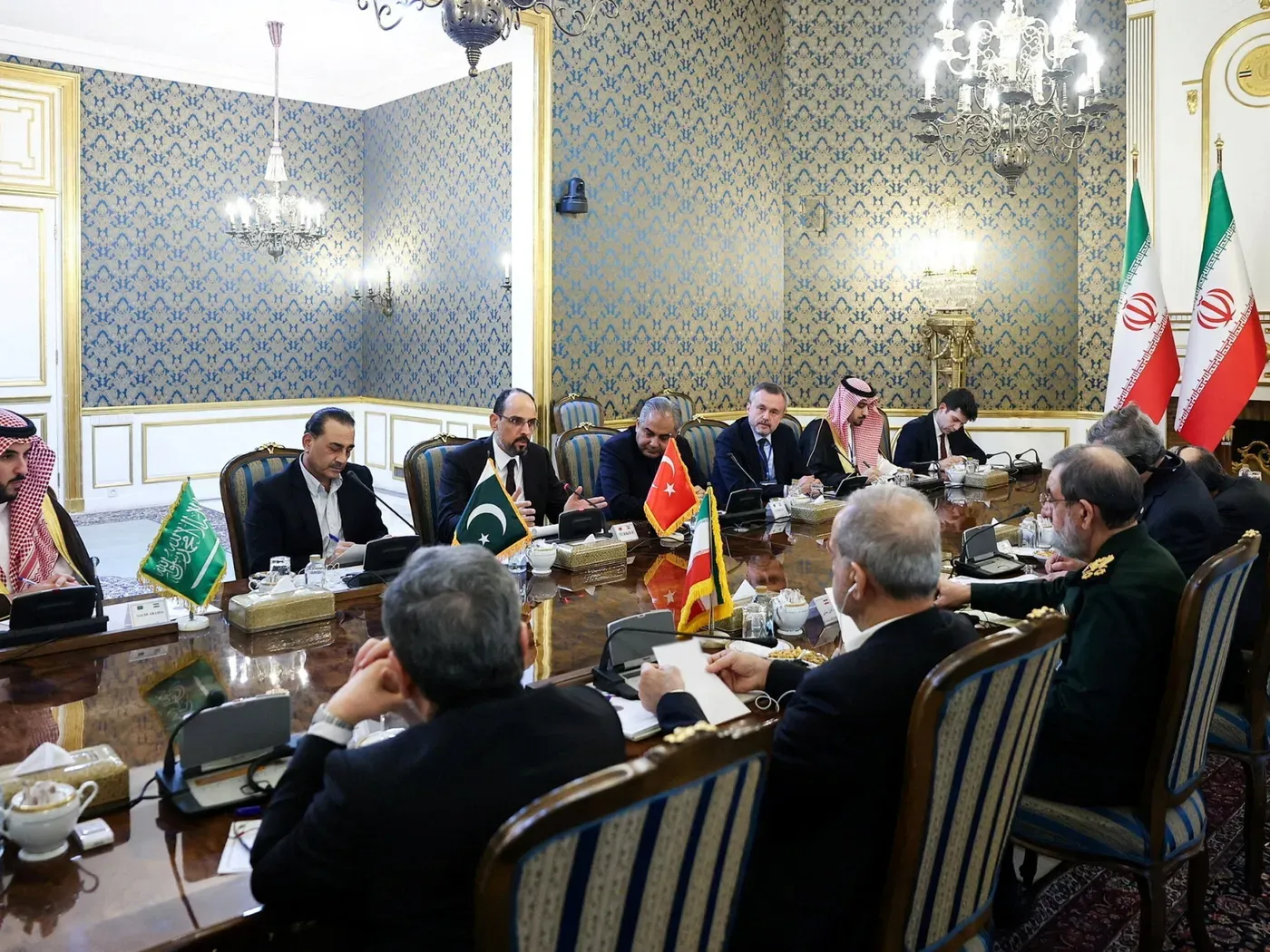
Iran has agreed to continue talks for regional "peace and security with Saudi Arabia, Turkiye, and Pakistan following a high-level meeting in Tehran on Monday. The talks marked the first significant contact between Iran and the three countries since a conflict began that involved US and Israeli strikes on Iran, as well as fighting in Yemen.
The four nations signed the Mecca mutual defence pact in August, which is aimed at strengthening cooperation among regional countries for peace and security. Despite ongoing tensions, the agreement has brought about increased diplomatic efforts between the signatory states, with Monday's meeting being a key development in this process.
In a joint statement released late on Monday, Iran and its three counterparts pledged to continue their dialogue and strengthen cooperation, including measures aimed at enhancing regional peace and security. The statement was issued through Iranian state media and reflects a commitment from the participating countries to work towards a more stable future for the region.
The meeting in Tehran took place amidst heightened tensions, with Colonel Turki al-Maliki, a coalition spokesperson, announcing on Tuesday that Saudi Arabia's Eastern Province had been targeted by three ballistic missiles fired by Houthi forces.
The coalition's efforts to counter Houthi attacks in Saudi Arabia have continued, with reports emerging of three drones being shot down over Riyadh and southern Saudi Arabia on Monday evening.
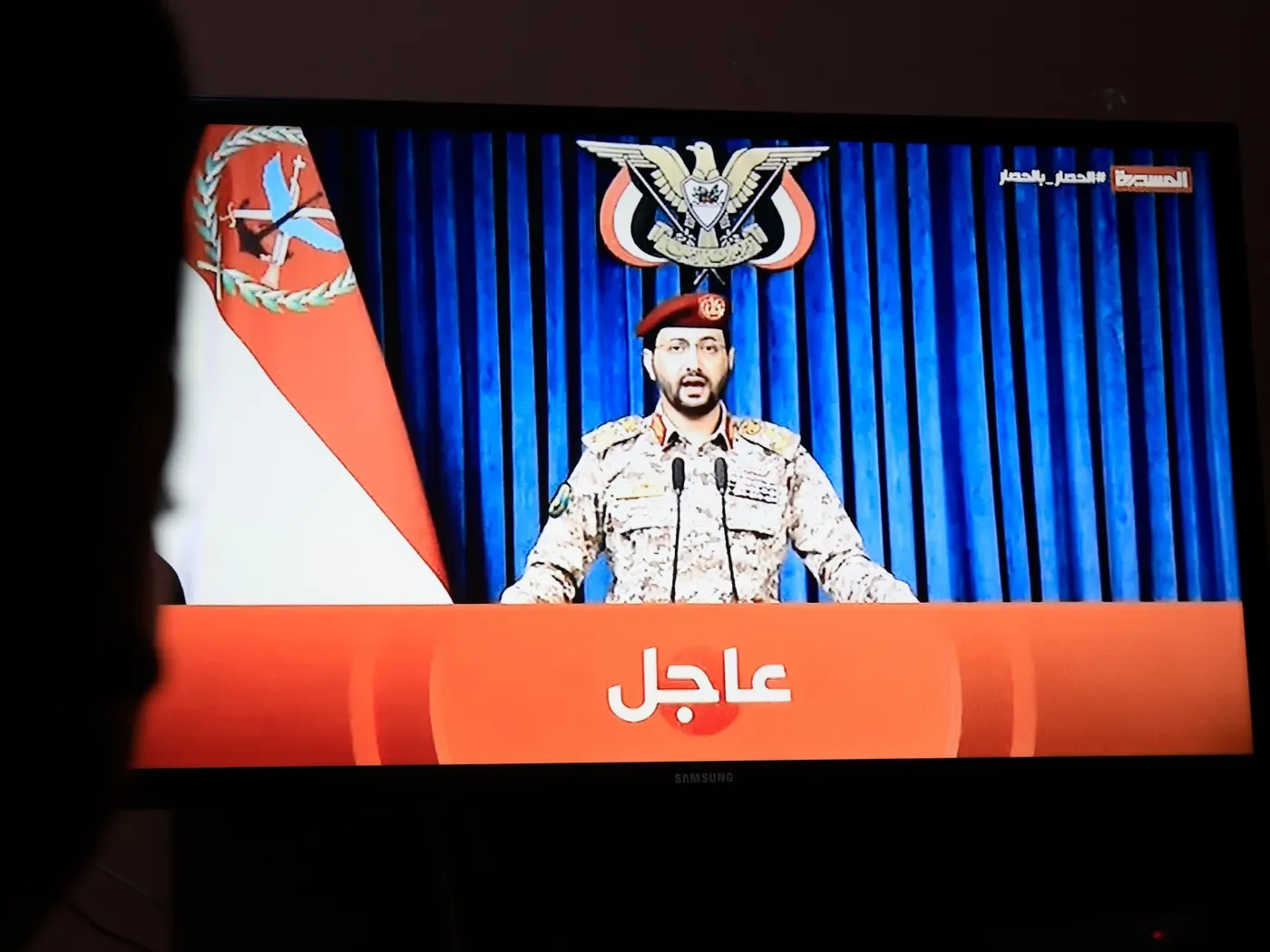
No statement has been issued by the Houthis regarding these incidents, leaving questions about their intentions unanswered.
A key development in the region is the recent visit to Tehran by officials from Iran's neighbors, including Saudi Arabia, Turkey, and Pakistan. This meeting was part of an effort to establish negotiating channels aimed at preventing further military escalation.
Iranian President Masoud Pezeshkian, Foreign Minister Abbas Araghchi, and Secretary of the Supreme National Security Council Mohsen Rezaei were among those present in Tehran for the talks, according to Iranian state media.
The proposal put forth by Pakistan and Qatar suggests that they could act as guarantors if the plan is accepted by all parties involved. This role would be crucial in ensuring the success of any potential agreement reached during the talks.
Iran's Secretary of the Supreme National Security Council has observed that the visit demonstrates American threats have limited impact on countries around the world, implying a shift in regional dynamics. He also expressed optimism about the developing new and positive atmosphere" in the area.
The meeting was initially proposed by Field Marshal Munir when he visited Tehran last week, with Esmaeil Baghaei of Iran's Foreign Ministry describing it as a possible first step towards establishing regional security arrangements. This development comes amidst heightened tensions between Washington and Tehran.
Tensions have escalated recently, with US President Trump warning that the US might launch another strike against Iran. This threat has been made in the context of ongoing conflict between the two nations, which resumed after an interim peace agreement was reached through mediation by Pakistan and Qatar in June.
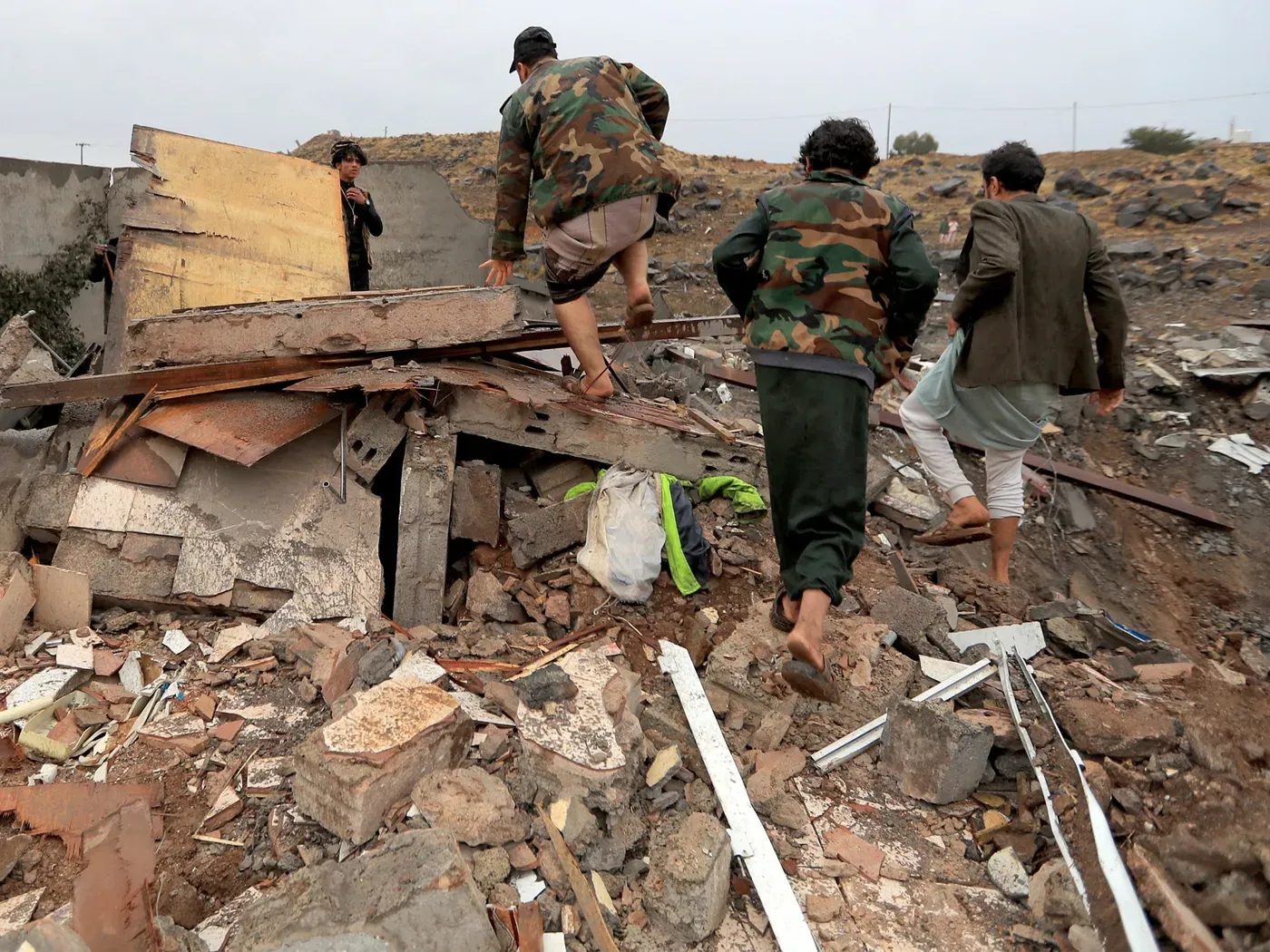
In Yemen, the Iran-aligned Houthis have seized strategic areas along the Red Sea coast from Saudi-backed government forces in a swift offensive last month, prompting a counterattack. The Houthi group has also launched attacks on Saudi airports, ports, and oil facilities, including a strike on King Khalid International Airport in Riyadh this month that resulted in at least 13 deaths and over 300 injuries.
Saudi-led coalition forces intercepted and destroyed missiles fired by Houthi rebels at Riyadh airport and crude oil pumping stations in western and eastern Saudi Arabia, according to reports from earlier on Monday. The coalition also claimed that it launched retaliatory attacks against Houthi military targets.
The strikes targeted five tunnels used for storing ballistic missiles, four missile launchers, and a missile depot, the coalition said. Meanwhile, the conflict has disrupted shipping through the Strait of Hormuz and driven up oil and petrol prices. Egypt's Parliament on Monday authorized its military to assist in defending Saudi Arabia.
Facts based on reporting originally published by Al Jazeera.
You may republish this story, in full or in part, if you credit Noti Group and link to it (licence CC BY 4.0). Photos are not included.