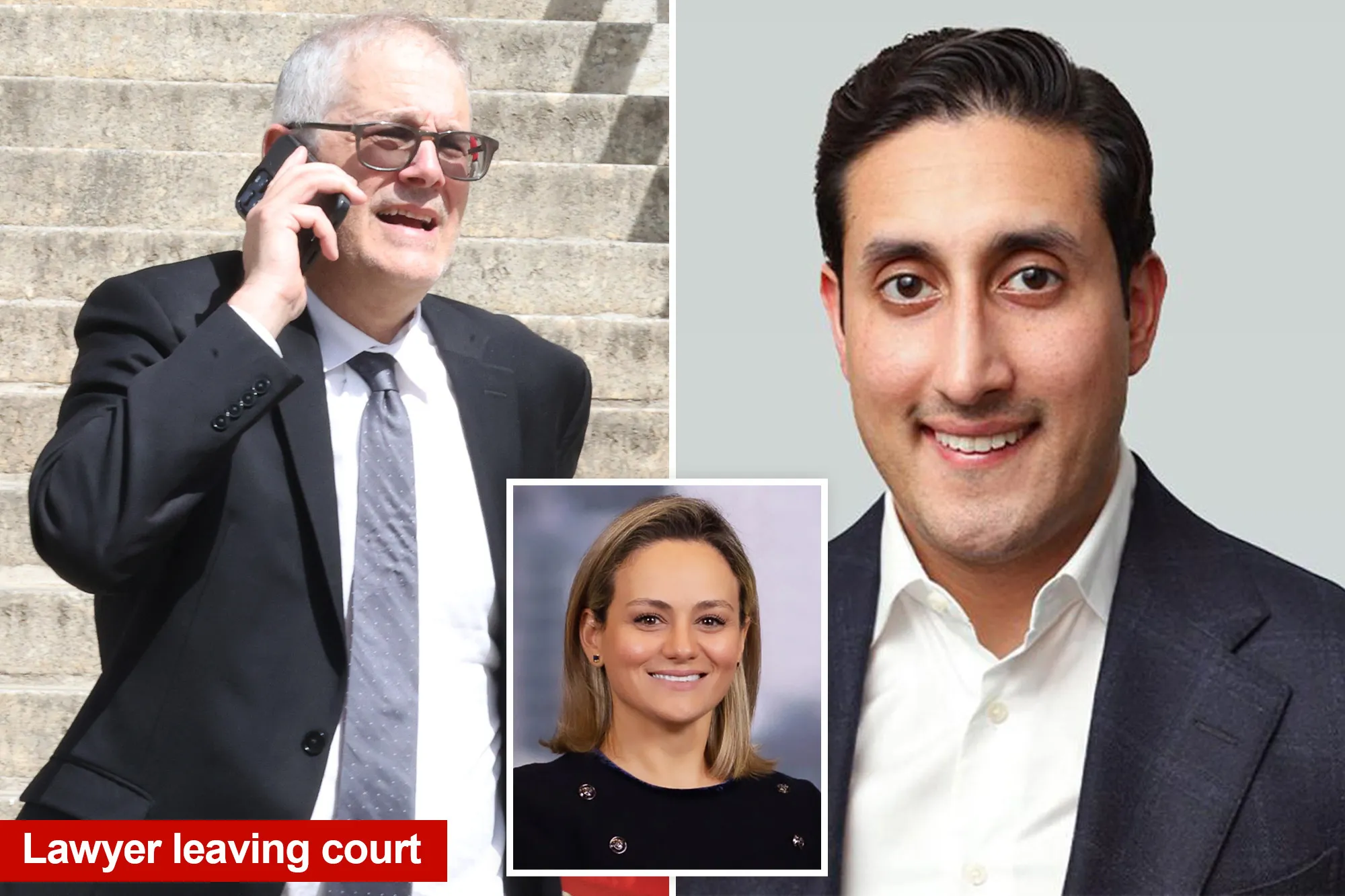
Ex-JPMorgan banker Chirayu Rana cannot remain anonymous in his explosive sex slave lawsuit against a female executive at the bank, a judge ruled Tuesday — the latest major blow to his legal case.
“The case law makes it really clear,” said Manhattan Supreme Court Judge Dakota D. Ramseur. “You can’t put the genie back in the bottle.”
Rana’s identity was revealed by The Post after he filed the suit against Lorna Hajdini and America’s biggest bank earlier this month. But officially, he was “John Doe” and was seeking to remain anonymous because he claimed to be a victim of sex harassment and assault.
The ruling came after Rana’s high-powered lawyer, Daniel Kaiser dropped his client, saying they had mutually agreed to “end their partnership.
Lawyers for Hadjini and JPMorgan argued that Rana has participated in press coverage — and claimed he hired a crisis PR firm.
Keeping Rana’s identity secret would also be “prejudicial” to their clients — allowing to Hajdini and JPMorgan’s names “to be continued to be dragged through the mud,” Hajdini’s attorney, Melissa Rodriguez argued.
It would also be harder to argue Hajdini’s defamation counterclaims, which she filed last week.
“The cat’s out of the bag,” said Rodriguez. “My client…cannot proceed to clear her name,” she said in reference to a last-minute 60-day adjournment requested by Kaiser at 9:01 a.m. on the day of the hearing.
“The public should be permitted to know what is going on.”
Rana’s lawyer, Kaiser, had sought to delay the ruling, but the judge denied the request on the grounds that Kaiser’s filing did not include the name of a new lawyer.
Ramseur pressed Kaiser about the request for his client to continue to be named “John Doe” in his case against Lorna Hajdini, as he had been in previous filings.
Appearing resigned and unprepared, Kaiser declined to cite any specific cases where a person was permitted to remain anonymous despite the world already knowing his name, arguing that the nature of the allegations should be sufficient to permit his confidentiality in court filings.
“I’m not aware of one,” Kaiser conceded, citing no case law or precedent supporting his request, but argued future confidentiality may still be protected once “interest will fade” in the case.
Rodriguez argued that his lawsuit was so detailed, with names of projects and supervisors, that “any reporter could figure out who they were talking about.”
Attorneys for JPM and Hajdini argued that it would be unfair to have their names published alongside the salacious allegations while he is afforded special privileges.
“But it doesn’t end there, your honor. The plaintiff himself has spoken with the media publicly,” citing an interview last week in The Juggernaut about his life story.
“Prior to that, plaintiff had engaged a crisis management firm that also spoke publicly and disclosed his name to various media outlets,” Rodriguez said.
“Ms. Hajdini would be severely prejudiced if the plaintiff is allowed to continue to proceed on a Doe basis,” she argued.
Judge Ramseur also pushed for Rana, the bank and Hajdini to settled the case out of court.
Sources previously told The Post that JPMorgan had offered Rana $1 million to drop his claims — which the bank called “fabricated.”
“I do want to encourage on the record that everyone talk to their respective clients to the extent that they can and find out what, if anything, can make this case resolve itself,” she said.
Rana has claimed he was subjected to a sustained campaign of sexual coercion and racial degradation while management ignored his complaints, and that Hajdini threatened to slash his bonus unless he agreed to become her “sex slave.”
Neither Rana nor Hajdini attended the hourlong hearing.
The next court date in the case is set for June 23
[Notigroup Newsroom in collaboration with other media outlets, with information from the following sources]