


England Player Withdraws from Afghanistan Premier League Draft
Ollie Pope has withdrawn from the draft for the inaugural edition of the Afghanistan Premier League due to controversy surrounding the competition.
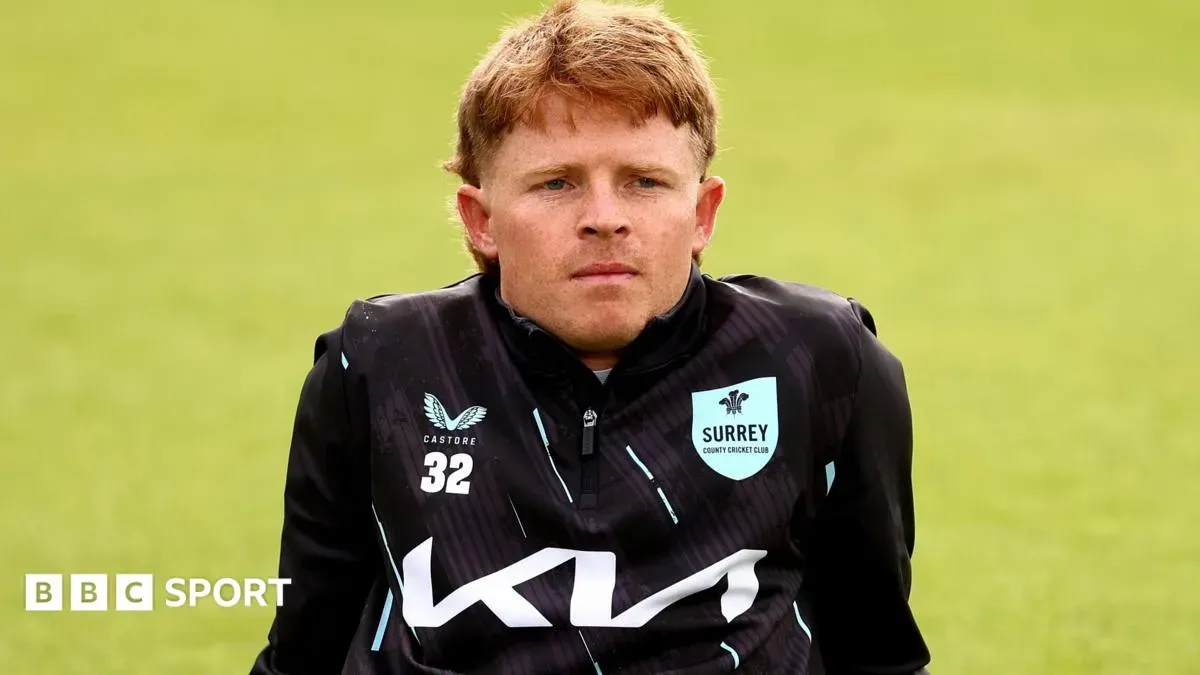
England batter Ollie Pope has withdrawn from the draft for the Afghanistan Premier League, a move that comes after controversy surrounding the competition.
Pope was set to be the only centrally contracted England player participating in the inaugural edition of the APL, which is scheduled to take place in the United Arab Emirates later this year. The league's involvement with the Taliban has raised concerns among many in the cricket community.
When England announced its latest batch of contracts earlier this week, director of cricket Rob Key stated that he would not play in the APL, citing it as a "legally hard issue to prevent England players from participating.
In order for an English player to take part in the league, they require a No Objection Certificate from the England and Wales Cricket Board (ECB). As a contracted player, Key's opinion on Pope's availability would have been significant.
The England and Wales Cricket Board (ECB) has maintained its stance on not scheduling bilateral cricket matches against Afghanistan since the Taliban's return to power in 2021. This decision was made in light of the Taliban's oppressive policies towards women and girls, which have been described as gender apartheid" by ECB chair Richard Thompson.
England has continued to participate in global events featuring Afghanistan, including World Cups in limited-overs formats and the Champions Trophy. However, the team's involvement in such events does not imply a change in policy regarding bilateral matches. The Taliban's actions continue to be a major concern for many countries, including England.
Key's opinion on Pope's decision-making process is significant given his experience as a contracted player. He has spoken out against the Taliban's treatment of women and girls, stating that he would not participate in any event where such practices are tolerated. This stance highlights the complex issues surrounding international cricket and politics.
The decision to recall Pope to the Test squad for the series against Pakistan last summer was seen as a surprise by many. He has since taken on captaincy duties on six occasions, including a high-profile match against India at The Oval in 2025. Key's involvement in these conversations suggests that he is closely involved in the team's decision-making process.
Key confirmed that he had discussed Pope's feelings about playing in Afghanistan with him, leaving it up to Pope to make his own decision on the matter. This conversation highlights the personal and professional considerations that players must weigh when making decisions about their careers.
The controversy surrounding Afghanistan's T20 league continues to simmer, with several high-profile cricketers facing difficult decisions about their participation in the tournament.
Women and girls in Afghanistan are denied basic rights and freedoms, including equal access to sports, according to a senior figure who spoke out against the league. This stark reality has sparked concerns among players who have family members of their own, particularly those with daughters or sisters who may one day aspire to play cricket.
The International Cricket Council (ICC) is under pressure to intervene in the situation, with some calling for it to refuse to sanction the event. Full membership status for Afghanistan would be a contradictory move, given the country's treatment of women and girls in sports.
Several prominent cricketers have now been entered into the draft for the league, including England's Dawid Malan, who voiced his own reservations about participating. As a player, Malan acknowledged the moral complexities involved in making a decision about whether to play in the league.
Malan emphasized that players rely on guidance from the ICC and their respective boards when navigating these kinds of situations. He also highlighted the personal aspect of the issue, citing his own daughter as an example of why he wants to support efforts to promote women's sports.
The fact that England does not engage in bilateral series with Afghanistan but still plays them in international competitions has raised questions about the inconsistencies in the country's cricketing relationships.
The controversy surrounding the Afghanistan T20 league continues to raise questions about the moral implications of international sports relationships.
Players are being forced to choose between their professional obligations and their personal values, as they navigate the complexities of competing in a country with a questionable human rights record.
The Taliban's treatment of women has been widely condemned, yet it appears that cricketers are being held to a different standard than governments and corporations that maintain ties with states accused of similar abuses.
Facts based on reporting originally published by BBC Sport.
You may republish this story, in full or in part, if you credit Noti Group and link to it (licence CC BY 4.0). Photos are not included.