


Afrobeats Hypemen Revolutionize Music Scene with High-Energy Performances
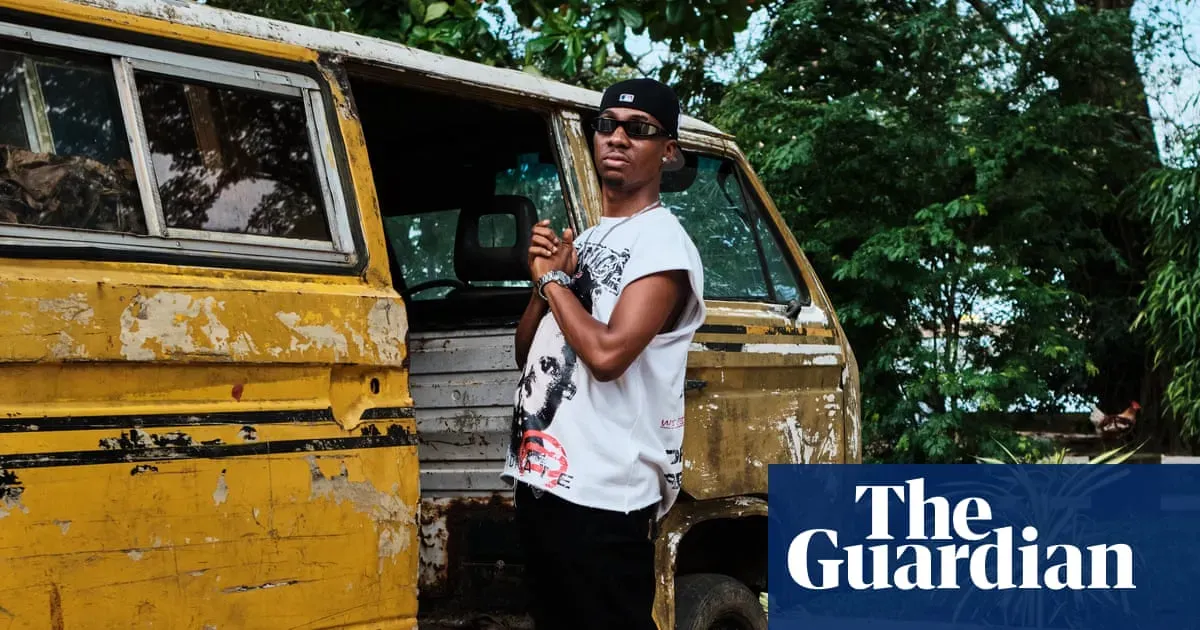
Tobi Michael Adeyeye, a Nigerian hypeman, has become a pioneer of this movement by captivating crowds with his unique style.
The world of Afrobeats music has been transformed by a new breed of performers known as hypemen, who have taken the genre to new heights with their high-energy performances and infectious beats.
Tobi Michael Adeyeye, a 32-year-old Nigerian, is one of the pioneers of this movement. Born in Nigeria, he developed his skills as an emcee from his days as a private tutor and a member of a three-man band in his high school days.
Adeyeye's unique style has captivated crowds, earning him the nickname "Shang among his peers at the University of Lagos. His presentations were so engaging that they became legendary, inspiring others to follow in his footsteps.
Hypemen like Adeyeye do not sing or rap entirely but instead focus on delivering high-octane ad-libbed vocals and onomatopoeic sounds over popular instrumentals. This energetic style has become a hallmark of Afrobeats music, drawing crowds to nightclubs and events.
The Nigerian custom of spraying money is also an integral part of hypemen performances, with patrons donating cash to celebrate the performer's energy and skills. Adeyeye has taken this concept further by hosting his own raves and releasing two EPs, cementing his status as a leader in the Afrobeats sub-genre known as Afrohype or lamba.
Hypemen are now a staple at various social gatherings, from wedding after-parties to corporate events and raves. One teenage sensation has gained fame on Instagram for recording 30-second hypes for birthday celebrants, often at the request of friends or relatives.
The ability of hypemen to command an audience with their quick wit and sharp mic skills is a notable aspect of this sub-genre. A London-based doctor and cultural critic who recently encountered one at a party in Tirana observed that hypemen use the spaces between lyrics to deliver humorous quips, some of which can be quite risqué.
Despite being a male-dominated field, women have made significant contributions to the hype scene. One notable example is Lady Ponce, a Yaoundé-based bikutsi artist known as the 100,000-volt lady due to her boundless energy. Other prominent female figures in the scene include Deborah 'Hype Queen Baddy' Francis and Melody “M.I.A Adigo.
The art of hyping has its roots in traditional praise-singing and call-and-response music styles that have been a part of Black cultures on both sides of the Atlantic for centuries. In West Africa, this tradition took the form of oral historians known as griots, while in the US, it was sustained by negro spirituals.
These musical traditions laid the groundwork for the atalaku style, which emerged in 1980s Kinshasa and eventually gave rise to today's hype scene. The atalaku tradition is characterized by its use of call-and-response patterns and energetic performances, reflecting the rich musical heritage of West and Central Africa.
The influence of atalaku can be seen in various musicians from around the world, including American gospel singer Kirk Franklin and Congolese rumba bandleader Koffi Olomide. These artists have helped popularize the style, which is characterized by its use of call-and-response patterns and energetic performances.
In Côte d'Ivoire, the success of Olomide and Awilo Longomba at the turn of the 21st century sparked a craze for coupé-décalé music. This genre embraced the atalaku trend alongside farotement, which involves showing off by throwing cash at performers or guests at parties.
The influence of atalaku can also be seen in Nigerian Afrobeats musicians Flavour N'abania and Skales, who drew inspiration from DJ Arafat's 2003 viral homage to a late friend. This song, "Tout le monde galope, kirikata kirikata", encouraged audiences to gallop like a horse.
Côte d'Ivoire's national television network, RTI, ran an atalaku talent hunt for several years, which was won by Lili Djely in 2006. The competition was notable for featuring an Ivorian woman of Malian origin defeating men to take the crown.
In recent years, Afrobeats has become a lucrative career path, with hypemen now widely recognized as full-time professionals. As artists' fees increased after Covid-19, promoters turned to hypemen, who are reportedly paid up to 5-8m naira for a 30-minute or one-hour performance.
Despite concerns about their role, hypemen have become an integral part of Afrobeats events.
Their energetic performances and witty banter are designed to get crowds pumped up and dancing, but some argue that hype can also be overwhelming or even encourage unhealthy behaviors.
In contrast, promoters like Shang see hypemen as a necessary addition to the entertainment scene, helping people let loose and forget their troubles.
Facts based on reporting originally published by The Guardian World.
You may republish this story, in full or in part, if you credit Noti Group and link to it (licence CC BY 4.0). Photos are not included.