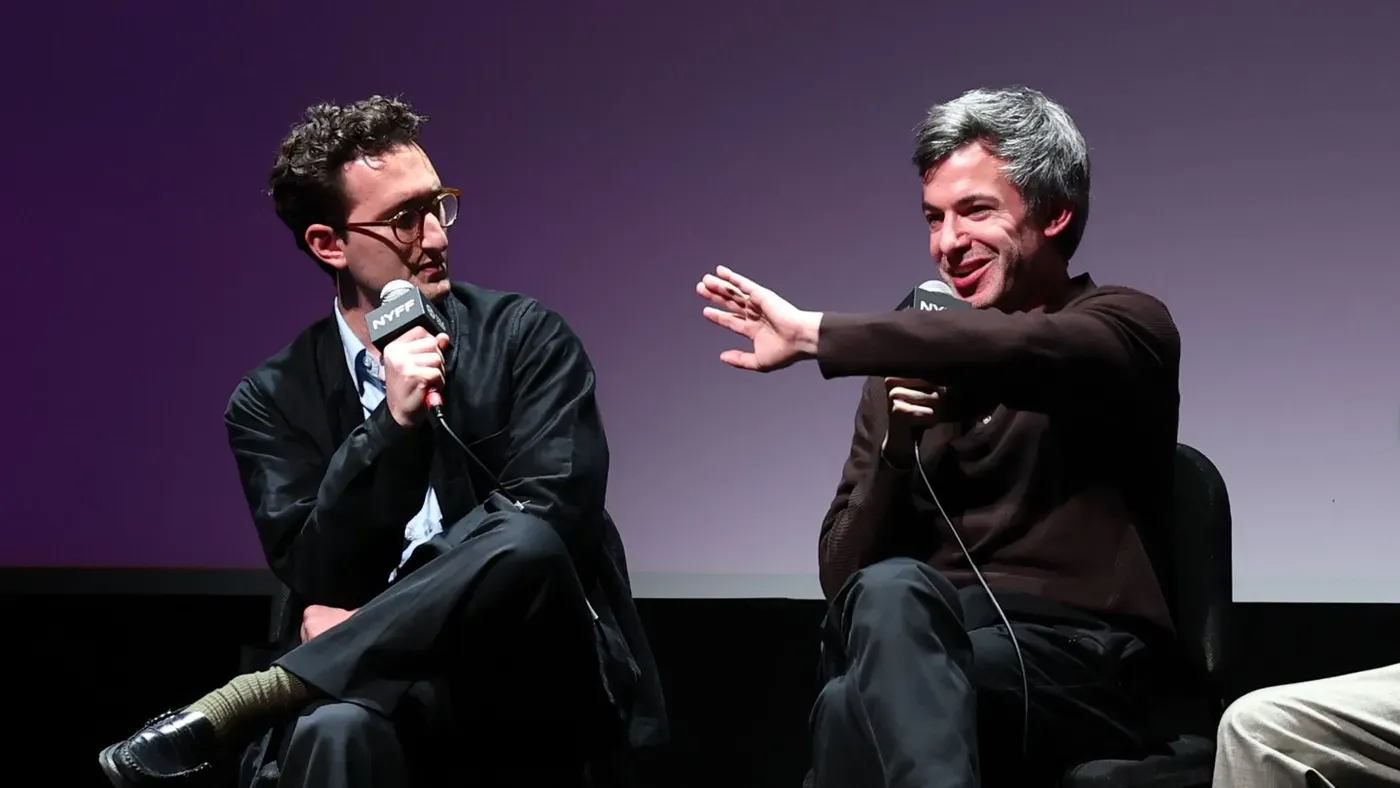

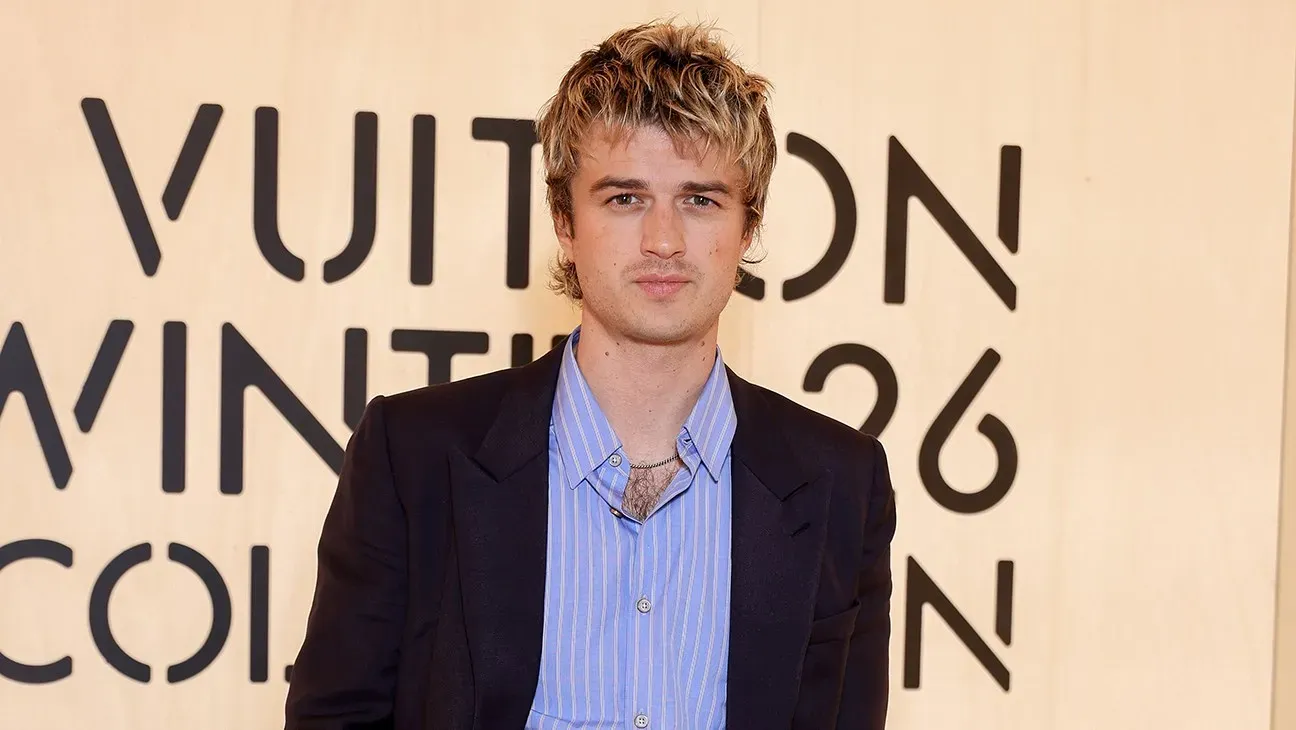

Adam Bonke and Christian Bonke
Documentary "Perfect Road" follows Maximilian Schnell as he navigates Europe's highest mountain passes on his bicycle.
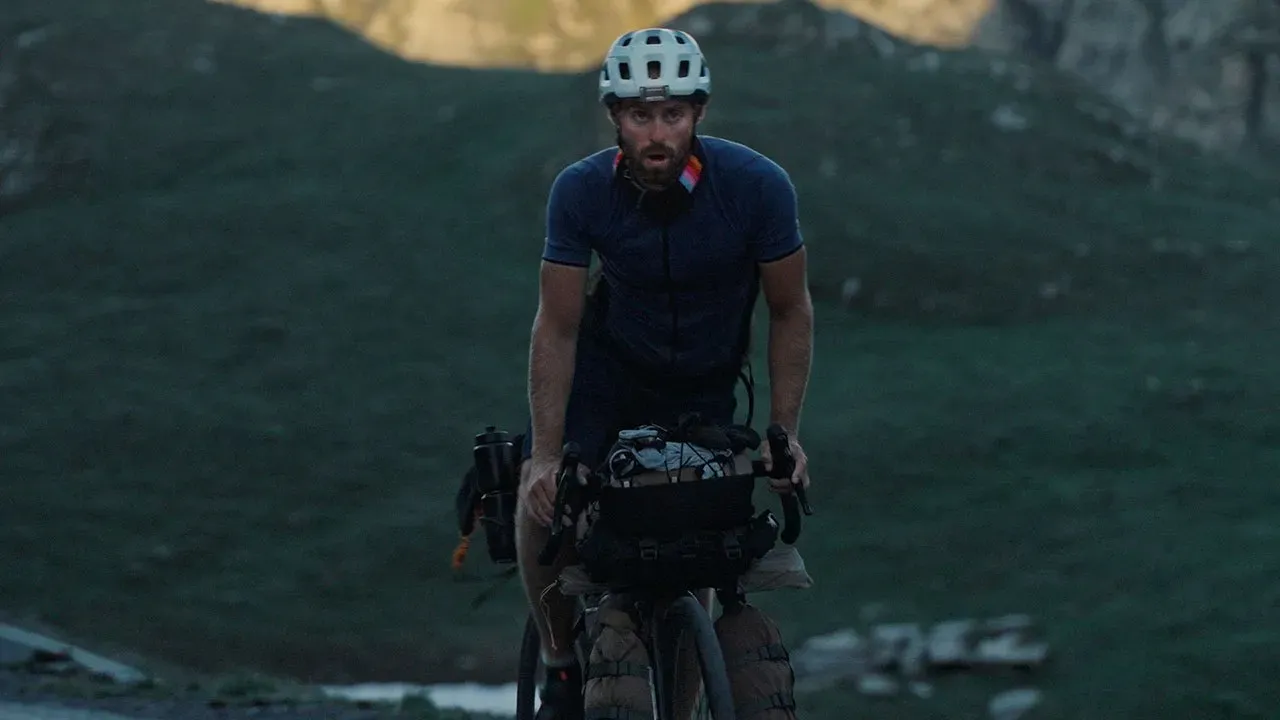
Maximilian Schnell abandoned his job and life in Paris to embark on a nomadic lifestyle on his bicycle several years ago. This decision has given him the freedom and adventure he craves. However, it also presents significant physical and mental challenges.
A documentary titled "Perfect Road follows Schnell's extreme journey as he navigates Europe's highest mountain passes. The film is directed by Danish cousins Adam and Christian Bonke. It not only chronicles Schnell's grueling experience but also serves as a thought-provoking exploration of modern life and a character study.
Schnell's lifestyle, one that involves constant movement on two wheels, pushes the boundaries of what many consider acceptable even in an era where digital nomadism is increasingly common. His relationship with his partner Nina raises questions about his priorities and the direction he wants to take in life.
The documentary Perfect Road showcases breathtaking mountain vistas and exhausting cycling days. It is also likely to prompt viewers to introspect on their own life choices and aspirations. The film's unique blend of adventure, self-discovery, and personal growth makes it an engaging watch.
Elk Film and Dogwoof co-produced Perfect Road, with a team that includes producers Andreas Dalsgaard, Anna Godas, Oli Harbottle, and Miriam Nørgaard. Jonatan Mose served as the cinematographer, while Martin Anthon handled editing duties.
After its world premiere at the Zurich Film Festival, Perfect Road has been screened at the 70th edition of the BFI London Film Festival. The Hollywood Reporter spoke to the Bonke brothers in London and also caught up with Schnell via Zoom from Bolzano.
Schnell shared his thoughts on the documentary project, stating that he had planned his challenge for several months before agreeing to participate in the film. He emphasized the importance of adhering to his original schedule, which he had made clear to the filmmakers from the start.
To capture Schnell's grueling challenges without disrupting his experience, the filmmakers had to develop a strategy that would allow them to document his journey without interfering.
The cyclist himself made it clear what he expected from the documentary: I'm in my challenge, and I live my life," he said. He wanted no scripted scenes or reenactments, only genuine footage of him living through his experiences.
As a result, the filmmakers had to adapt to Schnell's needs, filming on their own schedule without relying on him to repeat specific scenes. This approach allowed them to capture authentic moments from his journey.
The documentary team also embarked on an adventure of their own, spending three months living in a campervan and capturing footage of technology, nature, and the winding roads that Schnell traversed.
During this time, they initially planned to have multiple cinematographers, but circumstances changed when one DP's girlfriend kicked him out. He ended up completing all three months on his own, much to the team's surprise.
The DP's experience was not without its personal benefits: he returned from the trip with a new partner and even welcomed twins into their family.
Planning was crucial for the successful completion of Schnell's grueling challenges, and Max's meticulous approach to mapping and planning proved invaluable. The filmmakers were able to anticipate Schnell's daily movements, including which peaks he would climb, allowing them to plan their own logistics accordingly.
Despite some unavoidable delays caused by inclement weather, Schnell remained remarkably consistent in sticking to his original plan. His ability to adapt to changing circumstances was a testament to the thoroughness of his preparations and his own resilience.
The filmmakers had initially considered offering assistance to Schnell, such as providing spare tires or other equipment, but he firmly declined their offers. He wanted to maintain his independence throughout the journey, avoiding any perceived advantages that might compromise his experience.
Schnell's commitment to self-sufficiency was evident in his refusal of food and shelter from the filmmakers on multiple occasions. Despite the temptation to accept their hospitality, he preferred to rely solely on himself, valuing the freedom and solitude that came with it.
The filmmakers were struck by Schnell's ability to balance his physical challenges with a deep appreciation for nature. However, as the days passed, they began to notice that he was growing increasingly tired of being filmed.
Schnell's core values, including a strong emphasis on solitude, were put to the test by the constant presence of the camera crew. Initially thrilled at the prospect of having his journey documented, he soon grew weary of the intrusion into his private space.
As the filmmakers navigated Schnell's needs and boundaries, they found themselves caught between capturing the essence of his experience while also respecting his desire for solitude.
As the filmmakers followed Schnell on his journey, they had to be mindful of not intruding too much into his personal space.
The team made an effort to let Schnell get used to their presence and eventually become desensitized to the camera, allowing them to capture his true nature.
However, being a documentary crew, they were also aware that they needed to be prepared for unexpected moments or encounters that could add depth to the story.
They anticipated that following Schnell on his daily routine would get repetitive and boring, so they focused on capturing special moments when he interacted with people, met friends, or had conversations.
The camera presence did seem to have an impact on Schnell, as Christian Bonke noted that it made him reflect on his life choices.
Schnell's contemplation of whether he could continue living in solitude for the rest of his life was a recurring theme that lingered in the back of his mind, eventually leading him to live like this for nearly 10 years.
Since the film shoot three years ago, Max Schnell's approach to challenging himself has undergone significant changes.
The cyclist now finds himself at a crossroads, unsure whether he can continue living in solitude or if it's time to settle down for good. This introspection is not new to him, but rather a recurring theme that has been lingering in the back of his mind over the past decade.
Schnell's recent experiences have made him realize that settling somewhere can be just as challenging as tackling a grueling mountain route. He now creates backpacking events, which presents a different kind of challenge for him.
When asked about planning any new big mountain challenges, Schnell reveals that he hasn't come across anything exciting enough to motivate him to take on such an endeavor in the past three years.
The idea of settling down has become increasingly appealing to him, and he's found a base camp in Bolzano where he can call home. This newfound sense of stability is a far cry from his previous life on the road.
While some might see Schnell as a potential star for another film or series, he's quick to rule out any future documentary appearances. However, he leaves it up to viewers of Perfect Road what they want to take away from the film experience.
The filmmaker duo behind the documentary has taken something special away from their time spent with Schnell in the campervan. They often reminisce about those carefree days and the sense of freedom that came with living off the grid.
For the filmmakers, Max's story serves as a poignant reminder of the allure of trading comfort for freedom. By sharing his journey, they aim to inspire viewers to consider what that price might be and whether it's something they're willing to pay.
Viewers are left to ponder the true cost of pursuing a life on the road, as the film raises questions about the extent to which one should push for personal freedom.
The documentary's narrative arc is intentionally designed to inspire introspection and self-reflection in its audience, allowing them to weigh the benefits against the potential drawbacks.
Facts based on reporting originally published by The Hollywood Reporter.
You may republish this story, in full or in part, if you credit Noti Group and link to it (licence CC BY 4.0). Photos are not included.